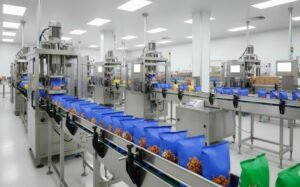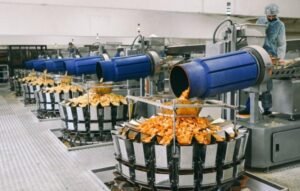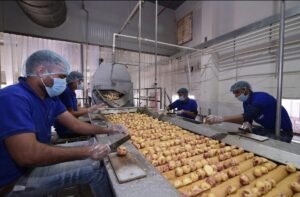
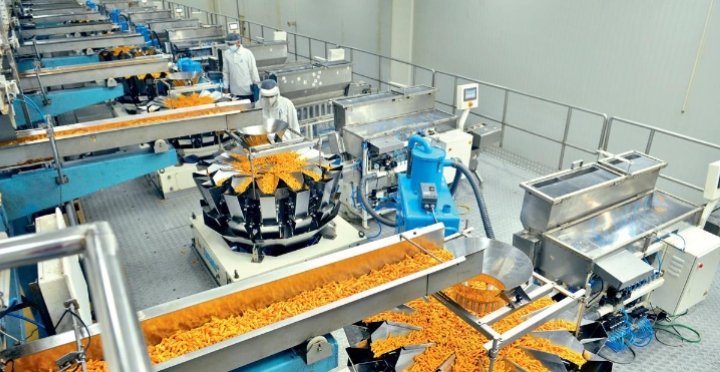
India’s snack manufacturing industry has become one of the fastest growing segments of the country’s food processing sector. Thousands of factories produce potato chips, banana chips, namkeen, popcorn, roasted nuts, extruded snacks, biscuits, and many regional specialties for domestic and international markets. Behind this large scale production is a significant demand for electricity and thermal energy. Frying systems, ovens, compressors, refrigeration units, packaging machines, air handling systems, conveyors, lighting, and warehouses all consume considerable amounts of energy every day. As production expands, improving energy governance has become an important policy objective for both industrial competitiveness and environmental sustainability.
Energy costs represent a major operating expense for snack manufacturers. Even small improvements in electricity consumption can produce substantial financial savings over time. However, many factories continue to operate equipment that consumes more power than necessary due to outdated technology, inadequate maintenance, inefficient production scheduling, or poor monitoring systems. A governance framework focused on energy efficiency can help manufacturers improve productivity while reducing environmental impact.
A national policy could require medium and large snack manufacturing facilities to establish digital energy management systems. Smart electricity meters would monitor the power consumption of every major production process, including frying equipment, ovens, compressors, packaging lines, refrigeration systems, lighting, and utility services. Instead of measuring total factory consumption alone, manufacturers would gain detailed information about the energy used by each production activity.
The collected information could be uploaded automatically into secure digital reporting platforms. Regulatory agencies could review energy performance indicators without requiring frequent physical inspections. Artificial intelligence could analyze trends, identify unusual consumption patterns, and recommend areas where efficiency improvements are possible. Such data driven governance would improve industrial productivity while reducing unnecessary regulatory burdens.
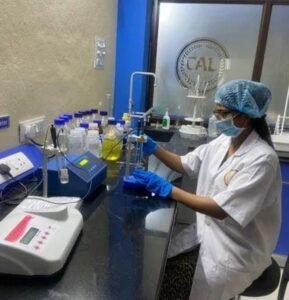
Energy audits should become an important part of this framework. Certified auditors could periodically evaluate manufacturing facilities to identify inefficient motors, oversized compressors, heat losses, poor insulation, compressed air leaks, excessive idle running, and outdated production equipment. Audit findings would help manufacturers prioritize investments that deliver measurable energy savings.
Heat recovery offers another opportunity for governance. Large quantities of heat generated during frying and baking are often released into the environment without being utilized. Policies could encourage manufacturers to recover waste heat for water heating, space heating, ingredient preparation, or other production processes. Government incentives for waste heat recovery systems would improve overall energy utilization while reducing fuel consumption.
Renewable energy integration should also receive policy attention. Many snack manufacturing plants have large rooftop areas suitable for solar power generation. Governance mechanisms could encourage factories to install solar photovoltaic systems, battery storage, and smart energy management technologies that reduce dependence on conventional electricity sources. Financial incentives, accelerated approvals, and simplified grid connections would support wider adoption.
Production scheduling can also influence energy efficiency. Digital manufacturing systems can optimize machine operation to reduce peak electricity demand and improve equipment utilization. Governance guidelines could encourage manufacturers to adopt production planning software that minimizes idle equipment operation while balancing workforce efficiency and customer demand.
Water and energy governance are closely connected. Efficient pumps, heat exchangers, refrigeration systems, and cleaning processes reduce both electricity and water consumption. Government standards promoting integrated resource management would improve environmental performance across the entire manufacturing process rather than addressing individual utilities separately.
Small and medium enterprises require targeted support to participate in energy efficiency programs. Many regional snack manufacturers lack access to technical expertise and financial resources needed for equipment modernization. Government schemes offering subsidized energy audits, low interest loans, technical consulting, and training programs would help these businesses improve competitiveness while reducing operational costs.
Benchmarking can further strengthen governance. Manufacturers could voluntarily compare their energy performance with industry averages for similar product categories. Anonymous benchmarking reports would help companies identify opportunities for improvement without revealing commercially sensitive information. Recognition programs for high performing factories could encourage continuous innovation throughout the industry.
Workforce training remains essential for successful implementation. Machine operators, maintenance engineers, production managers, and facility supervisors should receive regular education on efficient equipment operation, preventive maintenance, energy monitoring, and digital reporting systems. Well trained employees often identify practical improvements that reduce waste without requiring major capital investments.
Research institutions can contribute by developing new frying technologies, efficient heating systems, advanced insulation materials, intelligent process controls, and low energy packaging equipment. Collaboration between universities, equipment manufacturers, and snack producers can accelerate innovation while supporting India’s broader industrial development goals.
Export competitiveness also benefits from energy governance. International buyers increasingly evaluate manufacturers based on sustainability performance alongside product quality. Companies demonstrating strong energy management practices may gain better access to environmentally conscious global markets while improving their corporate reputation.
Consumer awareness is gradually influencing industrial priorities as well. Many customers prefer products manufactured using environmentally responsible practices. Transparent reporting of sustainability achievements, including energy efficiency improvements, can strengthen consumer confidence while encouraging greater corporate accountability.
India’s snack manufacturing industry will continue to expand as demand grows across urban and rural markets. This growth should be supported by governance systems that encourage efficient resource utilization rather than increasing energy consumption unnecessarily. A comprehensive framework combining digital monitoring, energy audits, renewable energy integration, workforce training, technological innovation, and evidence based regulation can strengthen industrial competitiveness while supporting national sustainability objectives. By making energy efficiency a central component of industrial governance, India can build a snack manufacturing sector that is productive, environmentally responsible, and prepared for the future.