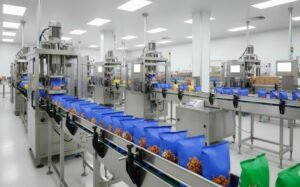

India is one of the world’s largest producers and consumers of packaged snacks. Products such as potato chips, banana chips, namkeen, bhujia, murukku, sev, chakli, fried peanuts, and numerous regional specialties reach millions of consumers every day. Behind every packet of snacks is a manufacturing process that depends heavily on edible oil. The quality of this oil directly influences the taste, texture, shelf life, nutritional value, and safety of the final product. As the snack industry continues to expand across domestic and international markets, governance of edible oil quality has become an increasingly important public policy issue.
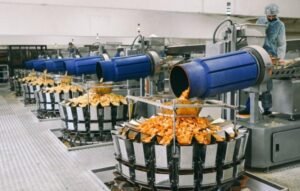
Most fried snacks are produced using large industrial fryers that operate continuously throughout the day. During this process, edible oil is exposed to high temperatures for extended periods. If the oil is not replaced at appropriate intervals or is maintained at incorrect temperatures, it begins to degrade. Repeated heating causes chemical changes that reduce oil quality and may affect the safety of the finished food product. Effective governance should therefore ensure that every manufacturer follows scientifically established standards for oil management.
A national governance framework dedicated to edible oil quality could establish uniform operating procedures for all snack manufacturers. Every production facility could be required to maintain digital records of oil procurement, storage conditions, frying temperatures, filtration schedules, replacement intervals, and laboratory testing results. These records would create a transparent system that allows both manufacturers and regulators to monitor compliance throughout the production process.
Technology can significantly strengthen this governance model. Modern frying equipment can be equipped with digital sensors that continuously monitor oil temperature and operating conditions. Advanced instruments are also capable of measuring indicators such as Total Polar Compounds, oxidation levels, viscosity, moisture content, and degradation rates. Instead of relying only on manual inspection, manufacturers could automatically record these values throughout each production cycle. Such real time monitoring would enable factory managers to identify problems before product quality is affected.
The collected information could be uploaded to secure digital compliance platforms operated by food safety authorities. Regulatory agencies would then have access to production records without requiring constant physical inspections. Artificial intelligence could analyze incoming data to identify unusual operating patterns, sudden quality changes, or repeated compliance failures. This risk based approach would allow regulators to focus inspections on facilities that demonstrate higher levels of concern while reducing unnecessary visits to consistently compliant manufacturers.
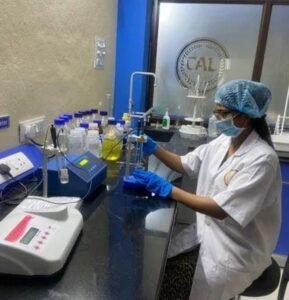
Laboratory testing should remain an essential component of governance. Accredited laboratories could periodically analyze edible oil samples collected directly from manufacturing facilities as well as finished products obtained from retail markets. Independent verification ensures that digital records accurately reflect actual production conditions. Testing could include measurements of free fatty acids, peroxide values, oxidation products, contaminants, and other internationally accepted quality parameters.
Procurement governance is equally important. Snack manufacturers purchase edible oil from numerous suppliers across India. Regulatory systems could require complete traceability for every shipment received by factories. Digital records would identify the producer, refinery, batch number, transportation history, and quality certification associated with every delivery. If quality concerns arise at any stage, affected products could be quickly traced back to the original supplier, reducing the scale of product recalls and protecting consumers more effectively.
The governance framework should also encourage preventive maintenance of frying equipment. Poorly maintained equipment can cause uneven heating, excessive oil degradation, and inconsistent product quality. Manufacturers could be required to maintain digital maintenance schedules for fryers, filtration systems, heating elements, pumps, and storage tanks. Regular inspections by certified engineers would improve operational reliability while reducing safety risks within production facilities.
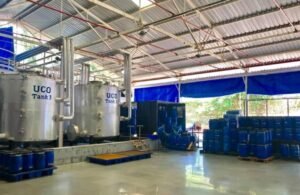
Environmental governance offers another important opportunity. Large snack manufacturers generate significant quantities of used cooking oil. Improper disposal can create environmental pollution and public health risks if degraded oil reenters the food supply chain through unauthorized channels. Government regulations could require manufacturers to transfer used oil only to licensed recycling companies or biodiesel producers. Digital documentation of collection, transportation, and recycling would ensure complete accountability from factory to final disposal.
Certification programs can further strengthen compliance. Manufacturers that consistently maintain excellent edible oil quality could receive government recognized quality ratings. These certifications may be displayed on product packaging, providing consumers with greater confidence while rewarding companies that invest in high operational standards. Such recognition would encourage healthy competition throughout the industry and motivate continuous improvement.
Small and medium enterprises deserve particular attention within this governance framework. Many regional snack producers operate with limited financial resources and may find advanced monitoring technology difficult to afford. Government support programs could provide subsidized testing equipment, affordable digital record keeping systems, technical training, and financial incentives for compliance. Ensuring that smaller manufacturers participate in quality improvement initiatives would strengthen the industry as a whole rather than benefiting only large corporations.
Consumer awareness also plays an important role in effective governance. Digital QR codes printed on snack packaging could provide access to manufacturing dates, production locations, edible oil quality certifications, laboratory testing information, and regulatory approvals. Greater transparency enables consumers to make informed purchasing decisions while encouraging manufacturers to maintain consistently high standards.
Research institutions and universities can contribute valuable scientific expertise by studying oil degradation under different production conditions. Their findings can help regulators establish evidence based standards that reflect Indian manufacturing practices and locally used edible oils. Continuous research also supports innovation in frying technologies, filtration systems, and healthier production methods that improve both food quality and operational efficiency.
Export competitiveness represents another major benefit of stronger governance. International food markets increasingly require detailed documentation of manufacturing practices and quality assurance systems. Countries importing packaged snacks often demand proof that edible oil quality meets internationally accepted standards. A robust governance framework would strengthen India’s position as a trusted supplier while helping manufacturers access premium global markets.
Training programs should become mandatory across the industry. Machine operators, quality control personnel, supervisors, maintenance engineers, and factory managers all require updated knowledge of edible oil management, food safety regulations, digital monitoring systems, and laboratory testing procedures. Regular certification and continuing education would help maintain professional standards throughout the workforce.
The future of India’s snack manufacturing industry depends not only on increasing production but also on strengthening consumer trust. High quality edible oil is fundamental to producing safe, nutritious, and reliable food products. A comprehensive governance framework combining digital technology, laboratory verification, transparent supply chains, environmental responsibility, industry certification, workforce training, and scientific research would significantly improve quality assurance across the sector.
As India’s food processing industry continues to expand, smart governance of edible oil quality can become a model for modern food regulation. By integrating technology with effective public policy, the country can protect public health, enhance industrial competitiveness, promote environmental sustainability, strengthen export opportunities, and ensure that every packet of snacks reaching consumers reflects the highest standards of safety and quality.