
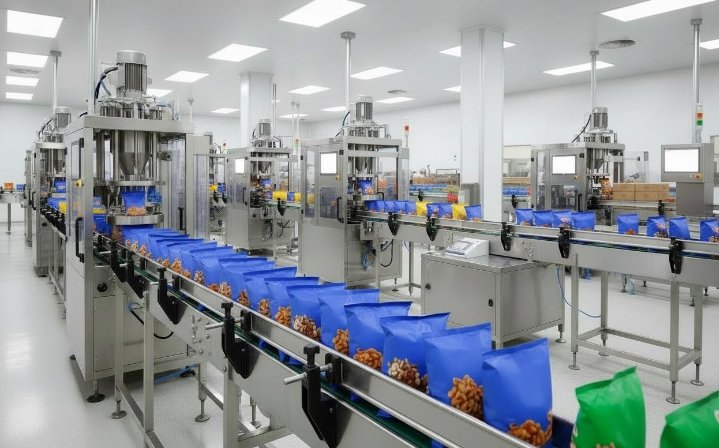
India’s snack manufacturing industry produces billions of packets every year, supplying potato chips, namkeen, banana chips, popcorn, roasted nuts, extruded snacks, biscuits, and numerous regional products to consumers across the country. While this growth has strengthened the food processing sector and created employment, it has also generated a significant amount of packaging waste. Most snack products are packed in multilayer plastic materials that protect freshness and extend shelf life but are difficult to recycle. As production continues to increase, governance of packaging sustainability has become an important policy priority.
Packaging serves several essential purposes in snack manufacturing. It protects products from moisture, oxygen, sunlight, contamination, and physical damage during transportation and storage. High quality packaging extends product shelf life, preserves taste, and reduces food wastage. However, once the snack is consumed, the packaging often becomes waste that enters landfills, drainage systems, rivers, and coastal environments. Governance must therefore balance food safety with environmental responsibility.
A national governance framework could establish progressive sustainability standards for snack packaging manufacturers. Instead of immediately banning existing materials, the government could introduce phased targets for increasing recyclable, biodegradable, compostable, or mono material packaging. Such a gradual transition would allow manufacturers to redesign products, upgrade machinery, and develop new supply chains without disrupting production.
Digital governance could strengthen implementation. Every packaging batch supplied to snack manufacturers could receive a unique digital identification number. Manufacturers would maintain electronic records identifying packaging suppliers, material composition, recycled content, production dates, and quality certifications. These records would improve traceability while allowing regulators to monitor compliance more efficiently.
Packaging manufacturers could also be required to certify that their materials comply with food safety standards while meeting environmental performance criteria. Independent laboratories would verify barrier properties, durability, migration limits, recyclability, and chemical safety. Digital certificates stored within national compliance systems would simplify inspections while reducing paperwork.
Extended Producer Responsibility can become a central component of governance. Under such a framework, snack manufacturers would share responsibility for collecting and recycling the packaging they introduce into the market. Companies could meet collection targets individually or through approved recycling organizations. Digital reporting systems would track packaging volumes produced, collected, recycled, and recovered each year, creating measurable environmental accountability.
Technology offers additional opportunities. QR codes printed on snack packets could inform consumers about proper disposal methods, nearby recycling facilities, material composition, and recycling rates achieved by the manufacturer. Such transparency encourages responsible consumer behavior while improving public participation in waste management.
Local governments can strengthen governance by integrating snack packaging collection into municipal waste management systems. Dedicated collection points at supermarkets, schools, shopping centers, and public institutions would improve recycling rates. Digital mapping applications could help consumers locate the nearest collection centers while allowing authorities to monitor collection efficiency.
Innovation should also receive policy support. Government grants, tax incentives, and research partnerships can encourage universities, startups, and packaging companies to develop environmentally friendly materials suitable for India’s climate and food industry. New materials based on agricultural residues, plant fibers, biodegradable polymers, or advanced recyclable films could significantly reduce environmental impact while maintaining food quality.
Small and medium snack manufacturers often face financial challenges when adopting sustainable packaging technologies. Governance should therefore include technical assistance, shared testing facilities, subsidized certification programs, and financial incentives that enable smaller businesses to participate in sustainability initiatives without excessive cost burdens.
Artificial intelligence can improve regulatory oversight by analyzing digital compliance reports, recycling performance, inspection records, and waste collection data. Authorities can identify regions with poor recycling performance, manufacturers requiring additional guidance, or packaging materials that consistently fail environmental standards. Evidence based policymaking improves resource allocation while strengthening long term environmental outcomes.
Consumer education remains equally important. Public campaigns explaining the importance of proper disposal, recycling, and responsible consumption can increase participation in waste management systems. Schools, colleges, community organizations, and digital media platforms can all contribute to building environmental awareness among future consumers.
International markets are increasingly demanding environmentally responsible packaging. Global retailers and food distributors often evaluate sustainability performance before selecting suppliers. Indian snack manufacturers that adopt advanced packaging governance systems may strengthen export competitiveness while meeting evolving environmental expectations in overseas markets.
Research institutions can continuously evaluate new packaging technologies, recycling methods, consumer behavior, and environmental impacts. Their findings will enable policymakers to refine regulations according to scientific evidence while ensuring that governance keeps pace with technological innovation.
The future growth of India’s snack manufacturing industry should not come at the expense of environmental sustainability. A comprehensive governance framework for sustainable packaging can reduce plastic pollution, improve recycling infrastructure, encourage industrial innovation, strengthen consumer confidence, support export opportunities, and promote responsible manufacturing. By combining digital technology, transparent regulation, scientific research, industry collaboration, and public participation, India can build a snack packaging ecosystem that protects both food quality and the environment for future generations.