
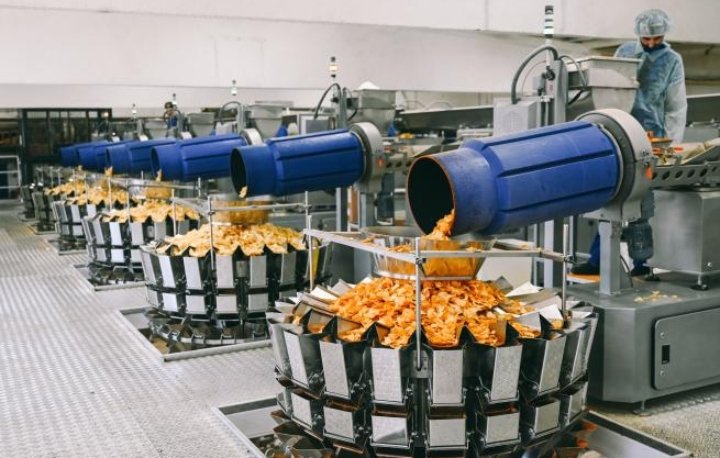
India’s snack industry has grown into one of the country’s most dynamic food manufacturing sectors. From traditional namkeen and banana chips to packaged potato chips, roasted nuts, millet snacks, and baked products, the industry serves millions of consumers every day. Rapid urbanization, changing lifestyles, rising disposable incomes, and the expansion of organized retail have increased the demand for packaged snacks across urban and rural markets. As production volumes continue to rise, governance has become an important factor in ensuring that consumers receive safe, high quality, and authentic food products.
One of the most significant governance opportunities in this industry is the development of a comprehensive food traceability system. Traceability refers to the ability to monitor every stage of a product’s journey from the farm where raw materials are produced to the manufacturing facility, distribution network, retail outlet, and finally the consumer. A strong traceability framework improves food safety, increases transparency, strengthens regulatory oversight, and builds greater public confidence in packaged food products.
The Indian snack industry depends on a large and interconnected supply chain. Potatoes may come from one state, spices from another, edible oil from a different region, and packaging materials from multiple suppliers. These ingredients are transported to manufacturing plants where they are processed, packaged, stored, and shipped across the country. With such a complex network, identifying the source of a quality problem can become difficult if proper records are not maintained. Governance systems can help address this challenge by ensuring that every stage of production is digitally documented.
Digital technology offers new possibilities for food governance. Manufacturers can assign unique identification codes to every batch of raw materials received at the factory. Production records can capture processing dates, equipment used, employee shifts, laboratory test results, and packaging information. Once products leave the factory, logistics companies can record transportation details until the products reach distributors and retailers. If any safety issue is identified, authorities can quickly trace the affected products and remove them from the market while allowing unaffected batches to remain available.
Consumers also benefit from greater transparency. A simple QR code printed on snack packets can provide information about manufacturing dates, expiry dates, quality certifications, nutritional information, production facilities, and ingredient sources. Such transparency encourages companies to maintain higher standards because consumers can directly verify product information. As consumer awareness grows, transparent companies may gain a competitive advantage in the marketplace.
Food safety regulators can also strengthen governance through integrated digital platforms. Inspection reports, laboratory testing results, licensing information, and compliance records can be maintained in centralized databases that are accessible to authorized officials. Instead of relying entirely on manual paperwork, inspectors can conduct digital audits using mobile applications that instantly upload findings into national systems. This approach improves efficiency while reducing delays in regulatory decision making.
The introduction of predictive analytics can further improve governance. By analyzing inspection data collected over several years, authorities can identify factories that repeatedly violate safety standards, suppliers associated with contamination risks, or regions where particular quality problems occur more frequently. Such analysis allows regulators to allocate inspection resources more effectively while reducing unnecessary inspections for consistently compliant manufacturers.
Small and medium enterprises form a large portion of India’s snack manufacturing sector. Many of these businesses produce traditional regional snacks using family owned facilities. While they contribute significantly to employment and local economies, they often face challenges in adopting advanced digital systems due to financial limitations. Governance policies should therefore include financial assistance, subsidized software solutions, technical training, and simplified compliance procedures that help smaller businesses participate in modern traceability systems without excessive costs.
Export markets also benefit from stronger governance. International buyers increasingly expect detailed documentation regarding ingredient sourcing, manufacturing practices, quality assurance, and food safety compliance. A well established national traceability framework can improve India’s reputation as a reliable supplier of packaged snack products. This can increase exports while opening opportunities in premium international markets that demand high standards of transparency.
Environmental sustainability can also become part of governance reforms. Traceability systems can document whether ingredients are sourced from farms following sustainable agricultural practices, whether manufacturing plants reduce water consumption, and whether packaging materials are recyclable. Companies demonstrating responsible environmental performance may receive recognition through certification programs or government incentives. Such initiatives encourage sustainable production while meeting growing consumer interest in environmentally responsible products.
The use of blockchain technology has also attracted attention in food supply chain management. Blockchain creates secure digital records that are difficult to alter after information has been entered. Every transaction within the supply chain can be recorded in chronological order, providing regulators and manufacturers with reliable documentation. Although implementation costs remain relatively high, blockchain may become increasingly practical as digital infrastructure expands and technology becomes more affordable.
Training and education remain essential components of successful governance. Factory workers, quality control personnel, transport operators, warehouse managers, and retail distributors all play important roles in maintaining accurate records. Regular training programs can improve understanding of food safety regulations, digital documentation systems, hygiene practices, and quality assurance procedures. A well trained workforce strengthens compliance while reducing the likelihood of human error.
Consumers themselves can contribute to better governance by reporting quality concerns through digital complaint platforms. Mobile applications can allow customers to submit photographs, batch numbers, and descriptions of suspected product defects. Regulatory agencies can analyze complaints in real time and identify emerging issues before they become widespread. Such citizen participation improves responsiveness while encouraging greater accountability throughout the industry.
Collaboration between government agencies, food manufacturers, research institutions, technology providers, and consumer organizations is essential for building an effective governance framework. Standardized digital systems, common reporting formats, and interoperable databases enable different stakeholders to share information efficiently while protecting commercial confidentiality where necessary.
India’s snack industry is expected to continue expanding as consumer demand increases across domestic and international markets. Growth on this scale requires governance systems that match the complexity of modern food manufacturing. Comprehensive food traceability offers an opportunity to improve food safety, strengthen consumer confidence, support regulatory efficiency, enhance export competitiveness, and promote sustainable production practices. By investing in transparent and technology driven governance, India can build a snack manufacturing industry that is not only larger but also safer, more accountable, and better prepared for the evolving expectations of consumers around the world.