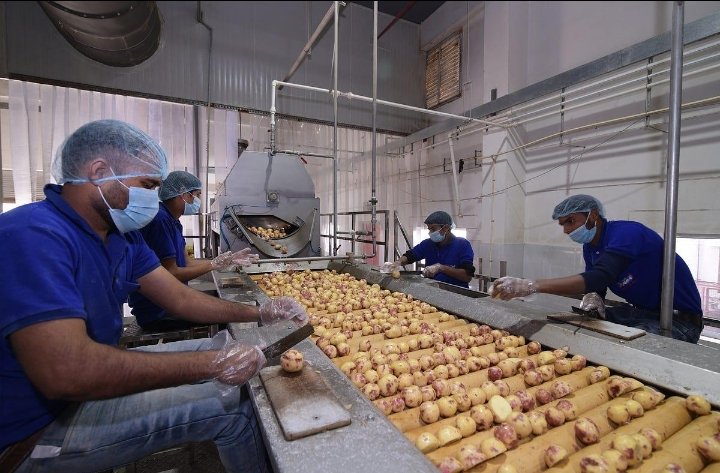
The potato chips industry is one of the largest segments of India’s packaged snack market. Every day, thousands of tonnes of potatoes move from farms to processing factories where they are cleaned, graded, sliced, fried, seasoned, and packaged. The quality of the final product depends heavily on the quality of the potatoes used. Differences in size, sugar content, moisture, storage conditions, and handling practices can significantly affect product quality, production efficiency, and food wastage. A dedicated governance framework for potato procurement could strengthen the industry’s productivity while supporting farmers and processors alike.
A national procurement governance policy could establish standardized grading systems for processing potatoes. Every batch delivered to a factory would be digitally classified based on parameters such as size, dry matter content, sugar levels, disease status, moisture content, and physical damage. These records would provide transparency for both farmers and manufacturers while creating a uniform quality benchmark across the industry.
Digital procurement platforms could connect registered farmers directly with processing companies. Every potato shipment would receive a digital identity containing farm location, harvesting date, storage conditions, transportation details, and laboratory quality reports. This traceability system would help manufacturers identify the source of raw materials while allowing farmers to demonstrate compliance with quality standards.
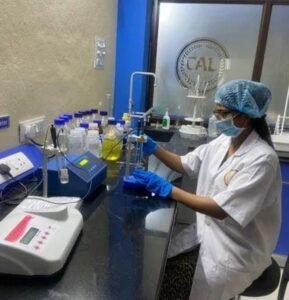
Government approved laboratories could periodically test potato samples for pesticide residues, disease infection, sugar content, and processing suitability. Independent testing would reduce disputes between farmers and manufacturers while ensuring fair pricing based on measurable quality parameters rather than subjective inspection.
Storage governance is equally important. Potatoes intended for chip production require carefully controlled storage conditions to maintain quality. Regulations could establish technical standards for cold storage facilities, ventilation systems, humidity control, and temperature monitoring. Digital sensors installed in storage facilities would continuously record environmental conditions and automatically alert operators if quality risks emerge.
Artificial intelligence could analyze procurement data across multiple seasons to identify regional variations in potato quality, disease outbreaks, storage losses, and transportation delays. Such information would help policymakers improve agricultural planning while supporting long term supply chain resilience.
Government agencies could also encourage contract farming under standardized digital agreements that clearly define quality expectations, delivery schedules, pricing formulas, and dispute resolution mechanisms. Transparent contracts would provide greater certainty for both growers and processors while reducing market volatility.
Small farmers often struggle to access large processing companies because of fragmented production and limited bargaining power. Farmer Producer Organizations could become important participants in the governance framework by aggregating produce, coordinating quality testing, negotiating contracts, and facilitating digital transactions. This would improve market access while strengthening rural incomes.
QR based procurement records could improve auditing and accountability. Every delivery entering a processing facility would be linked to digital quality certificates, inspection reports, laboratory results, and payment records. Regulators could verify compliance more efficiently while reducing paperwork and opportunities for fraud.
Research institutions could contribute by developing improved potato varieties specifically designed for chip manufacturing. Governance policies could support collaborative research on disease resistance, processing quality, climate resilience, and storage performance, ensuring that Indian farmers remain competitive as demand continues to grow.
The potato chips industry depends on a reliable supply of high quality raw materials. A governance framework focused on transparent procurement, scientific quality assessment, digital traceability, standardized storage, and farmer participation would improve industrial efficiency while strengthening agricultural value chains. By integrating technology with evidence based regulation, India can build a potato procurement system that benefits farmers, manufacturers, consumers, and the broader food processing economy.