
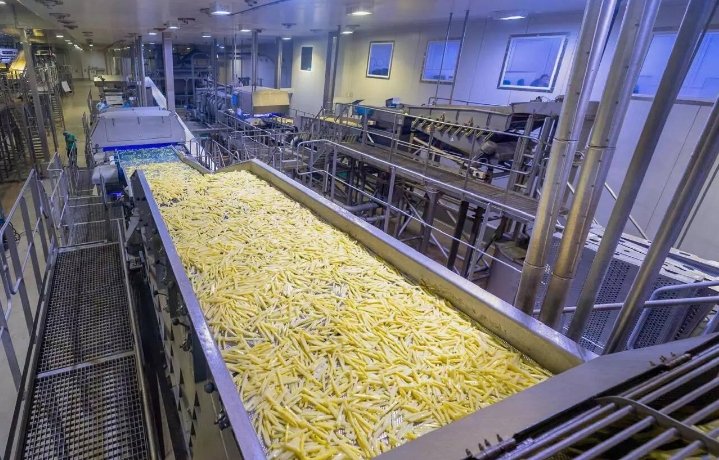
Frozen snacks such as samosas, spring rolls, nuggets, cutlets, kebabs, fries, and ready to cook Indian snacks are among the fastest growing segments of India’s food processing industry. Their quality depends entirely on maintaining the correct temperature from the manufacturing plant to the consumer’s freezer. A single break in the cold chain can reduce product quality, increase microbial growth, shorten shelf life, and create food safety risks. As the frozen snack market expands, governance of cold chain management deserves greater policy attention.
A national governance framework could require every shipment of frozen snacks to be monitored through digital temperature logging devices. These sensors would continuously record storage temperatures during production, warehousing, transportation, and retail display. The information would be automatically uploaded to a secure national compliance platform where regulators and manufacturers could verify whether products remained within approved temperature limits throughout their journey.
Every pallet and transport container could receive a digital identity linked to its production batch, manufacturing date, destination, and temperature history. If a refrigeration failure occurs during transport, the affected products could be immediately identified and isolated instead of recalling entire production batches. This would reduce food waste while improving consumer safety.
Government regulations could also establish minimum technical standards for refrigerated warehouses, transport vehicles, retail freezers, backup power systems, insulation quality, and maintenance schedules. Periodic digital inspections would verify compliance while reducing paperwork and improving transparency.
Artificial intelligence could analyze temperature records from thousands of shipments to identify logistics companies, transport routes, warehouses, or retail outlets where cold chain failures occur most frequently. Regulators could then focus inspections on high risk areas while rewarding consistently compliant operators with simplified regulatory procedures.
Small manufacturers entering the frozen snack market often lack access to modern refrigerated logistics. Government supported shared cold storage facilities and common distribution infrastructure could improve compliance while reducing costs for emerging businesses.
Consumers could also benefit from QR codes printed on frozen snack packaging. By scanning the code, they could view the manufacturing date, storage recommendations, distribution history, and confirmation that the product remained within approved temperature limits before reaching the retailer.
A comprehensive governance framework for cold chain management would strengthen food safety, reduce product losses, improve export competitiveness, encourage investment in modern logistics infrastructure, and increase consumer confidence in India’s rapidly growing frozen snack industry.