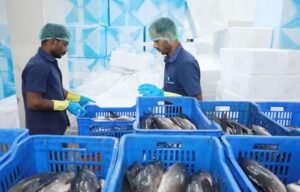
Electricity is one of the major operating expenses of cold-storage facilities. For small farmers, seafood traders and food-processing businesses, the cost of refrigeration can limit access to reliable storage and reduce profitability. Solar energy, thermal storage and intelligent energy management offer an opportunity to make refrigeration more affordable through shared infrastructure.
A solar-powered cold-storage cooperative would allow multiple producers and businesses to access refrigeration supported by a common renewable-energy system. Instead of requiring every participant to invest in individual equipment, a cooperative or infrastructure-service provider could install and manage the facility, allocating storage capacity and operating costs according to transparent rules.
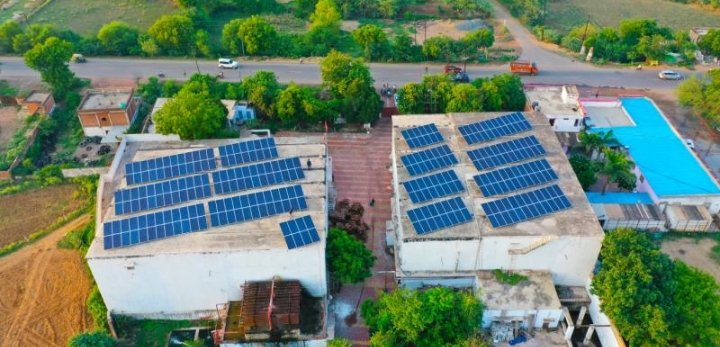
The system could combine rooftop solar panels, high-efficiency refrigeration equipment, thermal energy storage and digital monitoring. During periods of strong solar generation, the refrigeration system could increase cooling within its permitted operating range or charge a thermal storage system. The stored cooling capacity could then help maintain required temperatures when solar output falls, reducing dependence on grid electricity.
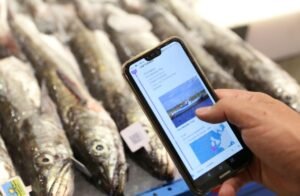
Industry 4.0 technologies would help coordinate these resources. Smart meters and IoT sensors could monitor electricity generation, consumption, room temperatures and equipment performance. Artificial intelligence could forecast solar output, storage demand and electricity prices, helping operators schedule refrigeration loads without compromising product quality. Digital dashboards could provide members with information about their energy costs, storage utilisation and the performance of shared assets.
The business model could generate revenue through storage charges, membership fees, energy-management services and contracts with producer organisations. A service provider could also operate the infrastructure on behalf of a cooperative, allowing producers to access the benefits of shared refrigeration without managing the technical system themselves.
Kerala offers a potential setting for pilot projects serving fisheries, horticulture and food distribution. A project could begin with a small group of producers and an existing cold-storage facility, assessing its refrigeration load, solar-generation potential, seasonal utilisation and available grid connection. Expansion should follow a detailed engineering and financial assessment rather than assuming that solar power alone will meet every cooling requirement.
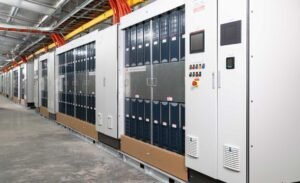
The system must maintain reliable refrigeration during cloudy periods, equipment failures and grid interruptions. Backup power, suitable thermal storage, temperature alarms and emergency operating procedures are therefore essential. Battery storage may be useful in some installations, but its cost should be compared with thermal storage and other options. Food safety must remain the priority when scheduling energy consumption.
A shared solar-powered cold-storage network could ultimately connect producer cooperatives, warehouses and food-processing businesses through a common digital energy-management platform. By combining renewable generation with efficient refrigeration and transparent cost allocation, the model could help smaller enterprises access infrastructure that would otherwise be expensive to operate independently.