
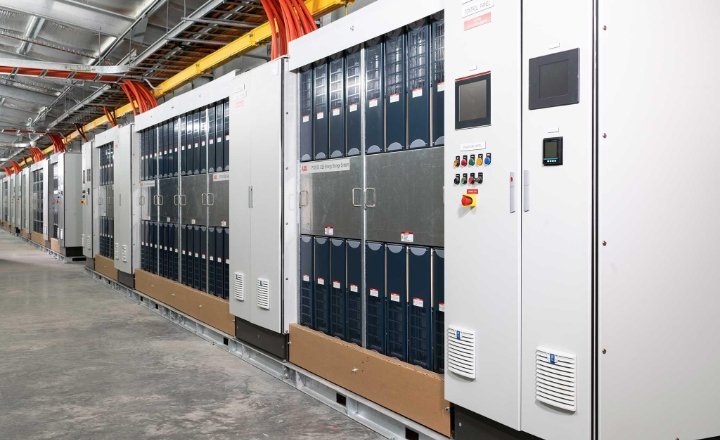
Battery storage is becoming an important component of modern electricity infrastructure, particularly as solar and wind power become more widely used. However, the cost of installing batteries can prevent small businesses, residential communities and local energy producers from accessing their full benefits. A shared battery infrastructure model, supported by digital tokens, could make storage capacity accessible without requiring every participant to own a separate system.
The concept involves creating digital units representing contractual access to a defined portion of a shared battery’s storage or discharge capacity. A small business might reserve a specified amount of energy for a particular period, while a solar producer could use the shared facility to store surplus electricity for later consumption, subject to the system’s technical capabilities and applicable electricity regulations.
A digital platform would coordinate reservations, track energy flows and allocate costs. Smart meters would measure electricity entering and leaving the battery, while battery-management systems would monitor state of charge, temperature, operating limits and battery health. Digital records could show each participant’s allocated capacity, actual usage, applicable charges and remaining entitlement.
Industry 4.0 technologies could improve the system’s performance. Artificial intelligence could forecast solar generation, electricity demand and charging requirements, helping operators schedule battery use efficiently. Predictive maintenance models could identify performance degradation, while automated controls could manage charging and discharging within approved operating limits. Where technically and commercially appropriate, the system could also coordinate with rooftop solar installations, commercial refrigeration and electric-vehicle charging.
The business model could generate revenue through storage-access fees, subscriptions, energy-management services and contracts with participating businesses or community organisations. A service provider could finance, install and operate the battery infrastructure, while customers purchase clearly defined storage services instead of investing in individual batteries.
Potential applications include industrial estates, commercial buildings, apartment communities, rural enterprises and clusters of small manufacturers. A pilot could begin with a single shared battery installation serving a limited group of commercial users. The project would first establish electricity demand patterns, suitable battery sizing, connection requirements, expected utilisation and a transparent method of allocating costs.
The token itself need not be a cryptocurrency or a freely traded financial asset. Initially, it could function as a digital booking credit or contractual entitlement within the platform. This would simplify the operating model and reduce unnecessary complexity. Any proposal involving electricity resale, peer-to-peer trading, transferable financial rights or participation in electricity markets would require separate assessment under applicable regulations.
Safety and accountability are essential. Battery systems require suitable fire protection, thermal management, electrical isolation, monitoring and emergency procedures. The platform must also account for conversion losses, degradation, charging limits and the possibility that requested capacity may not be available at every moment. Clear contractual terms should specify whether an entitlement guarantees power, energy, availability or merely a priority in scheduling.
The longer-term opportunity is to build a network of shared energy-storage assets coordinated through a common digital infrastructure layer. By combining measurable storage rights, intelligent energy management and transparent allocation, community battery tokens could help distribute the cost of energy infrastructure across multiple users and make shared storage more accessible to smaller enterprises.