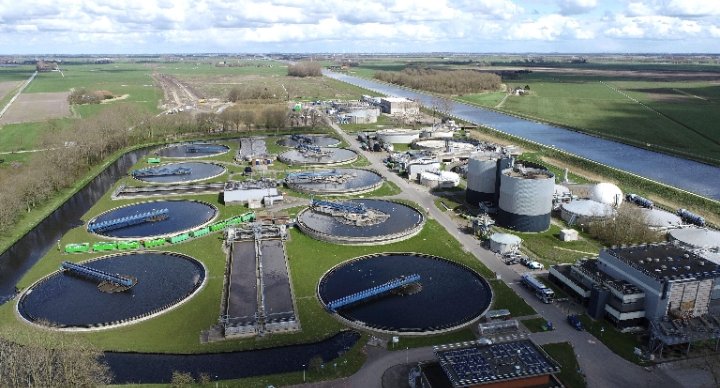
Water infrastructure is expensive to build, operate and maintain. Small manufacturers, commercial establishments and industrial clusters may struggle to finance treatment plants, recycling systems, storage reservoirs and distribution networks individually. At the same time, existing infrastructure may have unused treatment capacity or opportunities to recover and reuse wastewater. Digital infrastructure tokens could help coordinate access to these shared resources.
The concept involves creating digital units that represent clearly defined contractual entitlements to water-related services. A token could represent a specified volume of treated industrial water, a reserved treatment slot, access to wastewater processing capacity or a scheduled allocation from a shared storage facility. Each entitlement would be linked to measurable quantities, quality specifications, delivery conditions and applicable charges.
A digital platform would connect water suppliers, treatment facilities, industrial users and infrastructure operators. Participants could view available capacity, request allocations and monitor consumption. Flow meters, water-quality sensors and automated reporting systems would record deliveries, treatment performance and usage. Digital records could provide an auditable account of how shared infrastructure is used and how operating costs are distributed.
Industry 4.0 technologies could improve efficiency across the network. Artificial intelligence could forecast water demand, detect unusual consumption patterns and optimise treatment schedules. Sensors could identify leaks and monitor parameters such as pH, turbidity and conductivity, with appropriate laboratory testing for contaminants that require specialised analysis. Digital twins could simulate treatment-plant performance and evaluate the effects of changing demand or equipment availability.
The business opportunity extends beyond token issuance. A service provider could develop and operate the digital platform, install metering systems, coordinate infrastructure bookings and offer performance analytics. Revenue could come from software subscriptions, transaction fees, monitoring services and contracts with industrial estates or local infrastructure operators.
Potential applications include industrial parks, food-processing clusters, commercial buildings and facilities that can safely reuse treated wastewater. A pilot could focus on one industrial estate where several businesses have compatible non-potable water requirements. The first step would be to map water demand, existing treatment capacity, infrastructure constraints and the quality standards required by participating users.
The system must distinguish contractual access rights from ownership of water or permission to extract it. Water allocation, groundwater use, wastewater discharge and reuse are subject to applicable laws, permits and environmental safeguards. Tokens cannot independently establish legal rights to water, override allocation restrictions or guarantee that water is available when needed.
Quality assurance is equally important. Different uses require different treatment standards, and industrial water should not be supplied for drinking or other sensitive purposes without the necessary treatment, verification and regulatory compliance. The platform must document quality specifications, testing responsibilities, delivery failures and liability for non-compliance.
The token itself need not use blockchain technology. A conventional digital ledger may be sufficient to manage allocations, bookings and payments. More complex distributed-ledger systems would be justified only if independent organisations need shared records that cannot be adequately managed through simpler arrangements.
Over time, water infrastructure tokens could become part of a wider industrial resource-management platform, connecting water, energy, treatment capacity and recoverable materials. By making shared infrastructure measurable, bookable and accountable, the model could improve utilisation, support wastewater reuse and reduce the cost of accessing essential industrial services.