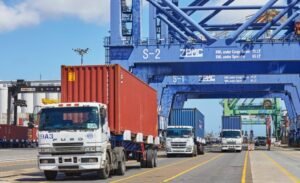
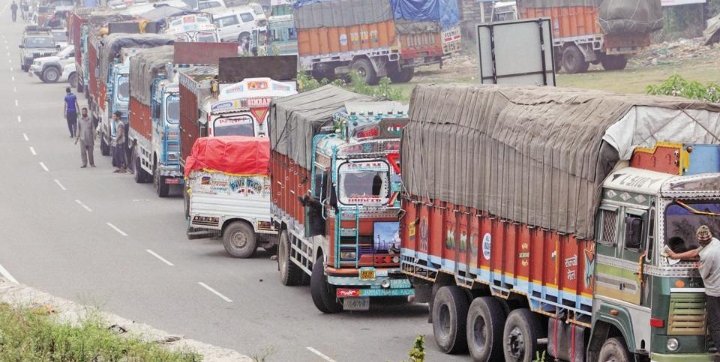
Transporting goods is expensive when trucks travel partially loaded or return without cargo. Small manufacturers, agricultural traders and local businesses often pay high transportation costs because they cannot fill an entire vehicle or coordinate shipments with other businesses. A digital platform built around shared logistics tokens could help convert unused freight capacity into a bookable commercial resource.
The concept involves creating digital credits representing defined transport entitlements, such as a pallet position on a scheduled route, a specified quantity of cargo capacity or a reserved delivery slot. Businesses could purchase these credits to access transportation services without hiring an entire truck. Transport operators could list available capacity and earn additional revenue from space that would otherwise remain unused.
A digital marketplace would match cargo requirements with available vehicles based on route, weight, volume, delivery deadlines, handling requirements and pricing. For example, several small manufacturers shipping goods along the same corridor could combine their consignments into one coordinated movement. Agricultural producers could also pool shipments to wholesale markets, provided their goods have compatible handling and delivery requirements.
Industry 4.0 technologies could improve coordination and transparency. GPS tracking would provide vehicle location and estimated arrival times, while digital freight records would document bookings, loading and delivery. AI-based optimisation could combine compatible shipments, minimise detours and improve vehicle utilisation. Electronic proof of delivery and automated billing could reduce administrative work and disputes.
The business model could generate revenue through booking commissions, subscriptions for transport operators, freight coordination fees and premium route-planning services. Additional revenue could come from cargo consolidation, packaging, temporary storage and integration with warehouse management systems.
The opportunity is particularly relevant to regional industrial clusters where many small businesses ship relatively modest quantities of goods. A pilot could begin with a few established transport operators and a defined corridor connecting manufacturers, wholesale markets and distribution centres. The initial service could focus on standard dry cargo before expanding into temperature-controlled goods or specialised freight.
Reliable execution would be essential. Cargo compatibility, insurance, vehicle compliance, delivery schedules, damage liability and payment settlement must be clearly defined. The platform would need to verify transport providers and establish procedures for delayed shipments, cancellations and disputes. Shared transport should never compromise required food-safety or hazardous-goods handling standards.
The tokens themselves need not be cryptocurrencies. They could operate as prepaid credits or digital records of contractual freight entitlements, redeemable under transparent terms. A conventional database may be sufficient initially, with more complex distributed-ledger technology considered only if it provides a measurable benefit across independent participants.
Over time, the platform could become a distributed freight operating system connecting manufacturers, warehouses, transport operators and buyers. By making unused vehicle capacity visible and bookable, shared logistics tokens could reduce avoidable empty journeys, improve transport economics and give smaller businesses access to a more coordinated freight network.