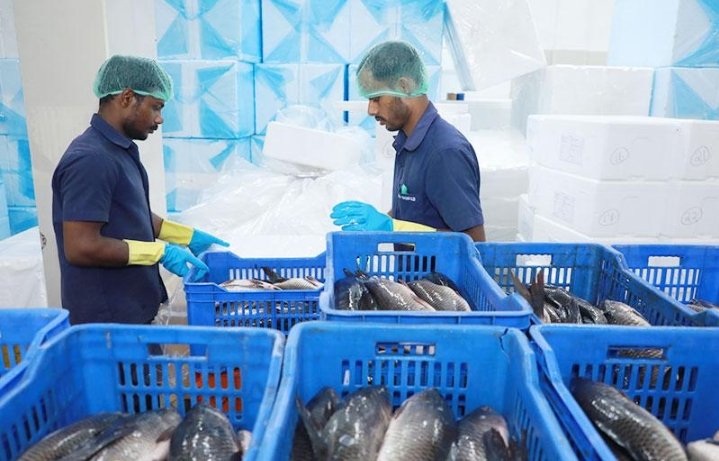
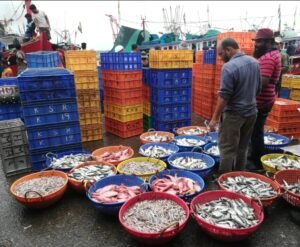
India is one of the world’s largest producers of fish and seafood, with millions of people depending on fisheries and aquaculture for their livelihoods. From Kerala and Tamil Nadu to Andhra Pradesh, Gujarat, Odisha and West Bengal, the fisheries sector supports coastal communities, inland farmers, exporters and processing industries. Yet a significant percentage of fish harvested every year loses value because of weaknesses in the cold chain. Delays in transportation, inadequate refrigeration, power failures and poor monitoring reduce product quality and lead to financial losses for fishermen and businesses alike.
Industry 4.0 offers an opportunity to modernize the fisheries cold chain through the integration of artificial intelligence, Internet of Things sensors, cloud computing and real time analytics. Instead of relying only on periodic manual inspections, every stage of the seafood supply chain can be continuously monitored and optimized.
A smart cold chain begins immediately after fish are landed or harvested. IoT sensors installed in ice boxes, refrigerated vehicles, cold storage facilities and processing plants continuously measure temperature, humidity and equipment performance. The collected information is transmitted to a centralized digital platform where operators can monitor conditions in real time.
Artificial intelligence can analyse this incoming data and identify patterns that indicate equipment failure or temperature fluctuations. Rather than discovering spoilage after products reach the market, operators receive instant alerts whenever refrigeration systems deviate from safe operating conditions. Maintenance teams can respond before the problem becomes serious, reducing waste and protecting product quality.
Cloud based dashboards allow fisheries departments, cooperatives and private companies to monitor multiple storage locations across different districts simultaneously. Managers can compare performance between facilities, identify recurring issues and improve operational efficiency using reliable data rather than assumptions.
Smart logistics also become possible under an Industry 4.0 framework. GPS enabled refrigerated trucks can transmit their location together with cargo temperature throughout the journey. If traffic delays occur or refrigeration systems begin to malfunction, dispatch centres can immediately coordinate corrective action. Route optimization algorithms can recommend faster transportation paths, reducing travel time and ensuring fresher products reach markets.
Artificial intelligence can also estimate the remaining shelf life of seafood based on transportation history and temperature exposure. Exporters can prioritize shipments that require faster delivery while directing products with longer shelf life to more distant markets. Such intelligent inventory management improves profitability and reduces unnecessary disposal of seafood.
Blockchain technology can complement the cold chain by recording temperature history from the point of harvest until retail delivery. Buyers, exporters and consumers gain confidence knowing that seafood has been maintained under proper conditions throughout the supply chain. This level of transparency strengthens India’s reputation in international export markets where food safety requirements continue to become more stringent.
Government agencies also benefit from digital cold chain infrastructure. Fisheries departments can monitor utilization of publicly funded cold storage facilities and identify regions requiring additional investment. Data collected from thousands of sensors can support evidence based planning instead of relying solely on surveys and periodic inspections.
Cooperative societies serving small fishermen can particularly benefit from shared smart cold storage facilities. Individual fishermen often cannot afford advanced refrigeration technology on their own. However, community owned digital infrastructure allows multiple users to share costs while maintaining high quality standards. Mobile applications can enable fishermen to reserve storage space, monitor product status and schedule transportation digitally.
Predictive maintenance represents another major advantage. Refrigeration equipment often fails unexpectedly because maintenance is performed only after breakdowns occur. Machine learning algorithms can detect subtle changes in compressor performance, electrical consumption or cooling efficiency that indicate future failures. Repairs can then be scheduled before expensive breakdowns interrupt operations.
Energy management also becomes more efficient through Industry 4.0. Smart energy monitoring systems optimize electricity consumption according to storage demand while integrating solar power and battery backup where feasible. This reduces operational costs and supports environmental sustainability, particularly in remote coastal regions where power reliability may be inconsistent.
Export competitiveness improves significantly through digital transformation. International buyers increasingly demand complete traceability, quality assurance and compliance with food safety regulations. Smart cold chain systems automatically generate digital records that simplify certification, auditing and regulatory compliance while reducing paperwork.
Training and skill development remain essential for successful implementation. Fishermen, cold storage operators, transport companies and fisheries officials require practical training to operate digital equipment and interpret analytical dashboards. Partnerships between government, industry and educational institutions can build the necessary workforce capabilities.
Cybersecurity should also receive attention as more equipment becomes connected through digital networks. Strong authentication systems, encrypted communication and secure cloud infrastructure protect sensitive operational information while ensuring uninterrupted service.
India has already demonstrated its ability to adopt digital technologies in banking, governance and agriculture. The fisheries sector presents another significant opportunity where Industry 4.0 can directly improve incomes, reduce food waste and strengthen export performance. Investments in smart cold chain infrastructure will not only benefit businesses but also improve food security and consumer confidence.
As seafood demand continues to grow both domestically and internationally, digital cold chain systems can become a cornerstone of India’s blue economy. By combining artificial intelligence, IoT sensors, predictive analytics and intelligent logistics, the country can build a fisheries supply chain that is more resilient, efficient and globally competitive while delivering greater value to millions of people whose livelihoods depend upon the sea.