India has invested heavily in dams, reservoirs, treatment plants and drinking water pipelines, yet much of the country’s water distribution system remains difficult to monitor in real time. Leaks, pressure losses, illegal connections, contamination and equipment failures are often detected only after they disrupt supply. A National Water Pipeline Intelligence Network could transform water governance by making the country’s pipeline infrastructure continuously observable and easier to manage.
Most urban and rural water systems rely on periodic inspections and customer complaints to identify problems. This reactive approach leads to significant water losses before maintenance begins. Smart sensors installed throughout the network can continuously measure pressure, flow rate, water quality, temperature and valve performance, allowing operators to identify abnormalities within minutes instead of days.
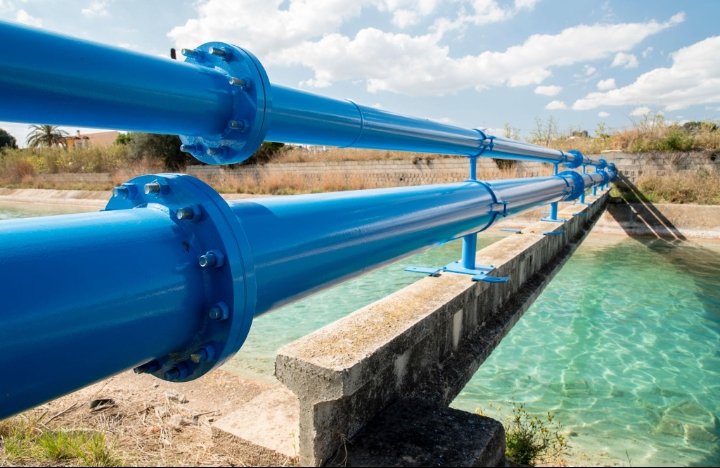
Every major pipeline could receive a digital identity linked to its construction details, material specifications, maintenance history, repair records and expected service life. Engineers would be able to monitor the complete operational history of each section through a centralized digital platform.
Artificial intelligence could analyse flow patterns across thousands of kilometres of pipelines. Small pressure changes that may appear insignificant in isolation could reveal developing leaks, equipment wear or unauthorized water extraction when viewed across the entire network. Early detection would reduce repair costs and prevent large-scale water losses.
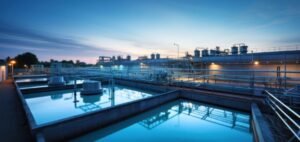
The network should integrate treatment plants, pumping stations, reservoirs and distribution systems into a single operational platform. Instead of managing each facility independently, operators could optimize water movement across entire regions according to demand, storage capacity and energy availability.
Water quality monitoring should become a core feature. Sensors measuring turbidity, pH, chlorine levels, conductivity and other indicators could provide continuous assurance that treated water remains within established safety standards as it travels through the distribution network.
Energy efficiency would also improve. Pumping stations consume significant amounts of electricity. By analysing demand patterns and pipeline performance, intelligent control systems could optimize pump operations, reducing energy consumption while maintaining stable water pressure throughout the network.
State governments could establish Regional Water Operations Centres that receive live information from pipelines across districts. Engineers would monitor system performance through digital dashboards showing pressure maps, reservoir levels, equipment status and maintenance alerts. Emergency response teams could be dispatched immediately when faults are detected.
Satellite observations and drone inspections could complement sensor networks. Areas showing unexplained moisture, land movement or vegetation changes above buried pipelines could be investigated before visible failures occur. Combining multiple data sources would improve infrastructure reliability.
India should encourage domestic manufacturing of smart valves, pressure sensors, flow meters, communication equipment and analytical software. Developing these technologies locally would reduce import dependence while supporting electronics and industrial automation industries.
Research institutions could use anonymized operational data to improve leak detection algorithms, hydraulic modelling and predictive maintenance systems. Continuous innovation would make the network more accurate and cost-effective over time.
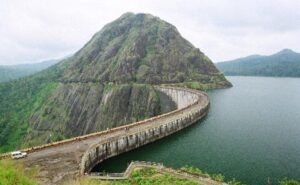
The platform could also support drought management. Real-time information on reservoir storage, pipeline capacity and regional demand would allow authorities to allocate water more efficiently during periods of scarcity. Data-driven decisions would improve resilience while reducing conflicts over water distribution.
Public dashboards could display non-sensitive information such as reservoir levels, scheduled maintenance, supply interruptions and conservation indicators. Greater transparency would help citizens understand local water conditions while encouraging more responsible consumption.
As India’s cities expand and industrial demand continues to grow, efficient management of water infrastructure will become increasingly important. A National Water Pipeline Intelligence Network would shift water governance from reactive maintenance to continuous operational management, reducing losses, improving service reliability and ensuring that one of the country’s most valuable resources is managed with modern digital technology.