
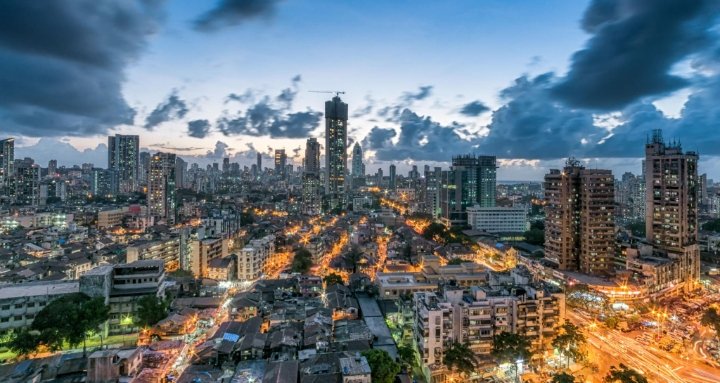
India is urbanising at an unprecedented pace. Millions of people migrate to towns and cities every year in search of employment, education and better opportunities. This rapid growth creates immense economic potential but also places significant pressure on transport, housing, water supply, waste management, public safety and healthcare. The next generation of urban development must therefore move beyond conventional infrastructure and embrace intelligent technologies that make cities more efficient, sustainable and citizen focused. Smart Cities 2.0 should become India’s blueprint for digitally empowered urban governance.
The first phase of India’s Smart Cities Mission demonstrated the value of technology in improving public services and infrastructure. Integrated command centres, intelligent traffic systems, digital governance platforms and public surveillance networks have already shown measurable benefits in several cities. The next phase should focus on creating connected urban ecosystems where artificial intelligence, the Internet of Things and real time data become part of everyday governance.
Artificial intelligence enables city administrators to move from reactive management to predictive governance. Instead of responding only after congestion, flooding or service failures occur, AI systems analyse historical and real time information to anticipate problems before they become critical. This allows authorities to deploy resources more effectively while improving the quality of urban services.
The Internet of Things forms the digital nervous system of a smart city. Sensors installed across roads, water pipelines, public transport systems, street lighting, waste collection vehicles and environmental monitoring stations continuously collect information. These devices provide city administrators with a live picture of urban conditions, allowing faster and more informed decision making.
Traffic management is one of the most visible applications of intelligent urban governance. AI powered traffic signals can adjust automatically according to vehicle movement, reducing congestion and travel time. Real time monitoring also allows emergency vehicles to receive priority routes while improving road safety and fuel efficiency.
Public transportation can become more reliable through digital technologies. GPS enabled buses, metro systems and public transport applications provide passengers with accurate arrival times and route information. AI based demand forecasting helps transport authorities optimise schedules while improving operational efficiency.
Water management remains a critical challenge for many Indian cities. Smart sensors can monitor water pressure, leakage, reservoir levels and consumption patterns throughout the distribution network. Early detection of leaks reduces water loss while ensuring more reliable supply for households and businesses.
Waste management can also be transformed through intelligent systems. Sensors placed inside public waste bins indicate when collection is required, allowing municipal authorities to optimise collection routes. Automated planning reduces fuel consumption, lowers operating costs and improves urban cleanliness.
Air quality monitoring should become a standard feature of every major city. Networks of environmental sensors continuously measure pollution levels, temperature, humidity and noise. Real time information allows authorities to issue public health advisories while developing targeted environmental policies.
Energy efficiency is another important objective. Smart street lighting systems automatically adjust brightness according to traffic conditions and daylight availability, reducing electricity consumption without compromising public safety. Intelligent energy management can also improve the performance of public buildings and utility networks.
Healthcare services benefit from connected urban infrastructure. Emergency response systems can identify the nearest available ambulance, optimise travel routes and coordinate with hospitals before patients arrive. Digital health platforms improve coordination during disease outbreaks and other public health emergencies.
Public safety can be strengthened through integrated command centres that combine information from traffic systems, emergency services, surveillance networks and disaster management agencies. Artificial intelligence assists operators by identifying unusual events and supporting faster emergency responses while ensuring that technology is used responsibly and within legal safeguards.
Urban planning becomes more effective when supported by real time data. Population growth, traffic movement, housing demand, infrastructure utilisation and environmental conditions can all be analysed to guide future development. Cities can make better long term investment decisions while reducing the risk of unplanned expansion.
Citizen participation should remain central to Smart Cities 2.0. Mobile applications and digital platforms allow residents to report civic issues, monitor service requests and provide feedback on municipal services. Transparent communication strengthens trust while encouraging collaborative urban governance.
Digital governance also simplifies access to municipal services. Property tax payments, building approvals, business licences, birth certificates and grievance redressal systems can all be delivered through integrated online platforms. Faster services reduce administrative burdens for both citizens and local governments.
Cybersecurity must remain a priority throughout urban digital transformation. Smart cities depend on interconnected digital systems that manage critical public infrastructure. Strong security measures, regular audits and resilient network architecture protect these systems from cyber threats while maintaining public confidence.
Urban technology should also remain inclusive. Digital services must be accessible to elderly citizens, people with disabilities and those with limited digital literacy. Multilingual interfaces, assisted service centres and user friendly applications ensure that technological progress benefits every section of society.
Public private partnerships will play an important role in implementing Smart Cities 2.0. Technology companies, infrastructure developers, research institutions and startups can contribute innovative solutions while municipal governments provide strategic direction and public oversight.
India’s expanding digital public infrastructure provides an excellent foundation for the next generation of smart cities. Digital identity systems, electronic payments, cloud computing and broadband connectivity can be integrated with urban management platforms to create seamless public services across every aspect of city life.
The future of Indian cities will depend not only on constructing new roads and buildings but also on managing them intelligently. Artificial intelligence, real time data and connected infrastructure allow cities to become more efficient, sustainable and resilient while improving the daily lives of millions of people.
Smart Cities 2.0 is not simply about introducing more technology. It is about creating urban environments where innovation supports better governance, stronger economic growth and higher quality of life. By embracing intelligent infrastructure and citizen centred digital services, India can build cities that are prepared for the challenges and opportunities of the decades ahead.