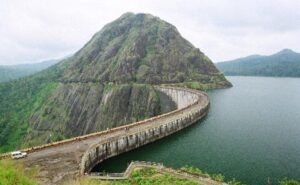
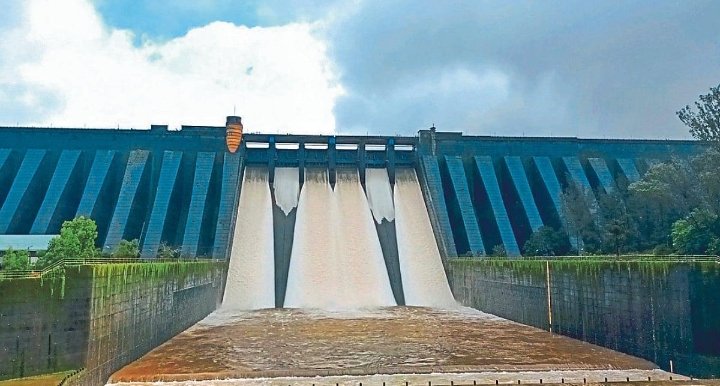
Monsoon rainfall is both a blessing and a challenge for many countries. Regions that depend on seasonal rains rely on reservoirs to store water for agriculture, drinking water, hydroelectric power generation, and industrial use. However, the same rainfall can quickly overwhelm rivers and reservoirs, creating floods that damage infrastructure, destroy crops, and threaten lives. Traditional reservoir operations often depend on historical data and manual decision making. While experienced engineers remain essential, modern weather variability has made reservoir management far more complex. Industry 4.0 technologies provide an opportunity to transform reservoir operations into intelligent, predictive, and highly coordinated systems.
Industry 4.0 combines artificial intelligence, the Internet of Things, cloud computing, digital twins, automation, and real time analytics into connected industrial environments. When these technologies are applied to reservoirs, operators gain continuous visibility into rainfall, inflow, water levels, downstream river conditions, electricity demand, and weather forecasts. Instead of reacting after water levels become dangerous, reservoir managers can anticipate future conditions and make better decisions before problems develop.
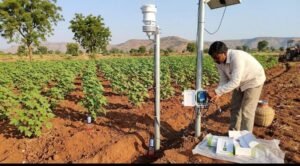
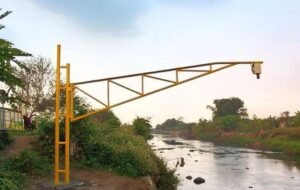
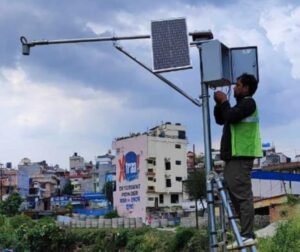
A smart reservoir begins with thousands of sensors distributed throughout the watershed. Rain gauges, river flow meters, reservoir level sensors, weather stations, soil moisture sensors, and satellite observations continuously collect environmental information. Every few seconds, these devices transmit data to centralized cloud platforms where artificial intelligence models analyze changing conditions. The system continuously compares incoming information with historical patterns, seasonal trends, and future forecasts.
Artificial intelligence can predict how much water will reach the reservoir over the next several hours or days. Instead of relying only on rainfall forecasts, machine learning models also consider soil saturation, river speeds, upstream rainfall intensity, reservoir storage capacity, evaporation rates, and groundwater conditions. This allows operators to estimate future water availability with much greater accuracy than conventional methods.
Digital twin technology adds another layer of intelligence. A digital twin is a virtual model of the entire reservoir system. Engineers can simulate different operating scenarios before opening spillway gates. They can observe how downstream river levels may change, whether nearby villages could experience flooding, how irrigation supplies might be affected, and how much electricity the hydropower station could generate under different operating conditions. These simulations allow safer and more informed decision making.
Automation further improves response times. Once artificial intelligence identifies an approaching flood risk, the system can recommend gradual water releases well before the reservoir reaches dangerous levels. Operators remain in control, but decision support systems provide scientifically optimized recommendations that reduce uncertainty. In emergency situations, automated gate control systems can execute approved release plans much faster than manual operations.
Cloud computing enables multiple agencies to work from the same real time information. Meteorological departments, disaster management authorities, irrigation departments, electricity utilities, local governments, and emergency responders all access identical dashboards. This shared situational awareness reduces communication delays during critical weather events. Communities downstream receive earlier warnings, allowing evacuation plans to begin sooner when necessary.
Drone technology also contributes to reservoir management. After heavy rainfall, drones inspect spillways, embankments, retaining walls, and nearby riverbanks without exposing engineers to hazardous conditions. High resolution imagery allows artificial intelligence to identify erosion, cracks, vegetation growth, blocked drainage channels, or structural weaknesses before they become major safety concerns.
Satellite monitoring expands coverage across entire river basins. Reservoir managers can observe upstream rainfall hundreds of kilometers away, monitor changing land use, detect illegal encroachments into floodplains, and evaluate sediment accumulation inside reservoirs. Combining satellite imagery with sensor networks creates a comprehensive environmental monitoring system that continuously updates operational models.
Hydropower production also benefits from Industry 4.0. Intelligent scheduling algorithms balance electricity generation with flood protection and water conservation objectives. During periods of high electricity demand, turbines can generate additional power without compromising flood safety. During dry seasons, optimized storage strategies preserve water supplies while maximizing long term energy production.
Agriculture receives significant advantages as well. Smart reservoir systems coordinate irrigation releases according to predicted rainfall and crop water requirements. Farmers receive more reliable water supplies while reducing unnecessary releases that waste valuable freshwater resources. Water distribution becomes more equitable across irrigation districts because decisions rely on transparent data rather than manual estimates.
Climate change increases the importance of intelligent reservoir management. Many monsoon regions now experience shorter but more intense rainfall events. Reservoirs may receive enormous inflows within a few hours, leaving little time for traditional decision making. Industry 4.0 technologies provide continuous monitoring and rapid forecasting capabilities that help operators respond to these increasingly unpredictable conditions.
India represents an ideal environment for adopting these technologies. The country operates thousands of large dams across multiple river basins that experience highly variable monsoon rainfall. States frequently face the difficult balance between conserving water for agriculture and preventing floods. Smart reservoir systems could improve coordination among neighboring reservoirs, allowing entire river networks to operate as integrated water management systems rather than isolated facilities.
Economic benefits extend beyond flood prevention. Better reservoir operations reduce infrastructure damage, lower emergency response costs, improve agricultural productivity, increase hydropower efficiency, enhance drinking water reliability, and extend the operational life of reservoir infrastructure through predictive maintenance. Insurance costs associated with flood damage may also decline as forecasting accuracy improves.
Several implementation challenges remain. Installing sensor networks across remote watersheds requires investment and reliable communication infrastructure. Artificial intelligence models require continuous calibration using high quality historical data. Cybersecurity becomes increasingly important as critical water infrastructure becomes digitally connected. Engineers and operators also require specialized training to effectively use advanced analytical tools.
Public trust is equally important. Communities must understand how intelligent water management systems make operational decisions. Transparent communication regarding reservoir releases, flood warnings, and emergency procedures helps strengthen confidence in automated decision support systems.
Industry 4.0 offers a transformative approach to reservoir water release optimization in monsoon climate regions. By combining artificial intelligence, digital twins, automation, cloud computing, satellite observation, and IoT sensors, reservoir management evolves from reactive control to predictive intelligence. As climate uncertainty grows and water security becomes increasingly important, smart reservoirs will become essential infrastructure that protects lives, supports economic development, and improves the resilience of communities living in monsoon affected regions.