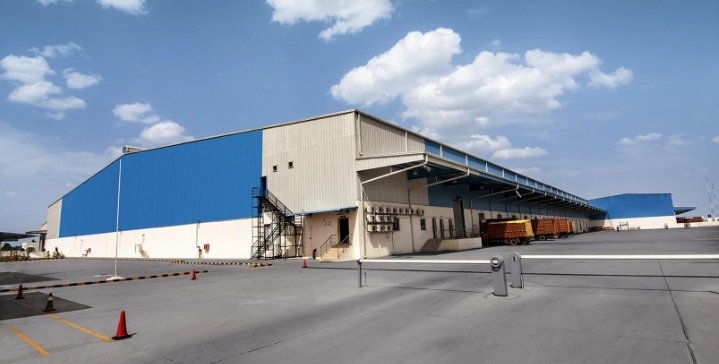
Warehouses are critical components of modern supply chains, storing raw materials, finished products, medical supplies, agricultural produce, and industrial equipment before they reach customers. In monsoon climate regions, however, warehouses face recurring risks from heavy rainfall, flash floods, waterlogging, humidity, and power outages. A single flood can destroy inventory worth millions, interrupt logistics networks, and delay deliveries for weeks. Traditional warehouse management systems are often designed to optimize storage and movement of goods but are not equipped to respond intelligently to rapidly changing environmental conditions. Industry 4.0 offers a new approach by transforming warehouses into connected, self-monitoring, and flood-resilient facilities.
Industry 4.0 integrates artificial intelligence, the Internet of Things, cloud computing, robotics, digital twins, predictive analytics, and automation into industrial operations. In warehouse environments, these technologies continuously monitor infrastructure, inventory, weather conditions, and operational performance, allowing managers to anticipate disruptions instead of reacting after damage has occurred.
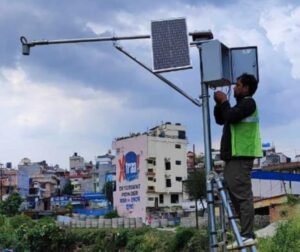
The first layer of a smart warehouse consists of connected sensors installed throughout the facility. Water level sensors monitor entrances, drainage systems, loading docks, and storage floors. Humidity sensors detect moisture that may damage electronics, pharmaceuticals, paper products, textiles, and packaged food. Temperature sensors ensure sensitive inventory remains within safe storage conditions. Structural sensors monitor walls, roofs, and support columns for signs of stress caused by prolonged exposure to water.
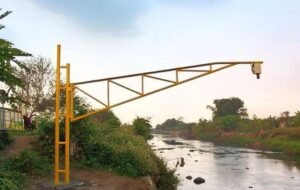
These sensors transmit information continuously to cloud platforms where artificial intelligence evaluates operational risks. By combining live sensor data with weather forecasts, historical rainfall patterns, nearby river levels, and municipal flood alerts, machine learning models estimate the likelihood of flooding hours before water reaches the warehouse. Managers receive early warnings that allow inventory relocation and operational adjustments.
Digital twins significantly improve warehouse planning. A digital twin creates a virtual representation of the warehouse, including storage racks, loading bays, drainage systems, electrical equipment, forklifts, and inventory locations. Engineers can simulate flood scenarios to determine how water would move through the building. This allows warehouse designers to identify vulnerable storage zones and redesign layouts for improved resilience.
Artificial intelligence also optimizes inventory placement. High value products, hazardous materials, electronics, pharmaceuticals, and critical spare parts can be automatically assigned to elevated storage locations during the monsoon season. Lower risk inventory occupies ground level areas while continuously adapting to changing weather forecasts.
Autonomous mobile robots improve operational flexibility during severe weather. These robots transport pallets between storage locations without requiring manual intervention. When flood risks increase, artificial intelligence instructs robots to relocate vulnerable inventory to safer areas before flooding begins. The relocation process can continue around the clock, reducing dependence on emergency labor.
Computer vision further strengthens warehouse monitoring. Cameras equipped with artificial intelligence detect water accumulation, blocked drainage channels, leaking roofs, damaged pallets, and unsafe working conditions. Instead of relying solely on manual inspections, the system automatically alerts maintenance personnel when abnormalities are detected.
Predictive maintenance protects warehouse equipment from weather related failures. Forklifts, conveyor systems, elevators, electrical panels, backup generators, and automated storage systems are continuously monitored using vibration sensors, electrical current analysis, and temperature measurements. Maintenance teams receive alerts before equipment failures disrupt operations.
Cloud computing connects warehouses with transportation providers, suppliers, manufacturers, retailers, and emergency management agencies. When flooding threatens one warehouse, inventory availability and transportation schedules can be adjusted across the wider supply chain. Customers receive updated delivery estimates while logistics providers reroute shipments to unaffected distribution centers.
Edge computing provides operational resilience when communication networks fail. Local processing systems installed inside warehouses continue monitoring sensors and controlling automated equipment even if internet connectivity is temporarily interrupted during severe storms.
Renewable energy systems improve business continuity. Solar panels combined with battery storage and intelligent energy management systems provide backup power during electrical outages caused by heavy rainfall. Critical refrigeration systems, automated storage equipment, security systems, and communication networks continue operating until grid power is restored.
Drones support rapid damage assessment after storms. Warehouse operators deploy drones to inspect roofs, drainage channels, surrounding roads, parking areas, and nearby flood barriers without exposing personnel to hazardous conditions. Artificial intelligence analyzes captured images to prioritize repairs and estimate recovery requirements.
India represents an excellent environment for adopting flood-resilient warehouse technologies. Rapid growth in ecommerce, manufacturing, pharmaceuticals, food processing, and cold chain logistics has increased demand for reliable warehouse infrastructure. Many industrial parks and logistics hubs are located in regions that experience intense seasonal rainfall. Smart warehouse systems would reduce inventory losses while improving supply chain reliability.
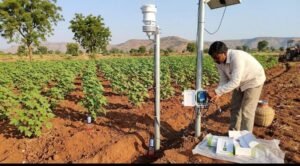
Agricultural supply chains also benefit. Warehouses storing grains, spices, fruits, vegetables, fertilizers, and seeds often experience significant losses due to excessive moisture during monsoon seasons. Continuous environmental monitoring helps preserve product quality while reducing waste.
Insurance companies may also benefit from Industry 4.0 adoption. Real time warehouse monitoring provides objective evidence of risk management practices, allowing insurers to develop more accurate pricing models and faster claims assessment following natural disasters.
Implementation challenges remain. Installing sensor networks, automation systems, robotics, and cloud infrastructure requires significant investment. Artificial intelligence models depend on reliable environmental and operational data. Workforce training is essential to ensure employees understand digital systems and automated decision support tools. Strong cybersecurity measures are equally important because warehouses increasingly become connected components of national supply chains.
Despite these challenges, the long term benefits are substantial. Reduced inventory losses, lower maintenance costs, improved operational continuity, enhanced worker safety, greater customer satisfaction, and stronger supply chain resilience justify investment in intelligent warehouse technologies.
Industry 4.0 is redefining warehouse operations for monsoon climate regions. By combining artificial intelligence, IoT sensors, robotics, digital twins, cloud computing, predictive analytics, and automated inventory management, warehouses evolve from passive storage facilities into intelligent logistics hubs capable of anticipating environmental threats. As climate variability increases and supply chains become more interconnected, flood-resilient warehouses will become an essential foundation for reliable commerce, industrial growth, and economic resilience.