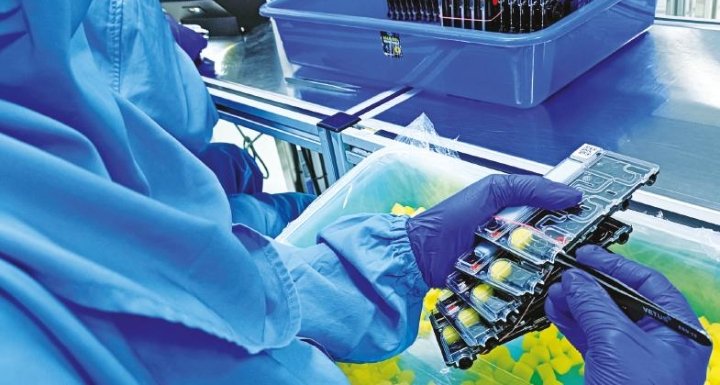
Healthcare is becoming one of the fastest growing sectors of the global economy. Rising life expectancy, expanding healthcare infrastructure, technological innovation and increasing demand for quality medical care have created a rapidly growing market for medical devices. From diagnostic equipment and surgical instruments to imaging systems, patient monitoring devices and wearable health technologies, medical devices are now essential to modern healthcare. India has a unique opportunity to become a global leader in medical device manufacturing by combining its engineering talent, healthcare expertise and growing industrial capabilities.
India has already established itself as one of the world’s largest pharmaceutical producers. The next logical step is to build a similarly strong medical device industry that serves both domestic and international markets. A robust manufacturing ecosystem would reduce import dependence, improve healthcare affordability and create thousands of high value jobs while strengthening India’s position in global healthcare supply chains.
The medical device industry is highly diverse. It includes products ranging from simple disposable syringes and surgical gloves to advanced imaging systems, robotic surgical equipment, implantable devices and artificial intelligence powered diagnostic tools. Developing capabilities across this spectrum requires long term investments in manufacturing, research, quality assurance and skilled human resources.
Domestic demand provides a strong foundation for industrial growth. India has one of the largest healthcare systems in the world, with thousands of hospitals, clinics, laboratories and diagnostic centres serving a population of more than one billion people. As healthcare infrastructure expands, demand for reliable and affordable medical devices will continue to increase significantly.
Import substitution should become an important objective. A substantial share of advanced medical devices used in India is imported. Building domestic manufacturing capabilities improves supply chain resilience while reducing foreign exchange outflows. Local production also enables faster maintenance, better customer support and products designed specifically for Indian healthcare conditions.
Research and innovation must become central to India’s medical device strategy. Universities, engineering institutions, hospitals and research laboratories should collaborate to develop new technologies that address clinical challenges. Doctors and engineers working together can create products that improve patient care while remaining affordable for both public and private healthcare providers.
Medical technology parks offer an effective model for industrial development. These specialised clusters can bring together manufacturers, component suppliers, research institutions, testing laboratories and regulatory support services within integrated ecosystems. Such collaboration reduces costs while encouraging innovation and technology transfer.
Quality standards remain critical for success in international markets. Medical devices must meet rigorous safety, performance and regulatory requirements before reaching patients. Manufacturers should invest in advanced testing facilities, international certifications and continuous quality improvement systems to build confidence among healthcare providers worldwide.
Artificial intelligence is creating entirely new opportunities within the medical device industry. AI powered diagnostic systems, smart imaging equipment, patient monitoring devices and wearable technologies improve clinical decision making while supporting preventive healthcare. India already possesses strong expertise in software development, making it well positioned to integrate AI into future medical technologies.
The growing field of digital health also supports medical device innovation. Connected devices that transmit patient information securely to healthcare professionals enable remote monitoring, telemedicine and personalised treatment. Such technologies are particularly valuable in improving healthcare access for rural and remote communities.
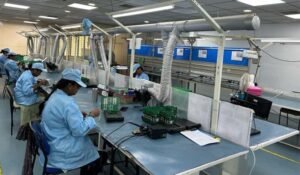
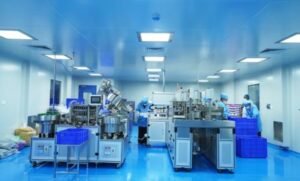
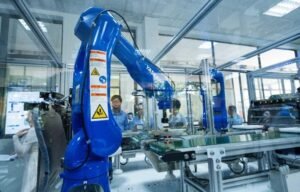
Manufacturing excellence should become a national priority. Precision engineering, clean room production, advanced materials and automated quality control systems ensure that medical devices meet international expectations. Investments in Industry 4.0 technologies improve productivity while maintaining consistently high quality standards.
Small and medium enterprises can play an important role in this sector. Many specialised components, sensors, electronics and precision instruments used in medical devices can be manufactured by MSMEs. Supporting smaller businesses through financing, technology transfer and export promotion strengthens the overall industrial ecosystem.
Component manufacturing deserves greater attention. Batteries, sensors, microelectronics, specialised plastics, optical systems and precision mechanical parts are all essential to medical device production. Developing domestic supply chains reduces dependence on imports while increasing industrial resilience.
Healthcare professionals should actively participate in product development. Doctors, nurses, biomedical engineers and hospital administrators understand practical clinical challenges that manufacturers may overlook. Continuous collaboration between industry and healthcare institutions leads to products that better serve patients and medical practitioners.
Regulatory efficiency also influences industrial competitiveness. Transparent approval processes, predictable regulations and internationally recognised certification systems encourage investment while ensuring patient safety. Efficient regulatory systems help manufacturers introduce innovations more rapidly without compromising quality.
Skill development remains essential. Biomedical engineering, electronics, materials science, manufacturing technology and regulatory affairs all require specialised expertise. Universities and technical institutions should expand programmes that prepare graduates for careers in medical device research, manufacturing and quality management.
Export potential is substantial. Many developing countries seek reliable, affordable and high quality medical devices suited to resource constrained healthcare systems. India can become a preferred supplier by combining engineering excellence with cost effective manufacturing. Strong export performance also enhances the country’s reputation as a global healthcare technology leader.
Government procurement policies can support domestic manufacturing while maintaining high quality standards. Public hospitals and healthcare programmes create stable demand that encourages long term industrial investment. Transparent procurement processes should reward innovation, quality and value for money.
International collaboration will accelerate technological progress. Partnerships with global manufacturers, research institutions and healthcare organisations encourage knowledge transfer while expanding access to international markets. Such collaborations should strengthen India’s domestic capabilities rather than creating long term dependence.
Sustainability should also become part of future manufacturing strategies. Energy efficient factories, environmentally responsible materials, recyclable products and reduced manufacturing waste contribute to both economic and environmental goals. Sustainable production increasingly influences purchasing decisions in global healthcare markets.
Medical device manufacturing extends beyond industrial growth. It strengthens public health, improves access to life saving technologies and enhances national preparedness during emergencies. Countries capable of producing essential medical equipment domestically respond more effectively to health crises while ensuring continuity of care.
India has the engineering talent, industrial ambition and healthcare expertise needed to become a global leader in medical device manufacturing. By investing in research, innovation, manufacturing infrastructure, quality standards and skilled professionals, the country can build a world class industry that supports economic growth while improving healthcare outcomes across India and around the world.
The future of healthcare will depend increasingly on technology. Nations that design and manufacture advanced medical devices will shape the next generation of medical innovation. India has the opportunity to be one of those nations, combining affordable manufacturing with scientific excellence to become a trusted global hub for medical technology.