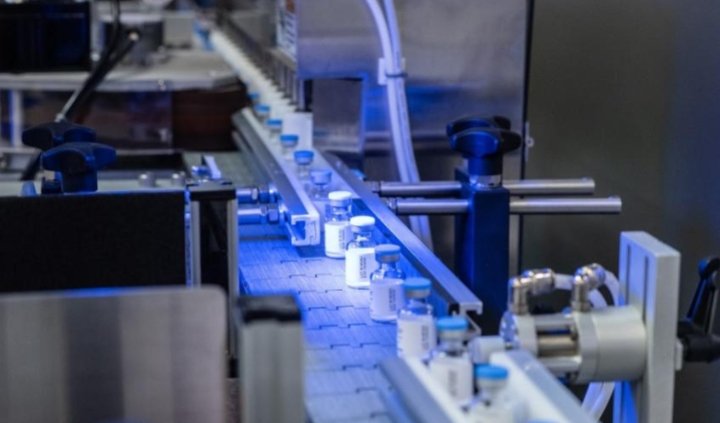
India has built a strong global reputation as a producer of generic medicines, vaccines and active pharmaceutical ingredients. However, pharmaceutical packaging remains an underappreciated opportunity within the country’s trade policy. Packaging is no longer limited to bottles, cartons and blister packs. It has become a high-technology industry involving materials science, automation, digital authentication and regulatory compliance. By strengthening this segment, India can capture greater value from the global pharmaceutical supply chain.
Every medicine exported must comply with strict packaging standards established by importing countries. Requirements include barrier protection against moisture and oxygen, tamper-evident seals, serialization, anti-counterfeit features, child-resistant designs and traceability throughout distribution. These requirements create demand for sophisticated packaging manufacturers rather than conventional printing businesses.
India should establish dedicated Pharmaceutical Packaging Clusters where packaging material manufacturers, machinery producers, testing laboratories and pharmaceutical companies operate within a single industrial ecosystem. Such clusters would reduce logistics costs while improving coordination between drug manufacturers and packaging suppliers.
A national incentive programme could encourage domestic production of high-performance packaging materials including medical-grade polymers, aluminium foils, pharmaceutical glass, multilayer laminates, sterile containers and specialty coatings. Many of these materials continue to rely on imports despite India’s manufacturing capabilities.
Anti-counterfeit technologies represent another major export opportunity. Smart labels, QR code authentication, RFID tracking, holographic security features and digital product passports are becoming standard across regulated pharmaceutical markets. Indian technology companies could develop integrated packaging solutions combining physical security with cloud-based verification systems.
Packaging machinery should receive equal policy attention. Automated filling systems, blister packaging machines, sterile sealing equipment, robotic inspection systems and high-speed labelling technologies are critical components of pharmaceutical manufacturing. Supporting domestic machinery manufacturers would reduce import dependence while creating another export-oriented engineering industry.
Testing infrastructure remains equally important. Packaging materials must undergo rigorous evaluation for chemical compatibility, barrier performance, sterilization resistance, transportation durability and shelf-life stability. India should expand internationally accredited testing laboratories capable of certifying packaging products for major export markets.
Sustainability is becoming a decisive factor in pharmaceutical procurement. Hospitals, governments and multinational companies increasingly seek recyclable materials, biodegradable polymers and lower-carbon packaging solutions. India could become a preferred supplier by investing in environmentally responsible pharmaceutical packaging technologies without compromising product safety.
Export promotion schemes should recognize packaging as an independent industrial sector rather than merely an accessory to pharmaceutical manufacturing. Financial incentives for research, product development and certification would help Indian firms compete in premium international markets.
Universities and technical institutes should introduce specialized programmes in pharmaceutical packaging engineering, packaging materials science, regulatory compliance and industrial automation. A dedicated talent pipeline would support innovation and improve manufacturing quality across the sector.
India should also develop a Centre for Advanced Pharmaceutical Packaging Research focused on smart materials, digital tracking technologies, sustainable polymers and intelligent packaging capable of monitoring temperature, humidity and product integrity during transport. Such research would strengthen the country’s competitive position as pharmaceutical logistics become increasingly sophisticated.
Trade agreements should include provisions that simplify recognition of Indian packaging certifications in major export destinations. Mutual recognition of testing standards would reduce compliance costs and shorten approval timelines for exporters.
Small and medium enterprises can play a significant role by manufacturing closures, labels, cartons, inserts, specialised containers and secondary packaging systems. Dedicated financing programmes and technology support would enable these businesses to integrate into global pharmaceutical supply chains.
As global demand for medicines continues to grow, the packaging industry will become increasingly strategic. Countries that master advanced pharmaceutical packaging will not only strengthen their own drug industries but also become indispensable suppliers to manufacturers around the world. By treating pharmaceutical packaging as a priority industrial policy area, India can create skilled employment, increase export earnings and reinforce its position as one of the world’s leading healthcare manufacturing economies.