
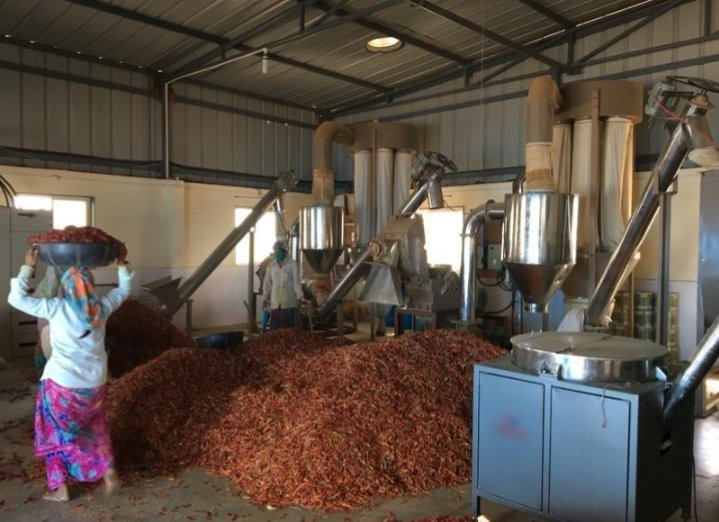
India’s namkeen industry depends on a complex blend of spices to create distinctive flavors that are recognized across regional and international markets. Ingredients such as chilli powder, turmeric, black pepper, cumin, coriander, asafoetida, dry mango powder, curry leaves, and numerous spice blends determine the identity of each product. However, variations in spice quality, adulteration, contamination, and inconsistent processing can directly affect product safety and consumer confidence. A governance framework dedicated to spice quality assurance could significantly strengthen one of the country’s largest snack manufacturing sectors.
Every batch of spices entering a namkeen manufacturing facility could be digitally registered with information about its origin, supplier, harvesting season, processing unit, laboratory reports, and transportation history. This traceability system would allow manufacturers to identify the exact source of every ingredient used in production.
Government approved laboratories could conduct standardized testing for moisture content, microbial contamination, pesticide residues, heavy metals, artificial colors, adulterants, and volatile oil composition. Digital laboratory certificates would become part of a national compliance platform that manufacturers and regulators could access during inspections.
Standardized grading systems could classify spices according to measurable quality parameters instead of relying only on visual inspection. Manufacturers would therefore be able to procure ingredients based on objective quality standards while farmers and processors producing superior products receive better prices.
Artificial intelligence could analyze quality reports from different regions to identify seasonal variations, disease outbreaks, contamination risks, or repeated quality failures among suppliers. Such information would support evidence based policymaking while improving supply chain resilience.
Spice blending units could also maintain digital records of formulation batches, storage conditions, humidity levels, grinding temperatures, and packaging dates. Proper governance of processing conditions would help preserve flavor, aroma, and nutritional characteristics while reducing quality deterioration.
Research institutions could collaborate with industry to develop rapid testing technologies capable of identifying adulteration within minutes. Portable digital testing devices could be deployed at procurement centers, warehouses, and manufacturing plants, reducing dependence on lengthy laboratory procedures.
Small spice growers and processors should receive technical support through government programs that provide quality testing services, training in post harvest handling, certification assistance, and digital marketing platforms. Such initiatives would improve rural incomes while strengthening the overall supply chain.
Consumers could also benefit from QR codes on namkeen packaging that provide information about spice sourcing, laboratory certification, manufacturing dates, and quality assurance systems. Greater transparency would encourage responsible manufacturing while increasing consumer confidence.
A comprehensive governance framework for spice quality assurance would improve food safety, reduce adulteration, strengthen export competitiveness, reward high quality agricultural production, support scientific quality assessment, and reinforce India’s global reputation as one of the world’s leading producers of spices and traditional snack foods.