India’s snack manufacturing industry has experienced remarkable growth over the past two decades. Packaged products such as potato chips, namkeen, bhujia, banana chips, extruded snacks, roasted nuts, popcorn, and regional specialties have become a regular part of daily consumption across the country. While the industry has generated employment, investment, and innovation, it has also increased public attention on nutritional quality. One area that deserves stronger governance is the regulation and monitoring of salt content in packaged snacks.
Salt plays an essential role in snack manufacturing. It enhances taste, improves texture, supports preservation, and contributes to consumer satisfaction. However, excessive sodium consumption has been associated with hypertension, cardiovascular disease, kidney disorders, and several other public health concerns. Since packaged snacks are frequently consumed by children, young adults, and working professionals, governance mechanisms that encourage responsible salt management can contribute significantly to long term public health.
A national governance framework could establish progressive sodium reduction targets for different categories of snack products. Instead of imposing sudden restrictions, regulators could introduce phased reduction schedules that allow manufacturers to gradually reformulate products without affecting consumer acceptance. This approach has been successfully explored in several international food sectors and can provide a practical roadmap for India’s snack industry.
Digital governance would strengthen such a framework considerably. Every manufacturing facility could maintain electronic records of ingredient formulations, salt procurement, production batches, laboratory analyses, and quality control reports. These records would enable food safety authorities to verify compliance while reducing paperwork and improving transparency across the industry.
Modern manufacturing technology can further improve oversight. Automated ingredient dispensing systems can accurately measure salt quantities during production. Smart weighing equipment connected to factory management software can ensure that recipes remain within approved nutritional specifications. Production data can be securely stored and made available during regulatory inspections, reducing the possibility of manual recording errors.
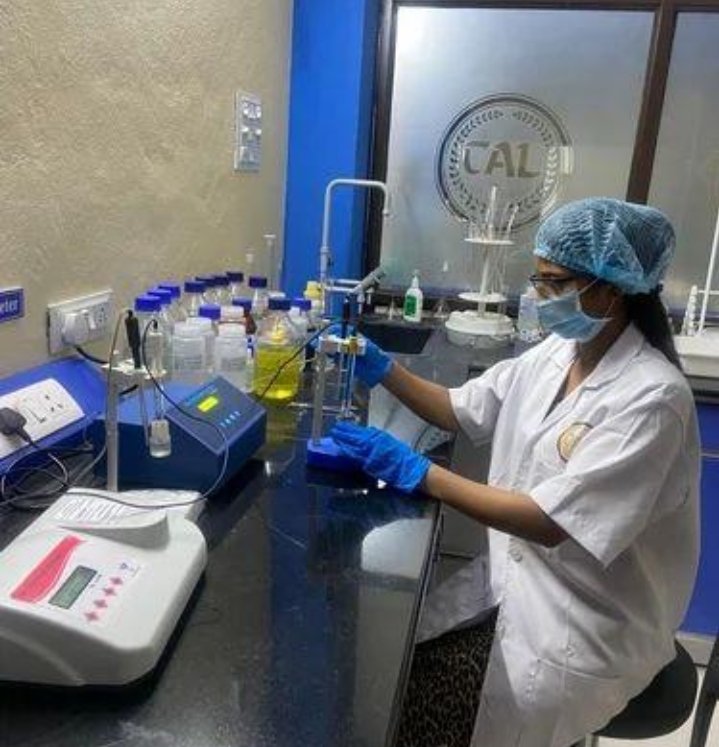
Independent laboratory testing should remain a key component of governance. Accredited laboratories could periodically analyze snack samples collected from manufacturing plants, warehouses, retail outlets, and online marketplaces. Laboratory verification ensures that nutritional claims printed on packaging accurately represent the actual product being sold to consumers.
Transparent nutritional labeling also deserves attention. Consumers often find it difficult to compare sodium levels across different snack brands because label formats vary. A standardized front of pack nutrition display could help consumers quickly understand salt content while encouraging manufacturers to compete on healthier product formulations. Digital QR codes could provide additional nutritional information, laboratory certification, manufacturing details, and educational material on balanced diets.
Governance should also encourage research into alternative seasoning technologies. Food scientists are developing mineral blends, flavor enhancement techniques, and processing methods that reduce sodium while maintaining product taste. Government research grants and collaborative programs between universities and manufacturers could accelerate innovation in healthier snack formulations suitable for Indian consumers.
Small and medium snack manufacturers require special consideration. Many regional producers operate with limited technical resources and may find product reformulation challenging. Government support programs could provide technical guidance, laboratory access, nutritional consulting, and financial incentives to help these businesses improve product quality without creating excessive compliance costs.
Consumer education remains equally important. Many people are unaware of their total daily sodium intake because it comes from multiple food sources. Public awareness campaigns can encourage informed purchasing decisions while helping consumers understand nutritional labels and recommended dietary limits. As consumer demand shifts toward healthier products, manufacturers gain stronger commercial incentives to improve formulations voluntarily.
Schools and educational institutions can also become important partners in governance. Nutrition education programs that explain the importance of balanced diets and moderate sodium intake can influence future purchasing habits. Young consumers who understand food labels are more likely to choose products that support healthier lifestyles.
Artificial intelligence offers additional opportunities for regulatory oversight. National food safety databases can analyze laboratory results, inspection reports, consumer complaints, and manufacturing records to identify patterns that require attention. Authorities could prioritize inspections for facilities with repeated compliance issues while rewarding consistently high performing manufacturers through simplified regulatory procedures.
International trade also benefits from stronger nutritional governance. Many export markets increasingly evaluate packaged foods based on nutritional quality alongside food safety standards. Manufacturers that successfully reduce sodium while maintaining product quality may gain access to premium international markets where consumers actively seek healthier snack options.
Industry associations have an important role in promoting voluntary compliance beyond minimum regulatory requirements. They can develop best practice guidelines, organize technical workshops, facilitate knowledge sharing, and recognize manufacturers demonstrating leadership in nutritional improvement. Such collaboration reduces resistance to regulatory reforms while encouraging innovation across the sector.
Digital governance also improves policy evaluation. Regulators can monitor industry wide sodium reduction trends over several years using real production data. Evidence based policymaking allows government agencies to refine regulations according to measurable outcomes rather than assumptions, ensuring that governance remains both effective and practical.
India’s snack manufacturing industry represents one of the country’s most important food processing sectors. As consumer expectations evolve, governance must expand beyond food safety alone to include nutritional responsibility. A comprehensive digital framework for salt reduction can improve public health, strengthen consumer confidence, encourage scientific innovation, enhance export competitiveness, and promote sustainable industrial growth. By combining technology, transparent regulation, research, and industry cooperation, India can establish itself as a global leader in responsible snack manufacturing while protecting the long term health of its population.