India has emerged as one of the world’s leading automobile manufacturing nations, producing millions of passenger cars, two-wheelers, commercial vehicles and automotive components every year. While manufacturing capability continues to expand, the next stage of growth depends on how efficiently vehicles and components move from factories to international markets. Developing smarter trade corridors can significantly improve India’s competitiveness in global automotive trade.
A trade corridor is more than a highway or a shipping route. It is an integrated network connecting factories, warehouses, railways, highways, inland container depots, ports, customs systems and international shipping lines. When these elements operate seamlessly, manufacturers can reduce logistics costs, shorten delivery times and improve reliability for overseas buyers.
The automotive industry depends heavily on predictable logistics. Vehicle manufacturers operate with carefully planned production schedules, and delays at any stage of transportation can affect deliveries, dealer inventories and customer satisfaction. Efficient trade corridors therefore become a strategic advantage rather than merely an infrastructure project.
India possesses several major automobile manufacturing clusters including Chennai, Pune, Gurugram, Sanand, Hosur and the National Capital Region. Each cluster has different export destinations, supplier ecosystems and transportation requirements. Developing specialized automotive trade corridors for these clusters could improve coordination across the entire supply chain.
Digital technology can make these corridors significantly more efficient. Sensors installed along transport routes can monitor cargo movement in real time. GPS-enabled vehicle tracking can provide manufacturers with continuous visibility over shipments. Port authorities can predict cargo arrivals more accurately, reducing congestion and improving loading schedules.
Artificial intelligence can further strengthen corridor management by analysing traffic patterns, weather conditions, shipping schedules and customs processing times. AI systems can recommend optimal transport routes, estimate arrival times and identify potential bottlenecks before they disrupt supply chains.
Rail transport deserves particular attention in automotive logistics. Dedicated automobile freight services can move large volumes of vehicles between manufacturing centres and ports while reducing highway congestion and carbon emissions. Modern rail corridors integrated with digital scheduling systems could become a major competitive advantage for Indian exporters.
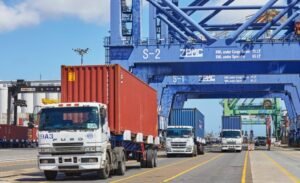
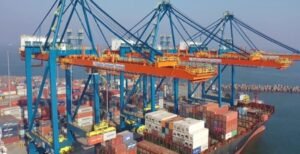
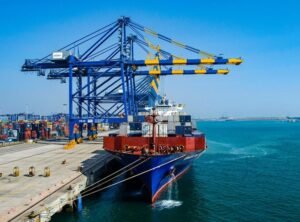
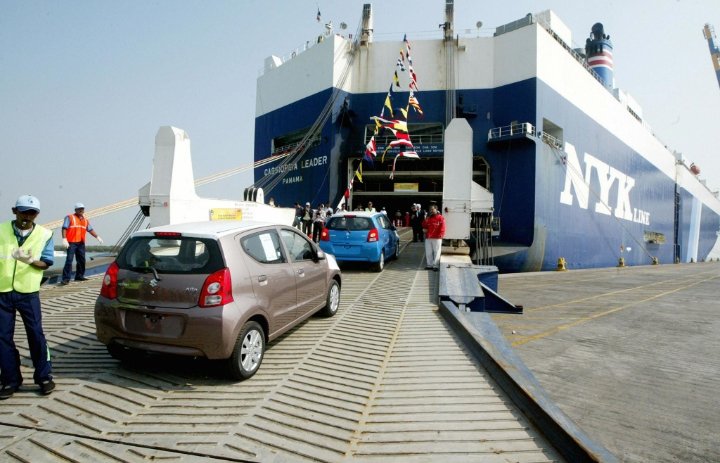
Ports remain the most visible component of automotive trade corridors. Modern vehicle terminals equipped with automated handling systems, digital customs processing and efficient storage facilities can reduce turnaround times significantly. Faster loading and unloading operations allow shipping companies to maintain tighter schedules, benefiting both exporters and international customers.
Customs procedures also influence corridor efficiency. Paperless documentation, electronic approvals and integrated inspection systems reduce delays and administrative costs. When customs authorities, shipping companies and manufacturers share information digitally, cargo movement becomes faster and more transparent.
Automotive component manufacturers can benefit equally from improved trade corridors. Thousands of suppliers located across India depend on reliable logistics to deliver components both domestically and internationally. Better multimodal transport networks would reduce transportation costs while improving delivery reliability.
Electric vehicles introduce additional logistics considerations. Batteries require specialized handling procedures, safety standards and storage facilities. Future automotive trade corridors should therefore include infrastructure designed specifically for transporting high-value battery systems and related components safely.
Trade corridors should also support sustainability objectives. Electrified freight vehicles, renewable energy powered logistics parks and energy-efficient warehouses can reduce carbon emissions while improving operational efficiency. International buyers increasingly value environmentally responsible supply chains, making green logistics an important competitive factor.
Government agencies have a crucial role in coordinating investments across transport infrastructure, customs modernization and digital connectivity. Rather than developing roads, railways and ports independently, integrated planning focused on complete trade corridors can generate greater economic benefits.
Industry associations can contribute by identifying logistics challenges faced by manufacturers and recommending practical improvements. Continuous dialogue between government, logistics providers, port operators and automotive companies ensures that infrastructure investments remain aligned with evolving business requirements.
Data sharing across corridor participants is another important opportunity. Shipping companies, warehouse operators, customs authorities and manufacturers all generate valuable operational data. Secure platforms that allow selective information sharing could improve planning while protecting commercial confidentiality.
Financial institutions may also participate by supporting logistics modernization projects and digital infrastructure investments. Better transport efficiency lowers operational risks, making automotive exports more attractive from a financing perspective.
Global competition is becoming increasingly dependent on logistics performance. International buyers often compare suppliers not only on product quality and price but also on delivery reliability and responsiveness. Manufacturers located within efficient trade corridors gain an advantage because they can fulfil orders more consistently.
India has already demonstrated remarkable progress in expanding manufacturing capacity. The next opportunity lies in building equally sophisticated logistics ecosystems that connect factories with global markets. Integrated trade corridors supported by digital technology, modern infrastructure and coordinated governance can strengthen India’s position as a trusted automotive export partner.
The future of automotive trade will reward countries capable of moving products quickly, efficiently and sustainably. By investing in intelligent trade corridors, India can reduce logistics costs, improve export competitiveness and create a stronger foundation for long-term industrial growth. Efficient movement of vehicles and components may become just as important as their production, making trade corridors one of the most strategic investments for the country’s automotive industry.