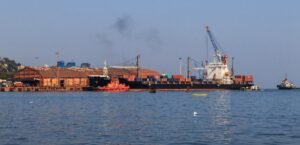
India is a maritime nation by geography and by history. With a coastline stretching over 7,500 kilometres and a strategic location along some of the world’s busiest shipping routes, the country possesses immense potential to become a global maritime and logistics powerhouse. Yet, for many years, the maritime economy has remained underutilised compared to its true capabilities. As international trade continues to expand and global supply chains evolve, India has an opportunity to transform its ports, coastal regions and shipping infrastructure into major drivers of economic growth.
More than 90 percent of India’s merchandise trade by volume moves through the sea. Every day, ships carrying crude oil, machinery, automobiles, electronics, agricultural products, chemicals and manufactured goods arrive at and depart from Indian ports. This makes maritime infrastructure one of the most critical components of the national economy. Efficient ports reduce transportation costs, improve export competitiveness and attract domestic as well as international investment.
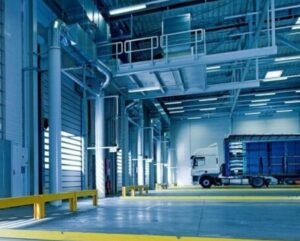
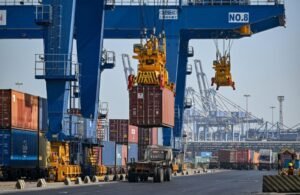
The development of world class ports should therefore remain a national priority. Modern ports are no longer simply locations where ships load and unload cargo. They have evolved into integrated logistics ecosystems with automated terminals, digital customs systems, multimodal transportation links, warehousing facilities and industrial clusters. Countries that have invested in such ports have significantly improved their positions in global trade.
India has already made considerable progress by expanding port capacity and modernising cargo handling facilities. However, future investments should focus on increasing operational efficiency, reducing vessel turnaround time and integrating ports with highways, dedicated freight corridors, inland waterways and airports. Seamless connectivity between transport modes reduces logistics costs while improving the movement of goods across the country.
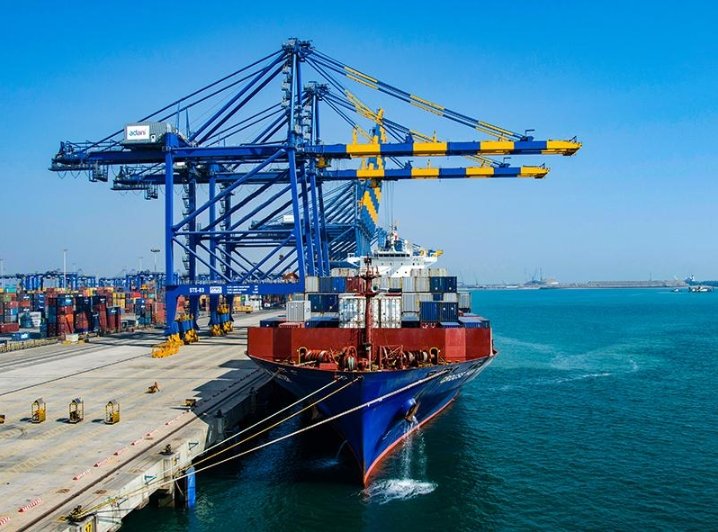
The emergence of deep water ports offers another strategic advantage. These ports can accommodate the world’s largest container ships, allowing India to handle greater volumes of international trade directly rather than depending on foreign transshipment hubs. Increased direct shipping services strengthen India’s position within global maritime networks while reducing costs for exporters and importers.
Coastal economic development should accompany port expansion. Manufacturing industries, logistics companies, warehousing facilities, ship repair yards, cold storage centres and export processing zones can all be established near ports to create integrated industrial ecosystems. Such development generates employment while reducing transportation costs for businesses operating in export oriented industries.
The shipbuilding industry also deserves renewed attention. Nations with strong maritime economies often possess advanced shipbuilding capabilities that support both commercial shipping and national defence. Expanding domestic shipbuilding creates high value employment while encouraging technological innovation in engineering, materials science and marine systems.
Ship repair and maintenance represent another important opportunity. Thousands of commercial vessels require regular maintenance throughout their operational lives. Developing modern repair facilities allows India to attract international shipping companies while supporting domestic maritime industries.
Inland waterways can further strengthen the maritime economy by connecting ports with inland manufacturing centres. Transporting bulk cargo through rivers and canals often costs less than road transportation while reducing congestion and fuel consumption. Expanding navigable waterways creates a more balanced and sustainable national logistics network.
Digital technology is transforming maritime operations worldwide. Artificial intelligence, automated cargo handling systems, digital documentation, blockchain based trade platforms and real time vessel tracking improve efficiency while reducing administrative delays. Indian ports should continue adopting these technologies to remain competitive with leading global maritime hubs.
Logistics efficiency extends beyond ports themselves. Customs procedures, cargo inspections, documentation and regulatory approvals all influence the speed of international trade. Fully digital trade facilitation systems reduce paperwork, improve transparency and enable faster clearance of imported and exported goods.
India’s fisheries sector also forms an important part of the maritime economy. Modern fishing harbours, cold chain infrastructure, seafood processing facilities and export logistics improve incomes for coastal communities while expanding international seafood exports. Sustainable fishing practices ensure that marine resources remain productive for future generations.
Offshore renewable energy presents another emerging opportunity. Offshore wind farms can contribute to India’s clean energy transition while creating new industries in marine engineering, equipment manufacturing and maintenance services. Coastal regions could become centres of renewable energy innovation supporting both domestic consumption and export opportunities.
The blue economy extends beyond transportation and shipping. Marine biotechnology, ocean research, coastal tourism, desalination technologies and underwater resource exploration all contribute to sustainable economic development. India should encourage research institutions, universities and private companies to explore these emerging sectors.
Human resource development remains essential. Port operations, shipping management, marine engineering, logistics and maritime law require specialised expertise. Expanding maritime education and vocational training will prepare young professionals for careers in one of the fastest growing sectors of the global economy.
Environmental sustainability should guide future maritime development. Ports should invest in shore power facilities, cleaner cargo handling equipment, renewable energy and pollution control systems. Sustainable coastal development protects marine ecosystems while maintaining long term economic productivity.
International cooperation also plays an important role. Strong maritime partnerships with neighbouring countries and major trading nations improve connectivity, strengthen regional trade and support secure shipping routes. Economic diplomacy should continue promoting India’s role as a trusted maritime partner within the Indo-Pacific region and beyond.
Private investment will remain a key driver of future growth. Modern ports, logistics parks, shipping services and industrial zones require significant capital and operational expertise. Transparent regulations, predictable policies and efficient governance encourage long term investments that strengthen India’s maritime infrastructure.
Coastal communities should remain central to maritime development. Improved ports, industrial growth and logistics expansion create employment opportunities while supporting local businesses, education and public infrastructure. Inclusive development ensures that economic growth benefits both industry and society.
India’s geographical position gives it a natural advantage that few countries possess. Located at the crossroads of major international shipping routes, the nation has the opportunity to become one of the world’s leading maritime economies. By modernising ports, strengthening logistics, expanding shipbuilding, promoting coastal industries and embracing digital technologies, India can unlock the full potential of its maritime sector.
A strong maritime economy is not only about increasing trade volumes. It strengthens manufacturing, improves export competitiveness, creates employment and enhances national resilience. In the decades ahead, India’s ports and coastal regions can become powerful engines of economic growth, helping the country emerge as a leading global trading and logistics hub.