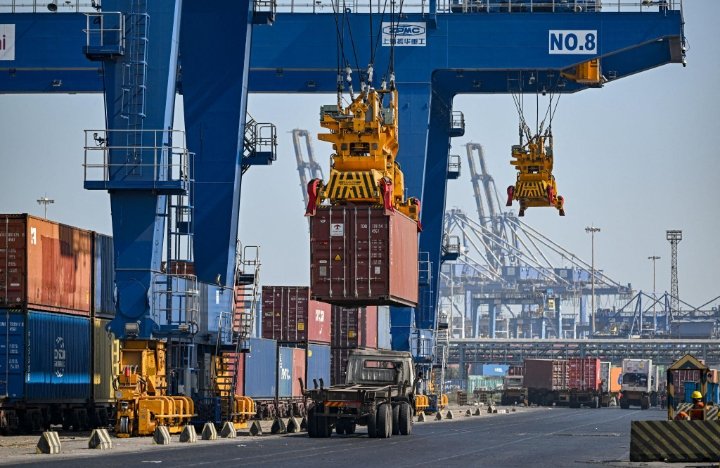
India has long been recognized as one of the world’s largest economies, yet its share in global merchandise exports remains lower than its economic potential. The country has built a strong reputation in information technology, pharmaceuticals, engineering products, automobiles, textiles, and refined petroleum. However, the next phase of India’s growth depends on transforming itself into a true export superpower capable of supplying products and services to markets across every continent.
The global trading landscape is changing rapidly. Many multinational companies are seeking alternatives to single-country supply chains. Rising geopolitical tensions, increasing production costs in some regions, and the need for resilient manufacturing networks have created an opportunity that India has not enjoyed in decades. If India acts strategically, it can emerge as one of the most important manufacturing and exporting nations in the world.
Manufacturing must become a national priority. Countries that dominate exports usually possess a large industrial base capable of producing goods at competitive prices and consistent quality. India has already launched initiatives to strengthen domestic manufacturing, but continued investment in industrial clusters, automation, quality control, and worker training will be essential. Manufacturing should not be limited to large corporations. Small and medium enterprises should also become part of global supply chains through access to finance, technology, and export support.
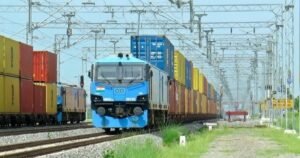
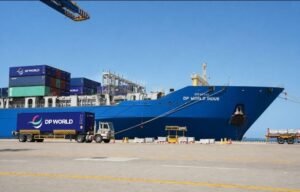
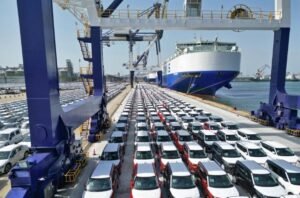
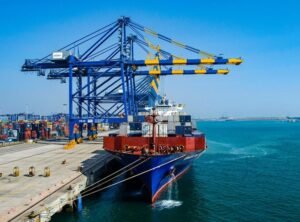
Infrastructure plays an equally important role. Efficient ports, highways, rail freight corridors, airports, and logistics parks reduce transportation costs and improve delivery times. Delays at ports or customs checkpoints increase expenses and reduce competitiveness. Modern cargo handling systems, digital customs procedures, and integrated logistics networks can significantly improve India’s position in international trade.
India must also simplify its export procedures. Many businesses, especially smaller firms, find export regulations complicated. A single-window digital platform for export approvals, documentation, taxation, and customs clearance would save time and reduce administrative burdens. Faster approvals encourage more companies to enter international markets.
Quality standards determine success in global trade. International buyers expect products that meet strict safety, environmental, and technical requirements. Indian manufacturers should invest in modern testing laboratories, certification systems, and quality assurance processes. Government agencies and industry associations can support exporters by providing technical guidance and helping businesses comply with international regulations.
Product diversification is another important objective. India’s exports are concentrated in a limited number of sectors. Expanding into electronics, semiconductor components, renewable energy equipment, medical devices, aerospace components, defence manufacturing, robotics, precision engineering, biotechnology products, and advanced chemicals would strengthen export resilience. Emerging industries can create high-value jobs while reducing dependence on traditional export sectors.
Agricultural exports also present enormous opportunities. India produces a wide variety of fruits, vegetables, spices, rice, tea, coffee, seafood, and processed foods. Better cold chain infrastructure, food processing facilities, quality certification, and international branding can significantly increase agricultural exports. Farmers benefit when agricultural products reach premium international markets instead of relying solely on domestic demand.
Trade agreements can open new markets for Indian businesses. Carefully negotiated agreements reduce tariffs, simplify regulations, and improve market access. India should continue building balanced trade partnerships with countries across Asia, Europe, Africa, the Middle East, and Latin America while protecting sensitive domestic industries where necessary. Diversified trade relationships reduce dependence on any single market.
Export promotion should begin at the state level. Every Indian state has unique products and industrial strengths. Gujarat can expand engineering and chemicals. Tamil Nadu can strengthen automobile and electronics exports. Kerala can promote spices, seafood, tourism services, and value-added agricultural products. Uttar Pradesh can increase exports of handicrafts, leather goods, and processed foods. State-specific export strategies can contribute significantly to national growth.
Innovation must become central to India’s export ambitions. Countries that lead global trade often export products based on research, patents, and advanced technologies. Universities, startups, research institutions, and industries should collaborate more closely to develop innovative products that command premium prices in global markets. Public investment in research and development can create long-term competitive advantages.
Indian brands should also become globally recognized. Many international consumers know products made in India but may not recognize Indian brands themselves. Companies should invest in branding, design, packaging, digital marketing, and customer service to build trust among international buyers. Strong brands increase profitability and customer loyalty.
The services sector remains one of India’s greatest strengths. Information technology, business process outsourcing, consulting, education, healthcare, architecture, financial services, engineering design, and legal support already contribute significantly to exports. Artificial intelligence, cybersecurity, cloud computing, animation, gaming, and digital education represent emerging service sectors with substantial export potential.
Human capital remains India’s greatest competitive advantage. A young workforce, supported by skill development programs, technical education, vocational training, and language proficiency, can supply industries with qualified workers capable of meeting global production standards. Continuous upskilling will become increasingly important as manufacturing becomes more automated and technology-intensive.
Financial support for exporters is equally critical. Affordable credit, export insurance, foreign exchange risk management, and incentives for technology adoption enable businesses to compete internationally. Small exporters often struggle to secure financing despite having competitive products. Strengthening export finance institutions can unlock significant growth.
Sustainability is becoming an important factor in international trade. Many buyers increasingly prefer environmentally responsible suppliers. Indian industries should invest in renewable energy, energy-efficient manufacturing, waste reduction, water conservation, and environmentally friendly packaging. Sustainable production not only protects natural resources but also enhances India’s reputation among global customers.
Digital technologies can revolutionize exports. Artificial intelligence, blockchain, Internet of Things devices, predictive analytics, and digital supply chain management improve efficiency while reducing costs. E-commerce platforms enable even small manufacturers to reach international customers directly without relying entirely on traditional distribution channels.
Trade diplomacy should remain an important component of foreign policy. Indian embassies and trade missions abroad can actively identify market opportunities, support exporters, organize business delegations, and resolve commercial issues. Economic diplomacy can strengthen India’s presence in rapidly growing international markets.
India’s aspiration to become a developed economy depends significantly on export-led growth. A stronger export sector generates employment, attracts foreign investment, increases foreign exchange reserves, strengthens manufacturing, encourages innovation, and improves living standards. The opportunity created by shifting global supply chains may not remain open forever. Timely policy reforms, infrastructure investment, industrial modernization, and international engagement can position India as one of the world’s leading export nations over the coming decades.
By combining its entrepreneurial talent, demographic advantage, technological capabilities, and strategic geographic location, India has the potential to become not only a large consumer market but also one of the world’s most influential exporters. The journey requires coordinated action from governments, industries, researchers, financial institutions, and entrepreneurs, but the rewards could reshape India’s economic future for generations.