India’s commercial relationship with Africa is increasingly extending beyond traditional areas such as commodities and basic consumer goods. Pharmaceuticals, engineering products, automobiles, agricultural machinery, digital services and other manufactured goods are creating new possibilities for Indian companies seeking markets outside the country.
India’s exports to Africa cover a wide range of products. Pharmaceuticals, petroleum products, machinery, vehicles, electrical equipment, cereals and chemicals are among the important categories. The relationship is also supported by India’s long-standing development cooperation and growing private-sector investment across the continent.
Africa’s changing economic structure is creating additional demand. Many African countries are investing in infrastructure, electricity generation, transportation, telecommunications, healthcare and manufacturing. These sectors require equipment and technical capabilities that Indian companies can provide at relatively competitive prices.
Pharmaceuticals are one of the clearest examples. Indian pharmaceutical companies have established a significant presence in African markets, particularly in generic medicines. The availability of relatively affordable medicines has helped Indian manufacturers develop long-term relationships with distributors and healthcare systems across several African countries.
Engineering goods offer another opportunity. Indian manufacturers produce pumps, motors, electrical equipment, agricultural machinery, construction equipment and industrial components that can serve developing markets where cost and reliability are both important considerations.
The automobile sector is also expanding its African footprint. Indian manufacturers and component suppliers have opportunities in markets where demand for affordable vehicles, spare parts and commercial transportation is increasing.
For smaller Indian companies, Africa can provide an alternative to highly competitive developed markets. A specialised manufacturer does not necessarily need to establish a large subsidiary. It can begin through a local distributor, regional partner or importer and gradually develop its presence.
However, the African market is not a single market. The continent contains countries with substantially different regulatory systems, currencies, infrastructure conditions, consumer preferences and levels of industrial development. An export strategy that works in Kenya may not work in Nigeria, Egypt or South Africa.
Understanding the individual market is therefore essential.
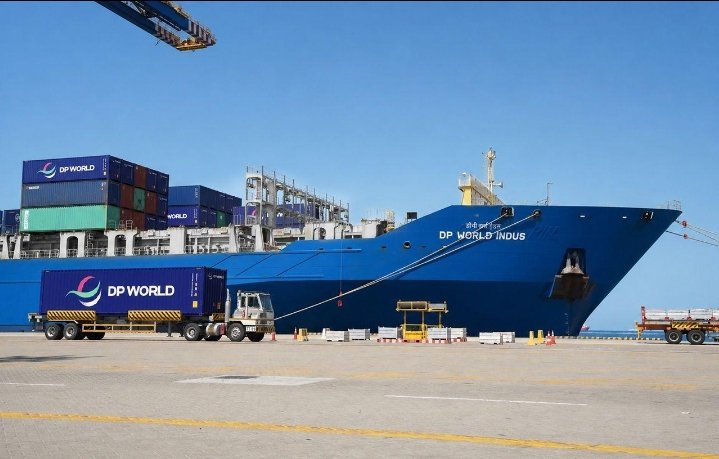
Logistics also remains an important consideration. Shipping connections between Indian and African ports have improved, but inland transportation can still add substantial costs in countries with large geographic areas and developing road and rail networks.
Indian companies may therefore find greater opportunities when they combine products with local service capabilities. Spare parts, maintenance, training and technical support can become important competitive advantages.
The growth of digital commerce is creating another route into African markets. Indian software companies, fintech businesses, education providers and digital service firms can serve African customers without physically shipping products across the ocean.
This makes India–Africa trade broader than merchandise exports.
Government-to-government relationships also play an important role. India has promoted economic cooperation with African countries through trade agreements, development partnerships, lines of credit and capacity-building programmes. These relationships can create networks that private companies subsequently use for commercial expansion.
The next phase could increasingly involve manufacturing partnerships rather than simple exports.
An Indian company entering an African market may eventually find it more efficient to assemble products locally, source certain components locally or establish a joint venture. Local production can reduce transportation costs and make the company more responsive to regional demand.
For African economies, such arrangements can potentially support technology transfer, employment and industrial development. For Indian companies, they can create a stronger and more permanent market presence.
The opportunity is particularly relevant for India’s medium-sized manufacturers. Many of these companies already possess manufacturing capabilities but lack the scale or brand recognition required to compete in the largest global markets.
Africa can provide a different path.
Instead of trying to become a global consumer brand overnight, a company can build a regional business around a specific product category. Industrial pumps, agricultural equipment, medical devices, electrical products and construction machinery are examples where technical capability may matter more than global brand recognition.
India–Africa trade is therefore entering a potentially broader phase. The relationship can evolve from the movement of finished goods toward manufacturing partnerships, technology cooperation and integrated supply chains.
For India, the opportunity is to make Africa a larger destination for its manufacturing and services capabilities. For African economies, the relationship offers access to a large manufacturing base, technology and business expertise.
The future of this trade relationship may ultimately depend not on the number of products India exports to Africa, but on how deeply Indian and African businesses become connected to each other’s production systems.