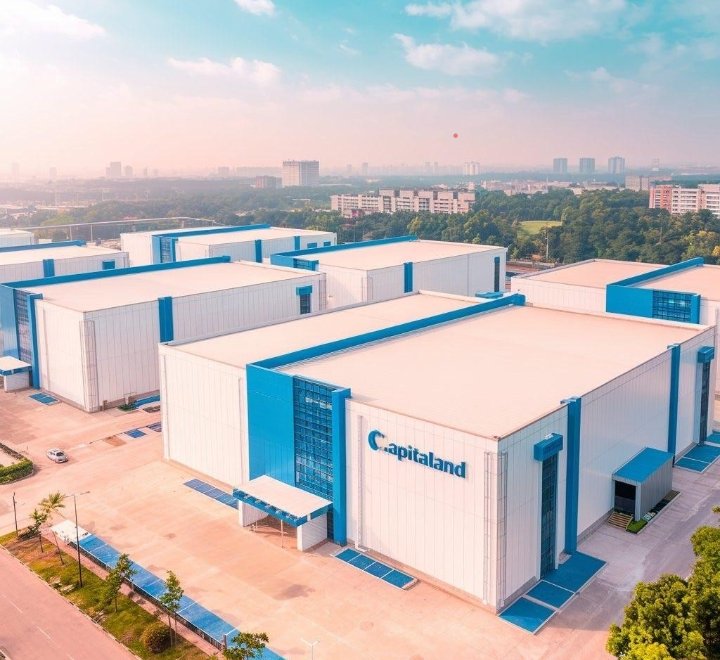
India’s digital economy is creating a new demand for something that has traditionally been associated with housing, offices and factories: strategically located land.
Data centres, cloud facilities, telecom exchanges and other digital infrastructure require physical space. But they cannot simply be placed anywhere. They need reliable electricity, high-capacity fibre connections, cooling systems, security, transportation access and suitable environmental conditions.
This combination is creating a new form of digital real estate.
The most valuable locations may increasingly be determined not only by proximity to customers or highways, but by proximity to power and connectivity.
A piece of land near multiple high-capacity fibre routes and reliable electricity infrastructure can have a very different economic value from land that is only a few kilometres away but lacks those connections.
This is particularly important for large data centres.
Their electricity requirements can be substantial, and their operations depend on continuous connectivity. Developers therefore have to consider power availability, grid capacity, fibre diversity and cooling conditions before selecting a location.
The result could reshape parts of India’s urban and industrial geography.
Regions that can provide reliable power and digital connectivity may attract data centres, cloud companies, financial technology firms and other data-intensive businesses. This can create additional demand for surrounding infrastructure and commercial activity.
But concentration can also create risks.
If too much digital infrastructure develops in a small number of locations, those regions can become critical points in the national digital network. A problem involving electricity, connectivity, flooding or another physical disruption could affect multiple facilities simultaneously.
The challenge is therefore not simply finding land for digital infrastructure.
India needs to identify locations that provide the right combination of power, fibre connectivity, water or cooling resources, physical security and geographic resilience.
This could make digital infrastructure an increasingly important factor in real estate and industrial planning.
In the past, businesses asked whether a location was close to a highway, railway or port.
Increasingly, another question will matter just as much:
How close is it to the digital infrastructure that powers the modern economy?