India has one of the world’s largest bridge networks, supporting highways, railways, urban transport and rural connectivity. These structures are expected to function safely for decades despite increasing traffic loads, changing weather patterns and gradual material deterioration. Yet bridge inspections continue to rely largely on periodic manual assessments, which may not detect problems developing between inspection cycles. India should adopt a policy that introduces continuous digital monitoring for major bridges across the country.
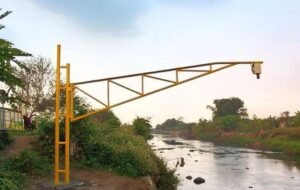
Modern bridge monitoring systems use networks of sensors permanently installed on critical structural components. These sensors measure vibration, strain, tilt, temperature, corrosion, displacement and traffic loading around the clock. Instead of waiting for visible cracks or structural damage, engineers receive continuous information about how the bridge behaves under real operating conditions.
Every bridge develops its own structural signature. As vehicles pass across it, the bridge bends, vibrates and responds to changing environmental conditions. Artificial intelligence can analyse these patterns over time and identify subtle deviations that may indicate fatigue, weakening joints, corrosion or foundation movement long before they become visible during routine inspections.
A National Bridge Digital Monitoring Mission could begin with expressways, railway bridges, coastal bridges and structures carrying heavy commercial traffic. These bridges represent critical transportation assets where unexpected failures would have significant economic and social consequences.
Each monitored bridge would transmit encrypted data to regional infrastructure monitoring centres. Engineers could observe structural performance through digital dashboards displaying live measurements, historical trends and predictive maintenance recommendations. Automated alerts would notify authorities whenever sensor readings exceed established safety thresholds.
Digital monitoring should not replace physical inspections but strengthen them. Instead of inspecting every bridge at fixed intervals regardless of condition, maintenance teams could prioritise structures showing measurable signs of deterioration. This approach improves resource allocation while reducing unnecessary inspection costs.
The monitoring programme should incorporate weather information alongside structural data. Heavy rainfall, floods, extreme temperatures, strong winds and seismic activity all influence bridge performance. Combining environmental information with structural measurements would provide a more complete understanding of infrastructure health.
India should encourage domestic manufacturing of bridge monitoring sensors, communication systems and analytical software. Developing indigenous technologies would reduce import dependence while creating opportunities for electronics manufacturers, engineering companies and software developers.
Universities and engineering institutions could establish specialised research centres dedicated to structural health monitoring. These centres would improve sensor technology, develop predictive algorithms and create analytical models tailored to India’s diverse bridge designs and climatic conditions.
Every monitored bridge should receive a continuously updated digital health score based on structural behaviour, maintenance history, environmental exposure and traffic loading. Transport authorities could use these scores to prioritise maintenance budgets, rehabilitation projects and future infrastructure investments.
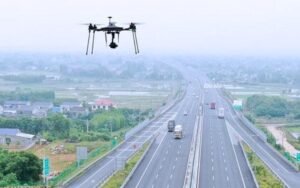
The system could integrate drones for visual inspections following unusual sensor readings. If structural behaviour changes unexpectedly, autonomous drones equipped with high-resolution cameras and thermal imaging systems could inspect difficult-to-access components without interrupting traffic.
Long-term data collection would transform bridge engineering across India. Instead of relying primarily on theoretical design assumptions, engineers would understand how bridges actually perform over decades of service. This knowledge would improve future bridge designs while extending the lifespan of existing infrastructure.
Insurance companies and infrastructure investors could also benefit from verified structural health information. Reliable performance data reduces uncertainty, improves risk assessment and supports more efficient financing of infrastructure projects.
The monitoring network should eventually expand beyond bridges to include tunnels, flyovers, elevated metro systems, dams and major public buildings. A unified structural monitoring platform would provide governments with continuous visibility into the condition of critical national infrastructure.
Bridge failures often result from gradual deterioration rather than sudden events. Small structural changes accumulate over many years before becoming serious safety risks. Continuous digital monitoring allows engineers to detect these changes early, making maintenance more effective and less expensive than emergency repairs.
As India continues to expand its transportation network, preserving existing infrastructure will become as important as constructing new assets. A nationwide bridge monitoring system would shift infrastructure management from reactive repairs to predictive maintenance, improving public safety, reducing lifecycle costs and strengthening the reliability of one of the country’s most important public assets.