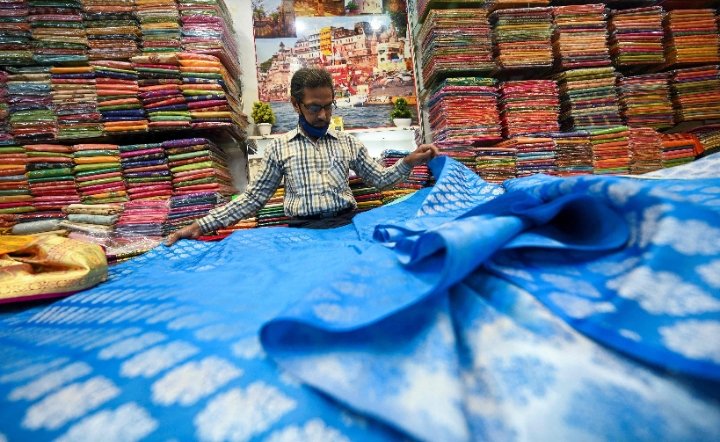
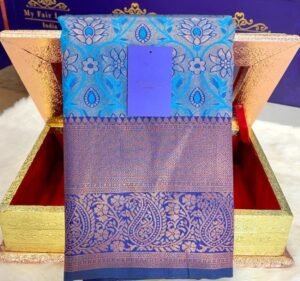
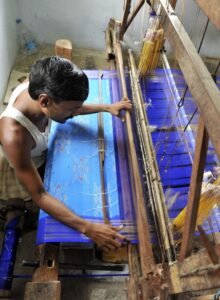
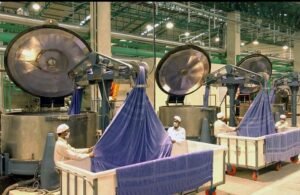
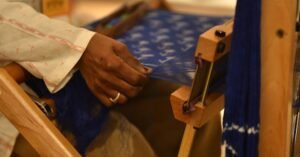
Varanasi has been the heart of India’s silk weaving tradition for centuries. Banarasi sarees are known across the world for their intricate zari work, luxurious silk, and timeless craftsmanship. Despite this global recognition, the ecosystem surrounding Banarasi weaving still faces structural challenges such as fragmented supply chains, inconsistent market information, dependence on intermediaries, and limited digital integration. Strengthening digital infrastructure can help Varanasi build a more resilient and competitive silk economy.
A unified digital platform for the Banarasi ecosystem could connect silk suppliers, zari manufacturers, dyeing units, weaving families, traders, exporters, designers, retailers, financial institutions, and government agencies. Instead of operating as isolated participants, every stakeholder would become part of a connected value chain.
Reliable broadband connectivity is the first requirement. High-speed internet enables weavers to communicate directly with customers, participate in international trade fairs virtually, attend skill development programmes, and collaborate with designers across the country. Digital access reduces the geographical limitations that have historically affected traditional industries.
One of the biggest opportunities lies in digital traceability. Every Banarasi saree could receive a unique digital identity linked to information about the weaving family, silk source, weaving duration, zari quality, production date, and certification records. Buyers would gain confidence in authenticity while counterfeit products become easier to identify.
Artificial intelligence can assist the industry by analysing consumer demand across domestic and international markets. Market trends, colour preferences, wedding season demand, export opportunities, and pricing behaviour can all be studied using digital data. Such information helps producers plan collections more efficiently without compromising traditional weaving techniques.
Cloud-based production management can improve coordination among weaving societies. Orders can be allocated based on production capacity, delivery schedules monitored in real time, and raw material requirements forecast more accurately. Small weaving enterprises gain access to organisational capabilities usually associated with larger manufacturers.
Digital payment infrastructure further improves financial stability. Faster payments reduce dependence on informal credit while providing artisans with better cash flow for purchasing silk yarn and other raw materials. Financial records generated through digital transactions also improve access to institutional lending.
The Banarasi ecosystem would also benefit from digital knowledge repositories. Historical motifs, weaving techniques, traditional border designs, and pattern archives can be preserved digitally for future generations. This protects cultural heritage while making it easier for young artisans to learn traditional methods.
Export competitiveness improves when logistics, certification, documentation, and customer communication are digitally integrated. International buyers increasingly expect transparency, professional documentation, and real-time shipment tracking. Digital infrastructure enables Varanasi to meet these expectations while maintaining its traditional identity.
Tourism also gains from digital connectivity. Visitors interested in Banarasi weaving can discover artisan workshops, schedule guided visits, explore digital exhibitions, and purchase authentic products directly from weaving families. Such experiences create additional sources of income while strengthening the city’s reputation as a global textile destination.
Varanasi has preserved one of India’s greatest textile traditions for generations. By investing in digital infrastructure that connects every participant in the silk ecosystem, the city can combine heritage with technology, improve economic resilience, expand exports, and ensure that Banarasi weaving continues to thrive in an increasingly digital global marketplace.