India is one of the world’s largest producers of steel and the industry remains central to the country’s infrastructure, manufacturing, automotive, engineering, construction, and energy sectors. Steel is also a major export commodity, supplying international markets with finished products, semi finished materials, and specialized industrial steel. As global supply chains become increasingly digital, India’s future competitiveness will depend not only on production capacity but also on the efficiency of its trade ecosystem. Building a national digital trade network for the steel industry can significantly strengthen India’s position in international markets.
Steel exports involve a complex chain of participants including manufacturers, testing laboratories, transport operators, ports, customs authorities, banks, insurers, freight forwarders, overseas buyers, and regulatory agencies. Much of the documentation exchanged between these participants remains repetitive and fragmented. A digital trade network would connect every stakeholder through a secure platform where verified information moves seamlessly throughout the export process.
Each shipment of steel could receive a unique digital identity. Production batches, chemical composition, mechanical properties, quality certifications, inspection reports, customs documentation, shipping records, and delivery status would be linked through one secure system. Overseas buyers would gain immediate access to trusted information before goods arrive at their destination.
Quality verification is particularly important in the steel industry because customers require products that meet strict engineering standards. Construction companies, automobile manufacturers, shipbuilders, railway operators, and machinery producers often specify precise technical requirements. Digital certification issued by accredited laboratories allows international buyers to verify compliance instantly, reducing disputes while increasing confidence in Indian products.
Artificial intelligence can improve export strategy by analyzing international demand, commodity prices, infrastructure investment, freight costs, and manufacturing activity across global markets. Exporters receive valuable insights into emerging opportunities and changing customer preferences, enabling better production planning and market selection.
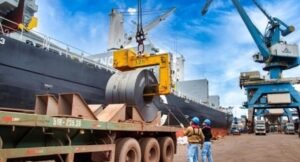
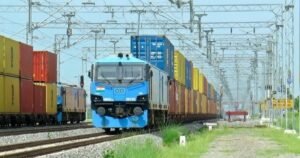
Digital logistics integration also improves efficiency. Steel products move through factories, warehouses, railway terminals, ports, shipping lines, and international distribution networks before reaching customers. Real time tracking allows exporters and buyers to monitor shipment progress continuously while improving coordination between logistics providers.
Small and medium steel manufacturers can also benefit from digital trade infrastructure. Many companies produce specialized products but have limited access to overseas customers. A national digital marketplace would allow verified manufacturers to present technical specifications, production capacity, certifications, and export capabilities directly to global buyers. This expands international market access without requiring large overseas sales networks.
Trade finance becomes more efficient when banks and financial institutions participate in the digital ecosystem. Verified shipment records and authenticated export documentation reduce processing times for export loans, letters of credit, insurance, and foreign exchange services. Improved financial efficiency strengthens liquidity across the steel industry.
Environmental performance is becoming increasingly important in international steel markets. Buyers now evaluate suppliers based on carbon emissions, energy efficiency, recycled material usage, and sustainability practices. A digital trade network enables manufacturers to share verified environmental performance data with overseas customers, strengthening access to markets that prioritize sustainable sourcing.
Customs procedures also become faster through digital integration. Exporters submit information once while authorized government agencies securely access the required records. Automated verification reduces administrative delays, minimizes documentation errors, and accelerates cargo movement through ports.
The platform should continuously provide exporters with market intelligence. Information relating to changing tariffs, international regulations, product standards, anti dumping measures, and infrastructure investments across global markets helps businesses respond more quickly to new trade opportunities.
Cybersecurity remains essential because steel trade involves commercially sensitive contracts, engineering specifications, pricing information, and customer data. Secure digital identities, encrypted communications, and resilient infrastructure protect every participant in the trade ecosystem while maintaining confidence in digital transactions.
India has developed world class steel manufacturing capabilities over several decades. The next stage of growth will require equally advanced digital trade capabilities that support transparency, efficiency, compliance, and customer confidence.
A national digital trade network for the steel industry would transform how Indian manufacturers engage with global markets. By integrating production, certification, logistics, finance, customs, and international buyers into one connected ecosystem, India can strengthen the competitiveness of one of its oldest industrial sectors while building a more resilient and efficient export economy.