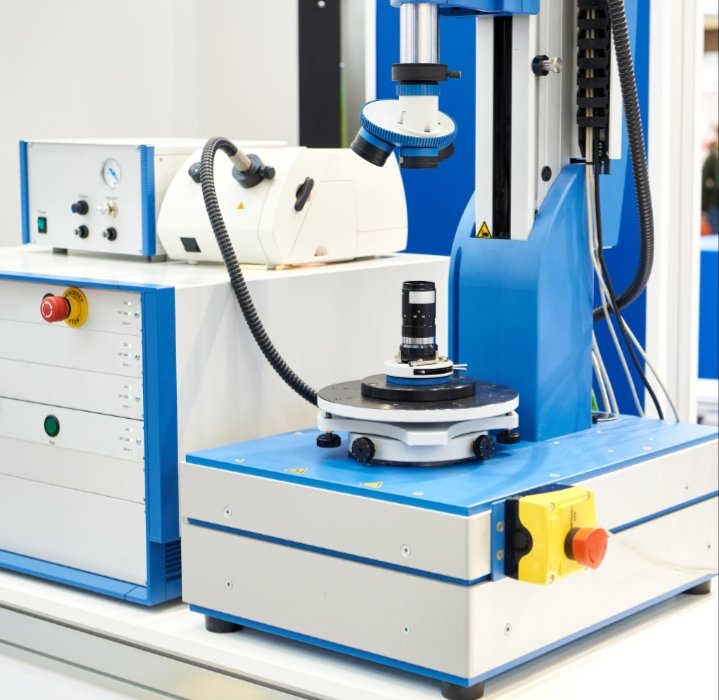
India’s scientific instruments industry supplies laboratories, hospitals, universities, research institutes, pharmaceutical companies, environmental agencies, and industrial manufacturers with precision equipment. Products ranging from microscopes and laboratory analyzers to testing instruments and measurement systems are increasingly finding international markets. As global demand for scientific equipment continues to grow, India has an opportunity to expand exports through a modern digital trade strategy that improves transparency, compliance, and international connectivity.
Scientific instruments are high value products that require detailed technical documentation, calibration records, quality certifications, regulatory approvals, and reliable after sales support. Traditional export processes often involve fragmented paperwork and disconnected information systems. A national digital trade platform can simplify these interactions while improving confidence among international buyers.
Every exported instrument can receive a secure digital identity. Manufacturing details, component specifications, calibration certificates, quality inspection reports, warranty information, export documentation, shipping records, and maintenance history can all be linked through one authenticated digital record. Overseas customers gain immediate access to trusted information throughout the product lifecycle.
Quality certification is especially important because scientific instruments must meet strict international standards for accuracy, reliability, and safety. Accredited laboratories and certification agencies can upload verified digital certificates directly to the trade platform. Buyers no longer need to wait for physical documentation, reducing transaction time while strengthening trust in Indian products.
Artificial intelligence can help exporters identify emerging opportunities by analyzing global investments in healthcare, pharmaceuticals, higher education, biotechnology, environmental monitoring, and industrial research. AI driven market intelligence enables manufacturers to prioritize high growth regions and tailor products to changing international demand.
Digital logistics integration further strengthens competitiveness. Scientific instruments often require specialized packaging, careful handling, insurance, and climate controlled transportation. Manufacturers, logistics providers, customs authorities, ports, airlines, and overseas distributors can coordinate through a common digital platform that provides continuous shipment visibility from factory to customer.
Small and medium sized manufacturers benefit significantly from digital trade infrastructure. Many companies produce highly specialized equipment but have limited international marketing networks. A government supported digital marketplace allows verified manufacturers to present technical specifications, certifications, production capabilities, and product catalogs directly to global buyers, expanding export opportunities without large overseas investments.
Trade finance also becomes faster and more efficient. Banks connected to the digital platform can electronically verify export documentation, enabling quicker approvals for export credit, insurance, foreign exchange services, and working capital. Faster financial processing improves liquidity and supports manufacturing expansion.
After sales support becomes a competitive advantage through digital connectivity. Customers can securely access installation manuals, software updates, calibration schedules, spare parts information, and technical assistance through the same platform. Reliable long term support strengthens customer confidence and encourages repeat business.
The digital ecosystem should also provide exporters with continuous updates regarding international regulations, laboratory standards, certification requirements, tariffs, and procurement opportunities. Access to timely market intelligence enables businesses to respond quickly to changing global conditions.
Cybersecurity is fundamental because scientific equipment exports involve proprietary designs, technical documentation, research applications, commercial contracts, and customer information. Secure digital identities, encrypted communications, and resilient infrastructure protect manufacturers and international buyers while maintaining trust in digital trade.
India has steadily expanded its capabilities in precision engineering, electronics, optics, and laboratory equipment manufacturing. The next stage of growth depends on complementing manufacturing excellence with world class digital trade infrastructure that reduces friction throughout international commerce.
A national digital trade strategy for the scientific instruments industry would connect manufacturers, testing laboratories, certification agencies, customs authorities, logistics providers, financial institutions, insurers, and global buyers through one integrated ecosystem. By combining advanced digital trade systems with high precision manufacturing, India can strengthen its position in global scientific equipment markets while building a stronger export economy driven by technology and innovation.