India has set ambitious renewable energy targets, but achieving these goals requires more than expanding solar parks and wind farms. The country also needs a robust quality assurance ecosystem that ensures renewable energy equipment performs reliably throughout its operational life. Establishing a National Renewable Energy Equipment Testing Network can strengthen manufacturing standards, improve investor confidence, reduce equipment failures and enhance India’s competitiveness in global clean energy markets.
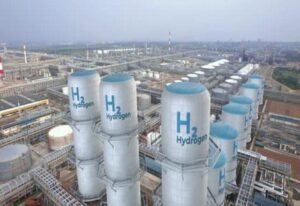
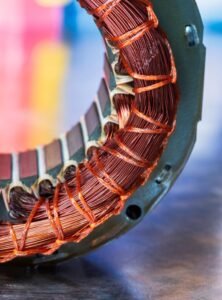
India manufactures a growing range of renewable energy equipment, including solar panels, inverters, batteries, wind turbine components, hydrogen equipment, electric motors and power electronics. These products are supplied by numerous manufacturers operating under varying production standards. A nationwide testing network can provide a common framework for verifying quality before equipment reaches the market.
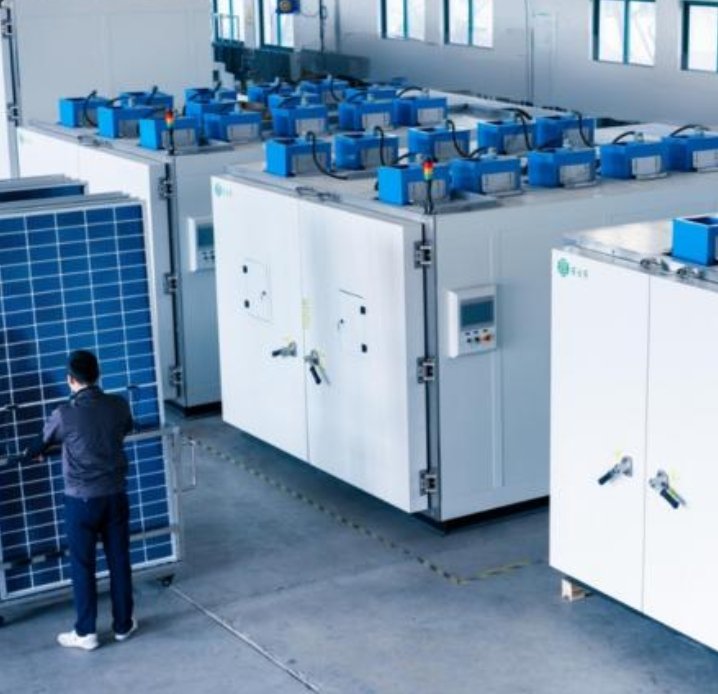
The network should consist of interconnected laboratories located across India’s major renewable energy manufacturing clusters. Each laboratory can specialize in different technologies, including photovoltaic modules, battery systems, wind turbine blades, hydrogen storage systems, power converters and grid integration equipment. This specialization allows India to build deep technical expertise while avoiding duplication of expensive testing infrastructure.
Industry 4.0 technologies can transform conventional testing laboratories into intelligent digital facilities. Every test conducted on renewable energy equipment can generate structured digital records that become part of a national quality database. Manufacturers, regulators and researchers can analyse this information to identify performance trends and recurring technical issues.
Artificial intelligence can improve equipment certification by analysing thousands of historical test reports. Machine learning models can identify hidden relationships between manufacturing processes and long-term equipment reliability. Instead of relying solely on pass or fail outcomes, certification agencies can provide predictive assessments of expected operational performance.
Digital twins offer another major opportunity. Manufacturers can submit digital models alongside physical equipment for testing. Engineers can compare simulated performance with laboratory results to improve product designs before commercial production begins. This reduces development costs while accelerating innovation.
A unified digital platform should connect every accredited testing laboratory in the country. Manufacturers could submit applications online, schedule testing, monitor progress and receive digital certificates through a single portal. Such a system would reduce paperwork while improving transparency.
Blockchain technology can strengthen equipment traceability. Every certified solar module, battery pack or wind turbine component can receive a secure digital identity linked to its manufacturing details, laboratory results and certification history. Buyers, investors and government agencies can verify product authenticity throughout its lifecycle.
Predictive analytics can also improve regulatory oversight. By analysing nationwide testing data, authorities can identify manufacturers experiencing declining quality performance before widespread failures occur. Early intervention reduces risks for renewable energy developers and financial institutions.
The testing network should support India’s export ambitions by ensuring laboratories meet internationally recognized accreditation standards. Equipment certified within India would gain greater acceptance in overseas markets, reducing dependence on foreign testing agencies while strengthening export competitiveness.
Public procurement programs can further benefit from digital certification. Government agencies purchasing renewable energy equipment for public infrastructure projects can verify compliance instantly using digital quality records rather than relying solely on paper documentation.
Universities and engineering institutions should become active partners within the testing network. Academic laboratories can conduct advanced material testing, reliability studies and performance research while training engineers in modern quality assurance techniques. Collaboration between industry and academia will accelerate innovation.
The network should also establish field performance monitoring programs. Sensors installed on certified equipment operating across India can continuously collect operational data. Comparing laboratory performance with field performance creates valuable feedback that improves future product development and testing methodologies.
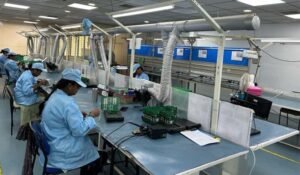
Small and medium-sized manufacturers often lack access to advanced testing facilities. A nationally coordinated network would provide affordable certification services, enabling smaller companies to compete on quality while encouraging innovation across the renewable energy supply chain.
Testing laboratories should increasingly adopt robotics and automation for repetitive inspection activities. Automated handling systems, machine vision technologies and intelligent measurement equipment improve testing accuracy while increasing laboratory productivity.
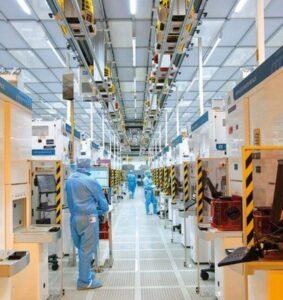
The National Renewable Energy Equipment Testing Network can also support India’s semiconductor, battery and power electronics industries by providing specialized facilities for testing advanced electronic components used in renewable energy systems.
Government policies should encourage collaboration among manufacturers, laboratories, certification agencies and technology companies. Financial incentives for laboratory modernization, digital infrastructure and research partnerships can accelerate the development of world-class testing capabilities.
As renewable energy technologies continue evolving, testing standards must also evolve. Artificial intelligence can continuously analyse global equipment performance, enabling Indian laboratories to update testing procedures as new technologies emerge.
India has the opportunity to become not only a manufacturer of renewable energy equipment but also a global leader in renewable energy quality assurance. A digitally connected testing network built on Industry 4.0 principles will improve product reliability, strengthen exports, increase investor confidence and support the country’s long-term clean energy ambitions. By treating testing infrastructure as strategic national infrastructure, India can create a trusted quality ecosystem that benefits manufacturers, consumers and the global renewable energy industry.