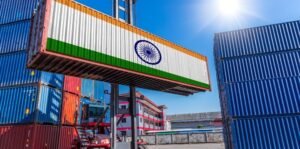
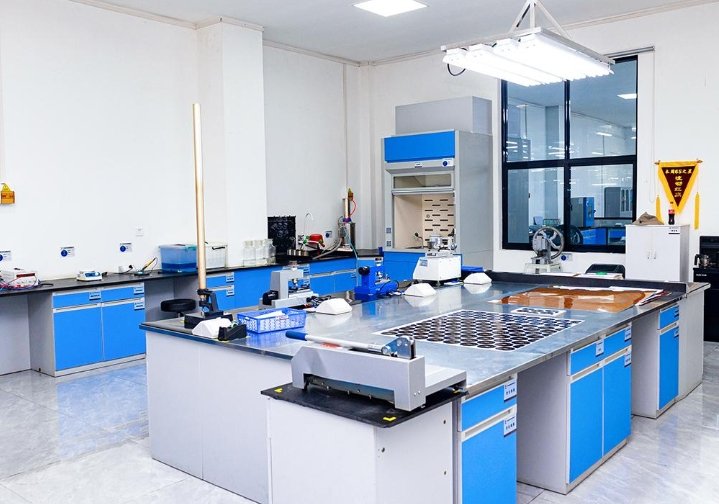
Every product traded internationally must satisfy technical standards before entering foreign markets. Electronics undergo electrical safety testing, medical devices require performance validation, automotive components are subjected to durability tests, food products are examined for contamination, and construction materials are verified for strength and quality. While manufacturing receives significant policy attention, testing and certification remain underdeveloped as strategic trade industries. India should position itself as the world’s leading destination for product testing, inspection and certification.
Global manufacturers spend billions of dollars every year proving that their products comply with national and international regulations. These services are often concentrated in a limited number of countries with advanced laboratory infrastructure. By expanding its testing ecosystem, India can generate export revenue without manufacturing every product that enters its laboratories.
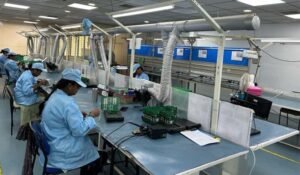
A National Product Testing Mission could establish internationally accredited laboratories across major industrial regions. These facilities would specialize in electronics, pharmaceuticals, automotive systems, renewable energy equipment, construction materials, industrial machinery, chemicals and consumer products. Companies from around the world could send products to India for evaluation before exporting them to global markets.
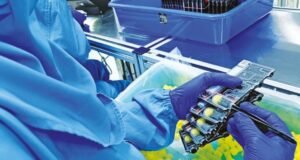
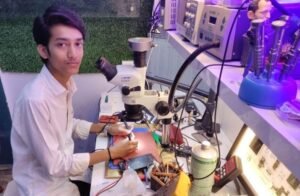
Testing laboratories should be organized into specialized clusters. Electronics testing centres could evaluate electrical safety, electromagnetic compatibility, battery performance and environmental durability. Automotive laboratories could perform crash simulations, emissions analysis, vibration testing and component reliability assessments. Separate facilities could focus on medical technologies, aerospace equipment and industrial machinery.
International accreditation is essential. Laboratories must comply with globally recognized quality systems so that test reports are accepted by regulators and buyers across multiple countries. India should invest in expanding accredited facilities capable of meeting the highest technical standards while reducing waiting times for manufacturers.
Modern testing increasingly depends on digital technologies. Artificial intelligence can analyse large volumes of performance data, identify manufacturing defects and improve testing efficiency. Digital product records can securely store certification history, laboratory results and compliance documentation, simplifying international trade.
India should also invest in advanced environmental simulation laboratories. Products destined for global markets often need to withstand extreme temperatures, humidity, dust, vibration, salt spray and prolonged operational stress. Facilities capable of reproducing these conditions would attract manufacturers seeking comprehensive product validation.
Universities should establish programmes in testing science, metrology, quality engineering and certification management. Developing a skilled workforce will support laboratory expansion while encouraging innovation in measurement technologies and industrial standards.
Government procurement can accelerate industry growth by encouraging public agencies to utilize accredited Indian laboratories wherever possible. Greater domestic demand would strengthen technical expertise before laboratories expand into international markets.
Testing infrastructure should extend beyond manufactured products. Agricultural exports require residue analysis, food safety testing and phytosanitary certification. Minerals require chemical analysis. Textiles undergo flammability and durability testing. A comprehensive national strategy would strengthen multiple export sectors simultaneously.
Digital platforms could allow manufacturers to book laboratory services, track testing progress and receive secure digital certificates through standardized online systems. Faster processing would improve India’s competitiveness as a global testing destination.
Research institutions should collaborate with laboratories to develop new testing methods for emerging technologies such as electric vehicle batteries, hydrogen systems, advanced composites, semiconductors and industrial robotics. Innovation in testing science can become a competitive advantage alongside laboratory capacity.
Trade agreements should encourage mutual recognition of Indian certifications with major export markets. When overseas regulators accept Indian laboratory reports without additional testing, exporters save time and reduce costs while strengthening India’s reputation as a trusted technical partner.
Small and medium enterprises would also benefit. Many exporters struggle with the high cost of overseas testing facilities. Expanding domestic laboratory capacity would make international certification more accessible, enabling smaller manufacturers to compete in global markets.
The testing industry generates highly skilled employment in engineering, chemistry, electronics, materials science, biotechnology and data analytics. Unlike many manufacturing activities, product testing depends on technical expertise and continuous innovation rather than low labour costs.
As global regulations become more demanding, manufacturers increasingly require reliable testing partners capable of meeting international standards. By investing in world-class laboratories, digital certification systems and technical talent, India can develop an export industry based on trust, scientific capability and quality assurance. Product testing and certification can become as strategically important to India’s trade future as manufacturing itself.