India’s railway system is one of the largest public transport networks in the world and has served the country for more than a century. It connects cities, towns, villages, ports, industrial zones, and agricultural markets while carrying millions of passengers and enormous volumes of freight every day. As the railway network expands through new corridors, high speed routes, and dedicated freight lines, governance must evolve alongside physical infrastructure. A comprehensive digital governance framework can improve transparency, operational efficiency, public accountability, and long term planning across the railway ecosystem.
A national digital governance platform would connect railway zones, stations, control centers, maintenance depots, freight terminals, signaling systems, regulators, suppliers, and policymakers through a single digital ecosystem. Instead of relying on isolated databases and departmental reporting systems, every operational unit would contribute to a common platform that supports real time decision making.
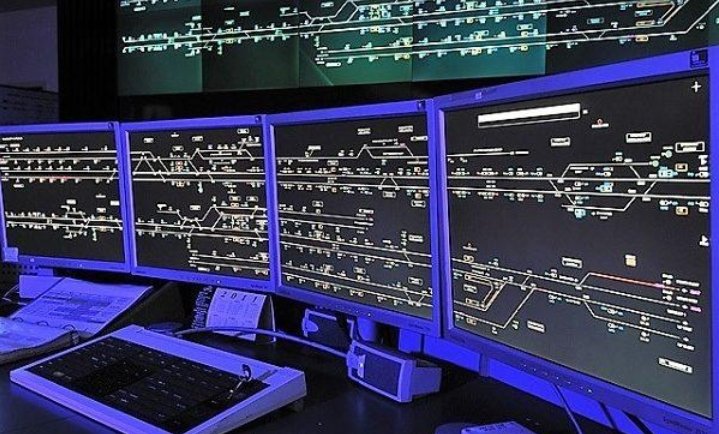
One of the most important benefits would be unified operational visibility. Railway administrators could monitor train movements, track availability, maintenance schedules, station operations, freight handling, passenger demand, and infrastructure performance from integrated digital dashboards. This allows quicker responses to disruptions while improving coordination across different regions.
Artificial intelligence can strengthen governance by analyzing operational data collected throughout the railway network. AI can identify congestion patterns, predict maintenance requirements, forecast passenger demand, optimize freight movement, and recommend timetable adjustments. These insights allow administrators to improve efficiency using objective data rather than relying only on historical experience.
Infrastructure management also becomes more effective. Rail tracks, bridges, tunnels, signaling equipment, overhead electrical systems, and stations require continuous inspection and maintenance. A digital governance platform records inspection histories, engineering reports, maintenance schedules, and equipment performance throughout the life of every asset. This enables preventive maintenance while reducing the likelihood of unexpected failures.
Freight operations represent another important opportunity. Railways move coal, steel, cement, agricultural products, automobiles, petroleum, and manufactured goods across the country. A unified governance system allows freight customers to track shipments, reserve capacity, monitor delivery schedules, and receive operational updates through secure digital services. Greater transparency improves confidence among industrial users while supporting economic growth.
Citizen engagement should also become an integral part of railway governance. Digital platforms can allow passengers to report infrastructure problems, sanitation issues, accessibility concerns, or service disruptions. Every complaint enters a transparent workflow where officials monitor progress until resolution. Such accountability strengthens public trust while improving service quality.
Financial governance can also improve through integrated digital systems. Revenue collection, procurement, infrastructure spending, maintenance budgets, and operational costs can be monitored through real time financial dashboards. Policymakers gain better visibility into expenditure patterns while supporting more effective resource allocation.
Safety remains the highest priority in railway administration. Digital governance enables continuous monitoring of signaling systems, track conditions, weather information, equipment performance, and emergency response capabilities. Integrated data helps authorities identify risks early and coordinate faster responses during operational incidents.
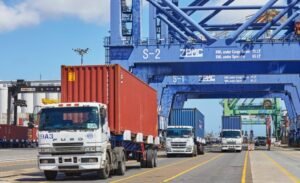
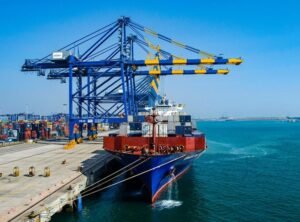
The railway system should also integrate with other national infrastructure. Digital connectivity with ports, airports, highways, logistics parks, customs authorities, and industrial corridors enables seamless freight movement across multiple transport modes. Such integration strengthens India’s logistics ecosystem while reducing transportation costs.
Cybersecurity is fundamental because railway operations form part of the country’s critical national infrastructure. Secure authentication, encrypted communication, continuous monitoring, and resilient backup systems protect operational technology while ensuring uninterrupted railway services.
Data generated by the governance platform can support long term infrastructure planning. Population growth, industrial expansion, freight demand, passenger travel patterns, and regional economic development can all be analyzed to identify priorities for future railway investments. Evidence based planning improves the efficiency of public spending while supporting balanced national development.
India’s railway network has evolved continuously for more than a century and remains one of the country’s greatest public assets. As trains become faster and logistics become more sophisticated, governance systems must become equally intelligent.
A digital governance framework for India’s railways is not simply about technology. It is about creating a transparent, data driven, and accountable public institution capable of managing one of the world’s largest transportation systems with greater efficiency and resilience. By integrating artificial intelligence, real time analytics, secure digital infrastructure, and connected public services, India can modernize railway governance while strengthening one of its oldest and most important national institutions.