India has set ambitious goals to become one of the world’s leading export economies. The country possesses a large manufacturing base, a skilled workforce, competitive service industries, and expanding global trade partnerships. Yet one of the biggest challenges facing Indian exporters is not the quality of products or market demand. It is the complexity of moving goods efficiently across the entire trade ecosystem.
Exports involve far more than manufacturing a product. A shipment typically passes through suppliers, transport companies, warehouses, ports, customs authorities, shipping lines, banks, insurers, freight forwarders, and overseas buyers. Every participant generates documents, approvals, invoices, inspections, and financial transactions. When these systems operate independently, delays become unavoidable.
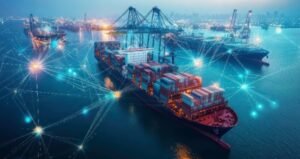
India should therefore focus on building Digital Trade Corridors that connect every major participant involved in exports through a secure and integrated digital infrastructure. Rather than treating ports, customs, logistics providers, banks, and exporters as separate entities, they should function as one connected digital ecosystem.
Many Indian exporters continue to spend considerable time managing documentation. Bills of lading, certificates of origin, insurance documents, customs declarations, inspection certificates, invoices, shipping instructions, and payment records often move across multiple digital and physical systems. Although digitalisation has improved significantly, complete integration remains a work in progress.
A Digital Trade Corridor would allow verified information to move seamlessly between authorised participants. Once an exporter uploads shipment information, relevant agencies could access the required data without repeated submissions. Customs officials, port operators, banks, insurers, shipping companies, and logistics providers would work from the same verified information, reducing duplication and administrative delays.
Artificial intelligence could further improve export operations. AI systems can identify documentation errors before shipments reach ports, predict congestion, optimise cargo movement, estimate delivery times, and recommend alternative logistics routes when disruptions occur. This allows exporters to respond quickly to changing conditions while reducing unnecessary costs.
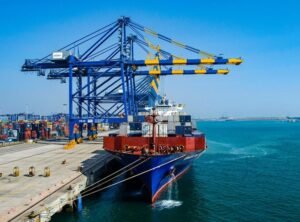
Ports remain the heart of India’s international trade. Modern container terminals already use advanced automation for cargo handling, vessel scheduling, and terminal management. Connecting these capabilities with inland logistics networks, customs systems, railway operations, and warehousing platforms would significantly improve cargo flow throughout the country.
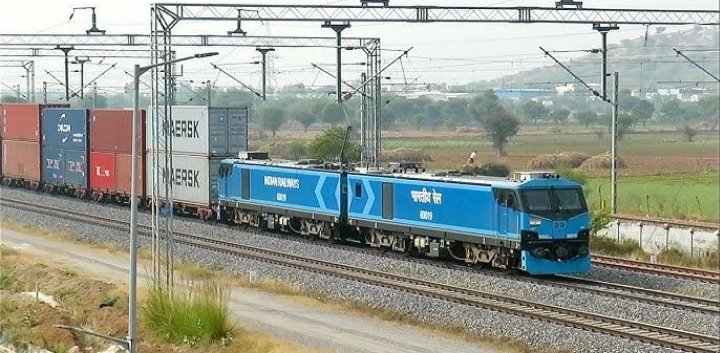
Railways also play a critical role in export competitiveness. Digital integration between freight trains, inland container depots, industrial parks, and ports can improve scheduling while reducing cargo waiting times. Exporters benefit from greater reliability, allowing them to meet international delivery commitments more consistently.
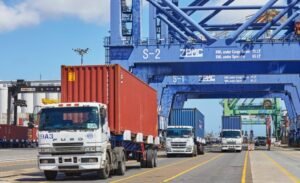
Road transportation should become part of the same digital ecosystem. GPS tracking, electronic toll systems, route optimisation, and real time traffic information can improve cargo movement between factories, warehouses, and ports. Logistics companies gain greater operational visibility while exporters receive more accurate shipment updates.
Banking integration is equally important. Export finance, foreign exchange transactions, letters of credit, insurance, and payment settlements should connect directly with digital trade platforms. Faster financial processing improves cash flow, particularly for small and medium exporters that depend on timely payments to sustain production.
Customs authorities would also benefit from digital trade corridors. Risk based inspection systems supported by artificial intelligence can identify high risk shipments while allowing compliant exporters to move goods more quickly. This improves both trade facilitation and border security without compromising regulatory oversight.
The pharmaceutical industry provides a strong example of the potential benefits. Medicine exports require strict regulatory documentation, quality certifications, temperature monitoring, and international compliance records. Digital trade corridors can connect manufacturers, regulators, logistics providers, customs authorities, and overseas buyers through secure information exchange, reducing delays while maintaining product integrity.
Agricultural exports can also benefit significantly. Fresh produce, seafood, spices, and processed foods often require rapid movement to preserve quality. Digital logistics platforms provide real time visibility across cold storage facilities, transport vehicles, ports, and international shipping networks, reducing spoilage and improving reliability.
India’s growing electronics, automotive, chemical, and engineering sectors increasingly compete in global supply chains where speed and predictability are major advantages. Buyers prefer suppliers capable of providing complete shipment visibility from factory to destination. Digital trade corridors strengthen India’s reputation as a reliable trading partner.
Small exporters often face greater administrative burdens than large corporations because they lack dedicated logistics departments. Integrated digital platforms simplify export procedures, making international markets more accessible for small and medium enterprises. This broadens India’s export base while encouraging entrepreneurship.
Cybersecurity must remain central to any digital trade strategy. Trade platforms contain commercially sensitive information regarding customers, pricing, contracts, financial transactions, and supply chains. Secure encryption, identity verification, continuous monitoring, and resilient digital infrastructure are essential for maintaining confidence among domestic and international trading partners.
Government agencies, ports, banks, logistics providers, technology companies, and exporters must work together to establish common digital standards. Interoperability is essential. Systems developed independently should still communicate securely through shared protocols, ensuring that information flows efficiently across the trade ecosystem.
Global trade is becoming increasingly digital. Countries that combine efficient logistics with advanced digital infrastructure will enjoy stronger competitiveness, lower transaction costs, and greater resilience during supply chain disruptions. India has already demonstrated global leadership in digital public infrastructure. Applying the same philosophy to international trade can accelerate export growth across multiple sectors.
Digital Trade Corridors are not simply technology projects. They are strategic economic infrastructure. By connecting every participant involved in exports through secure digital platforms, India can reduce costs, improve transparency, strengthen global competitiveness, and position itself as one of the world’s most efficient trading nations.