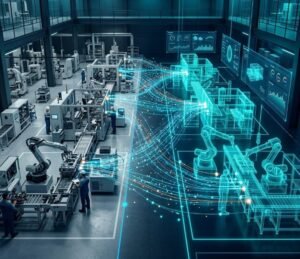
Digital twins are virtual representations of physical assets, production processes and infrastructure systems. They can help businesses simulate operating conditions, identify inefficiencies, predict equipment failures and test alternative designs without disrupting physical operations. However, developing and maintaining digital twins can require expensive software, specialised expertise, engineering data and computing resources that smaller businesses may not possess.
A digital twin access platform could make these capabilities available through shared infrastructure. Instead of every business building its own simulation environment, industrial operators could provide controlled access to selected digital models, engineering simulations and analytical tools through a common marketplace.
The concept involves issuing digital tokens that represent defined access rights. A token might grant a manufacturer a specified number of simulation runs, a limited period of access to a machine model, a quantity of computing resources or permission to use a validated engineering dataset. Each entitlement would specify its duration, usage limits, permitted applications and applicable fees.
For example, a small manufacturing business could access a digital twin of a production line to test different operating schedules before changing its physical processes. A cold-storage operator could simulate refrigeration loads, while a water-treatment facility could evaluate alternative operating conditions. Researchers and engineering service providers could offer specialised models to multiple customers without duplicating the entire development effort for each project.
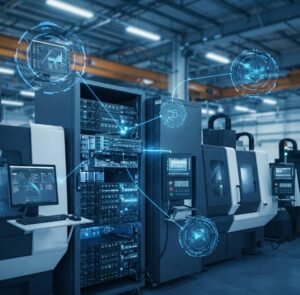
Industry 4.0 technologies would support the platform through IoT integration, cloud computing, industrial data pipelines and secure identity management. Live sensor data could update authorised digital twins, while AI-assisted simulation could help users examine scenarios and identify potential bottlenecks. Usage metering would record computing consumption and access entitlements, allowing service providers to price their resources transparently.
The business could earn revenue through simulation credits, subscriptions, pay-per-run services, model licensing and integration contracts. Additional services could include digital-twin development, data preparation, model validation and specialised engineering consultancy.
A practical starting point would be a narrow industry application, such as energy optimisation in cold-storage facilities or machine utilisation in small manufacturing clusters. The platform could recruit a few engineering partners, establish clear model-quality standards and provide customers with access to selected simulations through a conventional web interface. Demand should be validated before investing in a large marketplace.
The main challenges involve data confidentiality, intellectual property, interoperability and model reliability. A digital twin is only as useful as its assumptions, data quality and validation. Customers must understand the limitations of simulations, while sensitive production information should remain protected through access controls, encryption and carefully defined licensing terms.
Tokens need not be traded cryptocurrencies. They can function as ordinary digital service credits or contractual access entitlements. A conventional database and metering system may be sufficient at the beginning; distributed-ledger technology should be introduced only if it solves a genuine coordination problem between independent providers.
The long-term opportunity is to create a shared industrial intelligence infrastructure where businesses can access not only physical machinery but also the simulations, data and computing capabilities needed to operate it more efficiently. By making digital twins available as a measurable service, the model could lower barriers to industrial innovation and help smaller enterprises adopt Industry 4.0 technologies.