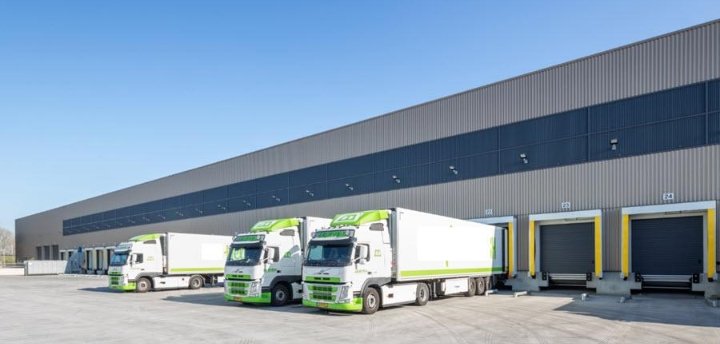
Warehousing is a significant cost for manufacturers, wholesalers, retailers and small businesses. Companies often lease more space than they immediately need to secure reliable storage, while other warehouse operators have vacant areas, unused pallet positions or underutilised loading facilities. A digital marketplace for warehouse space could connect these fragmented resources and make logistics infrastructure more accessible.
The concept involves creating digital units representing defined contractual rights to use warehouse space for a specified period. A unit could correspond to one pallet position for a week, a designated area for temporary inventory, a reserved loading-bay slot or a short-term storage allocation. Each entitlement would specify the location, permitted goods, handling conditions, access arrangements and applicable charges.
A digital platform would allow warehouse operators to list available capacity and businesses to search for suitable space based on location, price, security, storage conditions and transport connectivity. Instead of negotiating separate long-term leases, customers could reserve capacity for shorter periods according to their actual requirements.
Industry 4.0 technologies could improve the reliability of this marketplace. Warehouse management systems could track inventory and occupancy, while barcode scanners, RFID readers and IoT sensors could record goods movement and environmental conditions. Artificial intelligence could forecast demand, recommend suitable facilities and identify capacity likely to become available. Digital dashboards would help operators manage bookings, utilisation and revenue across multiple sites.
The business model could generate revenue through booking commissions, subscriptions for warehouse operators, inventory-management services and logistics coordination fees. Additional services could include cargo insurance facilitation, packaging, order fulfilment, refrigerated storage and last-mile delivery arrangements.
The opportunity is particularly relevant to businesses facing seasonal demand. Agricultural traders may need additional space after harvest, retailers may require temporary inventory capacity during festivals, and manufacturers may need short-term storage before dispatching finished goods. A distributed network could allow these businesses to access existing facilities rather than construct new warehouses or commit to long leases.
A pilot could begin with a small network of warehouses within one industrial or commercial cluster. Participating operators would provide verified capacity information, while the platform would standardise booking terms, payment processes and inventory records. The initial service could focus on ordinary dry storage before expanding into specialised facilities requiring temperature control, hazardous-goods handling or other specific compliance measures.
The main challenges involve ensuring that listed capacity is genuinely available, maintaining accurate inventory records and establishing clear responsibility for loss, damage, access and delayed collection. Warehouse space is not interchangeable: location, fire safety, structural suitability, security and handling equipment can determine whether a facility is appropriate for particular goods.
Tokens should therefore represent enforceable service entitlements rather than speculative claims over property. A conventional digital booking credit may be sufficient for the initial model. Any transferable or investment-oriented token structure would require separate legal assessment and would not automatically confer a property right.
Over time, the platform could become a distributed logistics operating system connecting warehouses, transport providers, inventory owners and fulfilment services. By turning spare warehouse capacity into a searchable and bookable resource, the model could improve asset utilisation, reduce storage barriers for small businesses and create a new digital infrastructure layer for regional commerce.