
Land is one of Kerala’s most valuable economic resources, yet its potential remains underutilised. Properties lie vacant, agricultural holdings remain uncultivated, commercial buildings stand empty, and public assets sometimes remain unused for years. At the same time, entrepreneurs struggle to find affordable spaces, farmers face difficulties expanding production, and local governments require land for infrastructure and public services. This contradiction points to a critical governance challenge: Kerala needs to make better use of the land it already has.
The problem is not simply a shortage of land. It is the absence of an integrated system that connects available properties with productive opportunities while protecting ownership rights, environmental interests, and community needs.
Kerala’s high population density, fragmented landholdings, complex inheritance arrangements, and rising property prices make land utilisation particularly challenging. Several owners may possess adjoining parcels without having the financial resources or collective arrangements necessary to develop them. Meanwhile, potential investors may be willing to establish businesses but lack reliable information about suitable locations, ownership status, infrastructure, and permitted land use.
A comprehensive land governance strategy must bridge this gap.
The first priority should be creating a verified digital inventory of land across the state. Government departments, local self-government institutions, agricultural agencies, and public-sector organisations could coordinate their records to identify vacant properties, underutilised public assets, abandoned agricultural holdings, and unused commercial premises. Geographic Information Systems can map these properties according to location, accessibility, utilities, existing use, environmental sensitivity, and development suitability.
Such an inventory would provide local governments with a clearer understanding of the resources available within their jurisdictions. Entrepreneurs could identify suitable locations, farmers could discover opportunities to lease additional land, and public agencies could assess whether existing assets can meet infrastructure requirements before acquiring new properties.
However, digital records must be supported by verification of ownership, legal claims, encumbrances, and land-use restrictions. Technology should improve transparency and accessibility without undermining legitimate property rights.
A second priority is the establishment of voluntary land banks. These would function as organised platforms connecting landowners with potential users through leases, partnerships, and other legally permitted arrangements. Rather than requiring the government to purchase every property, land banks could facilitate agreements that allow owners to generate income from assets they cannot independently develop.
For example, neighbouring landowners could voluntarily pool their properties for an agricultural processing facility, a storage centre, or a common production workspace. Instead of selling their holdings, they could participate through rental agreements or structured partnerships. Such arrangements would help overcome fragmentation while allowing owners to retain agreed rights over their land.
Local governments could coordinate these arrangements, identify infrastructure requirements, facilitate negotiations, and ensure that agreements remain transparent. Independent valuations, clear contracts, fair compensation, and accessible dispute-resolution mechanisms would be essential.
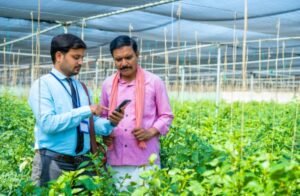
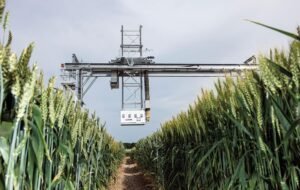
Land governance must also connect available properties with specific economic activities. Agricultural land suitable for cultivation could be linked with farmer collectives, cooperatives, and agricultural enterprises. Appropriate commercial properties could accommodate small businesses, training centres, professional services, and local entrepreneurship. Suitable industrial sites could support food processing, fisheries infrastructure, logistics, and renewable energy projects, subject to applicable regulations.
This approach would transform land administration from a largely transactional process into an economic development instrument. Instead of merely recording ownership and processing applications, institutions could actively identify opportunities to generate employment, improve productivity, and strengthen local economies.
Private investment can play a significant role in this transformation. Landowners may possess valuable property but lack capital, technical expertise, or access to markets. Investors may have the resources to establish enterprises but struggle to secure suitable locations. Bringing these groups together through transparent partnerships could create mutually beneficial opportunities.
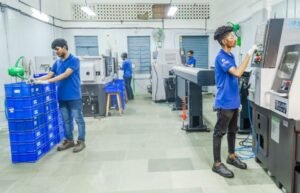
Consider a regional food-processing cluster. Several landowners could make suitable properties available through voluntary leases, while private enterprises invest in machinery and production. Common infrastructure could provide storage, water management, waste treatment, transportation access, and other shared services. Participating businesses would benefit from lower infrastructure costs, landowners would receive agreed returns, and local residents could gain employment.
Such developments should be evaluated against measurable outcomes, including investment mobilised, jobs created, property utilisation, and benefits to surrounding communities. Public-private partnerships must not become vehicles for speculative acquisition or the displacement of vulnerable landowners.
Local self-government institutions should coordinate these efforts through periodic land-use opportunity plans. Panchayats and municipalities could identify properties requiring verification, potential sites for productive activities, infrastructure gaps, and areas where conservation should take priority. Their plans should align with statutory land-use regulations and broader regional development objectives.
Accountability would be strengthened through public reporting of verified properties, agreements facilitated, projects operationalised, and economic outcomes achieved. Performance assessment must focus on actual results rather than the number of properties entered into a database.
Equally important is ecological protection. Kerala’s wetlands, paddy fields, forests, floodplains, and coastal ecosystems provide essential services, including flood mitigation, water security, biodiversity conservation, and climate resilience. Efficient land utilisation cannot mean indiscriminate construction or the conversion of ecologically sensitive areas. Land suitable for economic development must be distinguished from land that should be protected, restored, or managed for conservation.
A responsible framework could also encourage landowners to participate in ecological restoration and other environmentally beneficial activities, where appropriate. The objective should be to maximise long-term social value rather than immediate commercial returns alone.
Kerala needs to move towards integrated, transparent, and outcome-oriented land governance. A verified digital inventory, voluntary land banks, shared development arrangements, private investment partnerships, and accountable local planning can unlock opportunities hidden within underutilised properties.
Land should not be viewed merely as an asset to own or a commodity to sell. It is a resource that can support livelihoods, enterprise, public infrastructure, and ecological security. By connecting available land with legitimate needs and responsible investment, Kerala can strengthen its economy without assuming that every development opportunity requires acquiring more land.