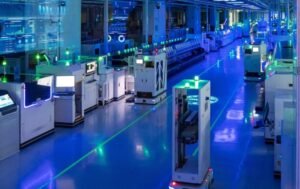
Digital monitoring can transform how Kerala plans, manages, and evaluates its industrial infrastructure. By collecting real-time data on machinery, production, energy use, employment, raw materials, and financial performance, governments and businesses can move beyond measuring expenditure and instead assess the actual outcomes of development investments.
A common digital platform could connect industrial facilities, cooperatives, machinery-sharing centres, agro-processing units, and local enterprises. Each participating facility would report standardised indicators, allowing decision-makers to identify underutilised assets, operational bottlenecks, rising costs, and opportunities for expansion.
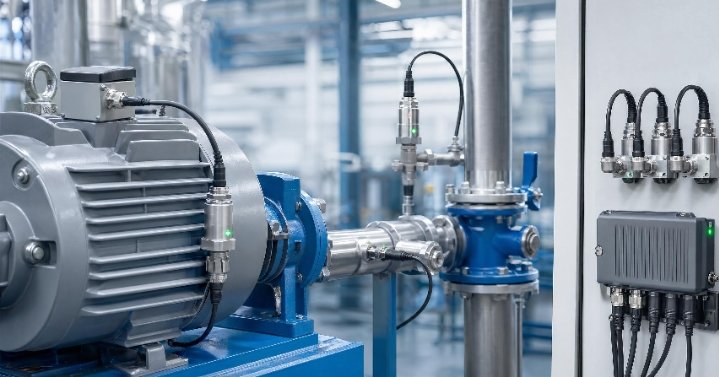
The system should measure machinery utilisation, production output, raw-material wastage, energy consumption, water use, maintenance downtime, product quality, operating costs, revenue, and employment generated. For agricultural processing, it could also track farmer payments, seasonal procurement, processing yields, and the proportion of produce converted into higher-value products.
Data collected through sensors, machine controllers, digital transactions, and periodic inspections could feed into dashboards for facility managers, investors, cooperatives, and public authorities. Role-based access would protect commercially sensitive information while enabling transparent reporting of publicly funded projects.
Metrics must be designed around the objectives of each project. A shared machinery centre should be evaluated on equipment utilisation, the number of enterprises served, service affordability, and operating sustainability. An agro-processing facility should also be assessed on product quality, processing efficiency, market access, and improvements in producer income. Public investments should demonstrate measurable benefits rather than merely report the number of machines purchased or facilities constructed.
A reliable evaluation framework should establish baseline measurements before implementation and compare subsequent performance against clearly defined targets. Independent audits and periodic field verification would help prevent inflated reporting, inaccurate data, and incentives to prioritise easily measured indicators over meaningful outcomes.
For Kerala, the next step could be a pilot digital monitoring system across selected cooperative and industrial facilities. Standardised metrics, interoperable software, and transparent performance reviews could help scale successful projects while identifying underperforming investments early.
The objective is to create an industrial ecosystem in which decisions are guided by evidence, assets are used efficiently, public funds generate demonstrable value, and continuous evaluation improves productivity, accountability, and sustainable development.