Kerala’s natural ecosystems provide enormous economic and social value, yet much of this value remains invisible in conventional development planning. Wetlands reduce flooding, forests regulate water flows, mangroves protect coastlines, agricultural landscapes support pollinators, and healthy rivers sustain communities and businesses. These benefits are essential to the economy, but they are rarely measured systematically or incorporated into local investment decisions.
Ecological value addition offers a new approach to governance. It seeks to identify, measure, protect, and enhance the economic value generated by natural ecosystems while ensuring that their ecological functions remain intact. Rather than viewing nature merely as land available for construction or extraction, this approach recognises ecosystems as productive assets that support long-term development.
The first step is to identify the ecological services provided by different landscapes. Panchayats and municipalities can work with environmental researchers, agricultural institutions, and technology companies to map wetlands, forests, water bodies, coastal ecosystems, biodiversity corridors, and agricultural areas. Geographic Information Systems, satellite imagery, and field assessments can help establish the condition of these ecosystems and identify the benefits they provide.
Such assessments could examine floodwater retention, groundwater recharge, carbon storage, soil conservation, biodiversity, pollination, and coastal protection. By assigning appropriate indicators and, where scientifically justified, monetary estimates, governments can begin incorporating ecological value into planning and budgeting. These estimates must remain transparent and should not imply that every ecological benefit can be reduced to a financial price.
A major opportunity lies in connecting ecological conservation with local economic participation. Landowners and communities often bear the immediate costs of protecting environmentally valuable areas while the wider public receives the benefits. Mechanisms are therefore needed to distribute these benefits more fairly.
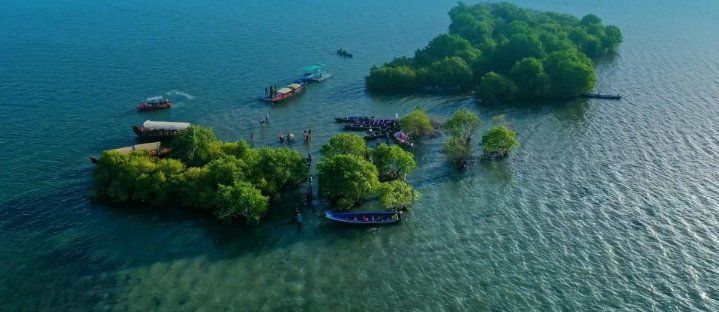
For example, a community that protects a wetland may help reduce flooding in neighbouring settlements. A farmer who maintains pollinator-friendly agricultural practices may support productivity across a wider farming landscape. A coastal community that restores mangroves may strengthen natural protection against storms and erosion. Public programmes, conservation agreements, and carefully designed payments for ecosystem services could reward these contributions where measurable benefits and suitable legal arrangements exist.
Local governments can play a coordinating role by identifying beneficiaries, establishing conservation priorities, and designing transparent agreements. Funding could come from public budgets, corporate social responsibility initiatives, philanthropic institutions, and businesses whose activities depend on healthy ecosystems. Private funding should complement, rather than replace, the public responsibility to protect essential natural resources.
Another opportunity is the development of ecological service enterprises. Local entrepreneurs, cooperatives, and community organisations could undertake native tree restoration, watershed management, biodiversity monitoring, soil improvement, invasive species management, and scientific ecological surveys. Young people could be trained in GIS mapping, environmental data collection, habitat assessment, and restoration techniques.
This would create a new category of employment connecting environmental protection with technical skills and local enterprise. Universities and research institutions could establish standards, train workers, and evaluate outcomes, while local businesses deliver services under clearly defined contracts.
Ecological value addition can also strengthen Kerala’s agricultural economy. Pollinator conservation, soil health improvement, water-efficient farming, agroforestry, and landscape restoration can improve the resilience of agricultural production. Farmer collectives could coordinate these activities across neighbouring holdings, making it easier to implement interventions that individual farmers cannot undertake effectively on their own.
Carbon finance presents another potential source of funding, particularly for scientifically verified projects that deliver additional and measurable greenhouse gas reductions or removals. However, carbon credits should not be treated as automatic revenue from every tree plantation or conservation activity. Projects require credible baselines, monitoring, verification, safeguards against double counting, and appropriate arrangements for distributing income. Protecting existing ecosystems remains essential even when carbon revenue is unavailable.
For implementation, Kerala could pilot ecological value addition programmes in selected panchayats representing wetlands, agricultural watersheds, forests, and coastal environments. Each pilot could establish an ecological baseline, identify priority services, estimate the costs of conservation, map beneficiaries, and test suitable funding mechanisms.
Public dashboards could report measurable outcomes such as restored habitat, improved water quality, reduced soil erosion, biodiversity indicators, and community income generated through ecological activities. Independent assessments would help ensure that funding rewards genuine environmental improvements rather than activities that produce impressive reports without meaningful results.
Strong safeguards are essential. Ecological valuation must not become a means of transferring community resources to private interests, restricting legitimate customary rights without due process, or encouraging speculative land transactions. Environmental laws, public consultation, scientific standards, and equitable benefit-sharing must remain central to the system.
Kerala has an opportunity to make ecological protection an integral part of economic planning. By measuring ecosystem services, rewarding conservation, developing ecological enterprises, and mobilising responsible investment, the state can create livelihoods while strengthening environmental resilience.
The objective is not to put a price on every aspect of nature. It is to make the value of nature visible in public decisions, ensure that those who protect ecosystems are recognised, and direct development finance towards activities that sustain both the environment and the economy.