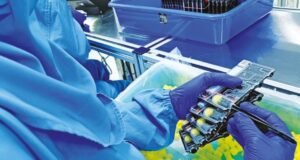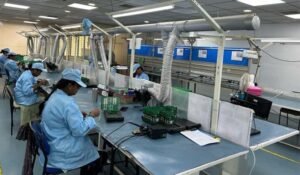
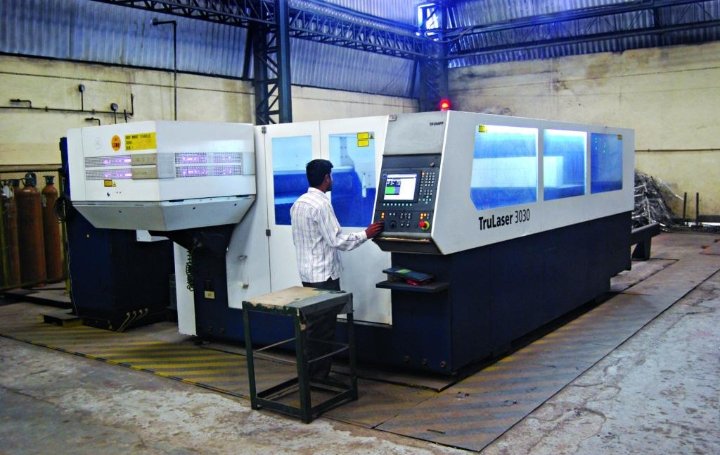
Kerala has an opportunity to pursue a different model of industrial development, one that combines advanced manufacturing, high-value products, technological innovation, and environmental protection. Rather than attracting industries that depend on large land acquisitions, intensive resource extraction, and pollution-intensive production, the state can build a manufacturing economy around precision engineering, clean technologies, advanced materials, electronics, medical equipment, and specialised products with high economic value per unit of land and energy.
The central principle is simple: industrial growth should increase economic productivity without destroying the natural systems on which communities depend.
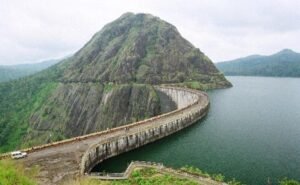
For a state with limited land availability, valuable agricultural landscapes, sensitive coastal ecosystems, and high population density, this approach is particularly relevant. Kerala does not need to replicate every stage of industrialisation followed by larger states. It can selectively develop industries that generate skilled employment, export revenue, technological capabilities, and local enterprise opportunities while maintaining strict ecological safeguards.
High-end manufacturing offers an opportunity because the economic value of a product does not necessarily depend on the volume of raw materials consumed. A precision instrument, advanced sensor, medical diagnostic device, specialised electronic component, or industrial control system can command substantial value through engineering, design, software, quality assurance, and intellectual property. Such products can generate significant economic output from comparatively compact facilities, although their environmental impacts must still be assessed across the entire supply chain.
The first requirement is to identify manufacturing sectors suited to Kerala’s geographical and ecological conditions. Precision engineering, robotics components, medical technology, laboratory instruments, industrial automation, electric mobility components, renewable-energy equipment, and specialised machinery could be considered. These industries can benefit from Kerala’s educational institutions, technical workforce, transport connectivity, and access to national and international markets.
The objective should not be to attract every possible industry. It should be to select sectors that match the state’s capabilities and environmental priorities.
Industrial location planning is equally important. Instead of converting agricultural land, wetlands, forests, or ecologically sensitive areas into industrial estates, governments should prioritise suitable brownfield sites, existing industrial areas, and underutilised commercial properties where redevelopment is legally permissible. Geographic Information Systems can help identify locations based on transport access, electricity availability, water requirements, environmental constraints, and proximity to skilled workers.
This would allow industrial development to be planned around existing infrastructure rather than creating new ecological pressures through uncontrolled expansion.