
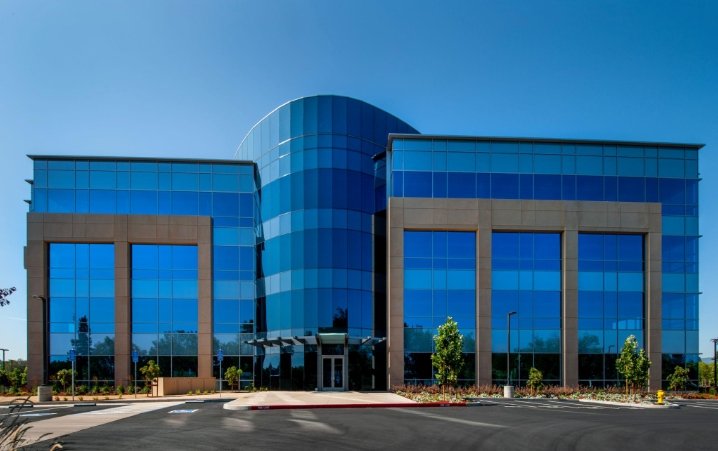
Real estate has long been one of the most attractive investment classes, but it has also remained one of the least accessible. Purchasing commercial buildings, office spaces, warehouses or residential properties typically requires substantial capital, making participation difficult for individual investors. Property transactions also involve extensive paperwork, multiple intermediaries and limited liquidity. Web3 technology introduces a new model through a Tokenized Real Estate Investment Marketplace that enables fractional ownership, transparent transactions and digital asset management.
The marketplace converts real estate assets into blockchain-based digital tokens. Instead of purchasing an entire property, investors buy small fractions represented by tokens. Each token corresponds to a defined ownership share or economic interest in the property. This allows investors to participate in premium real estate projects with significantly lower capital requirements.
Property developers can raise capital more efficiently by tokenizing commercial offices, shopping centres, industrial parks, hotels, logistics warehouses or apartment complexes. Rather than depending entirely on banks or institutional investors, developers can access a much broader pool of investors through regulated digital marketplaces.
Every ownership record is securely stored on the blockchain. Transactions become transparent because every transfer of ownership is permanently recorded. Investors can verify the ownership history of a property without relying solely on centralized databases or lengthy document verification processes.
Smart contracts automate many administrative activities. Rental income collected from tenants can be distributed automatically to token holders according to their ownership percentage. Property management fees, maintenance expenses and tax obligations can also be calculated automatically through programmable contracts, reducing administrative costs.
Artificial intelligence enhances investment analysis by evaluating property prices, rental demand, occupancy rates, local economic conditions and demographic trends. Investors receive detailed forecasts regarding expected returns, market risks and long-term appreciation before making investment decisions.
AI also assists property managers by predicting maintenance requirements. Building systems such as elevators, air conditioning equipment and electrical infrastructure generate operational data that AI analyzes to schedule preventive maintenance before failures occur. This reduces operating costs while preserving property value.
Liquidity represents one of the greatest advantages of tokenization. Traditional real estate investments often require months to sell. Tokenized ownership interests can be traded on regulated digital exchanges, allowing investors to enter or exit investments more efficiently without requiring the sale of the entire property.
Commercial leasing becomes more transparent through blockchain. Lease agreements, payment records and contract renewals are securely stored, reducing disputes between landlords and tenants. Smart contracts automatically enforce lease conditions and notify both parties before contract expiration.
Institutional investors can diversify their portfolios more effectively by investing in tokenized properties across multiple cities and sectors. Instead of concentrating capital in a small number of buildings, investment funds can spread their exposure across office spaces, healthcare facilities, logistics centres and hospitality assets.
Retail investors also gain access to opportunities that were previously unavailable. Young professionals, small business owners and first-time investors can gradually build diversified real estate portfolios without requiring substantial upfront investments.
Banks continue to play an important role by providing mortgage financing, custody services and regulatory compliance. Rather than replacing financial institutions, blockchain improves efficiency while allowing banks to offer new digital investment products.
Governments can benefit from improved transparency in property ownership records. Land registration, ownership transfers and tax collection become more efficient when supported by secure blockchain infrastructure. Digital records reduce disputes while improving confidence in property transactions.
Cybersecurity remains essential because digital property ownership represents valuable financial assets. Secure wallets, encryption, multi-signature authorization and continuous monitoring protect investor assets while maintaining the integrity of ownership records.
India offers enormous opportunities for tokenized real estate. Rapid urbanization, expanding commercial infrastructure, growing demand for logistics facilities and increasing interest in alternative investments create favourable conditions for blockchain-enabled property markets. Commercial office buildings, warehousing facilities, student housing, healthcare infrastructure and data centres could all become candidates for tokenization.
A Tokenized Real Estate Investment Marketplace demonstrates how Web3 can modernize one of the world’s largest asset classes. By combining blockchain transparency, smart contract automation and artificial intelligence, real estate investing becomes more accessible, efficient and liquid. As regulatory frameworks continue to evolve, tokenized property ownership has the potential to democratize investment while unlocking new sources of capital for the real estate industry.