India is one of the world’s largest producers of fruits, vegetables, milk, seafood, flowers, and several perishable agricultural commodities. However, a significant share of these products never reaches consumers in optimal condition because of inadequate cold chain infrastructure. Temperature fluctuations, delayed transportation, poor storage management, and fragmented logistics contribute to considerable post-harvest losses every year. A Smart Cold Chain Digital Infrastructure can modernize the entire ecosystem by connecting storage facilities, transport networks, producers, processors, retailers, and exporters through real-time digital technologies.
Cold chain infrastructure is far more than refrigerated warehouses. It includes pack houses, pre-cooling units, refrigerated vehicles, distribution centres, ports, airports, retail refrigeration systems, and continuous monitoring platforms. When these components operate independently, valuable products often deteriorate before reaching markets. A digital infrastructure creates a unified platform where every stage of the journey is monitored and coordinated.
The foundation of this system is real-time sensing. Temperature, humidity, air quality, door activity, power consumption, and refrigeration performance can be continuously monitored using Internet of Things devices. These sensors transmit information to centralized cloud platforms that provide operators with immediate visibility into storage conditions across thousands of facilities.
Artificial intelligence can analyse this continuous stream of information to predict equipment failures before they occur. Refrigeration compressors, condensers, evaporators, fans, and electrical systems gradually show signs of wear. Instead of waiting for breakdowns that damage valuable produce, predictive maintenance allows technicians to repair equipment before failures happen. This improves reliability while reducing maintenance costs.
Agricultural producers benefit through better market access. Farmers often face uncertainty regarding the availability of nearby cold storage facilities. A digital platform can display vacant storage capacity, pricing, reservation options, and transportation services in real time. Farmers can book storage space through mobile applications immediately after harvesting, reducing spoilage during peak production seasons.
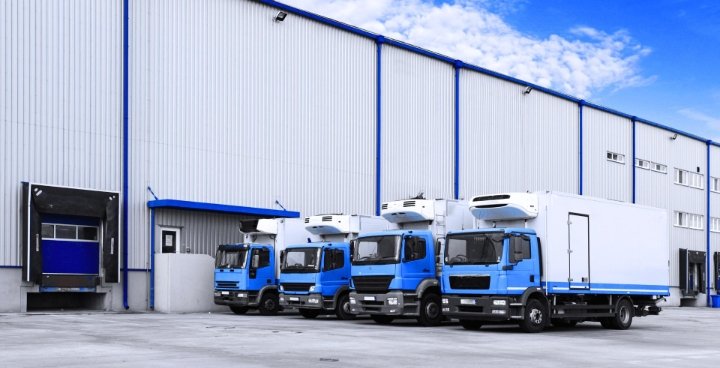
Digital logistics coordination further strengthens efficiency. Refrigerated trucks equipped with GPS tracking, fuel monitoring, temperature sensors, and route optimization software ensure that products remain within required temperature ranges throughout transportation. Operators receive alerts whenever temperature deviations occur, allowing corrective action before product quality declines.
Export competitiveness also improves through digital cold chain infrastructure. International buyers increasingly require complete traceability of food products from farm to destination. Digital records documenting storage temperatures, transportation history, handling conditions, and quality inspections provide confidence to overseas importers. This strengthens India’s reputation in global agricultural markets.
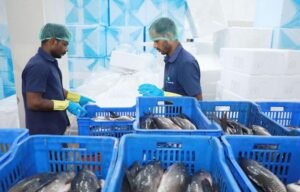
Different agricultural commodities require different storage environments. Apples, bananas, grapes, onions, flowers, seafood, dairy products, meat, and vaccines all require unique combinations of temperature, humidity, ventilation, and handling procedures. Digital control systems automatically maintain optimal conditions for each product category, reducing human error and improving product quality.
Energy management becomes increasingly important because refrigeration consumes substantial electricity. Smart infrastructure continuously analyses compressor efficiency, insulation performance, equipment loading, and electricity consumption. Artificial intelligence recommends operational adjustments that reduce energy costs without compromising storage quality. This supports both profitability and environmental sustainability.
Food processing industries gain better production planning through real-time inventory visibility. Manufacturers can identify available raw materials across multiple storage locations, estimate product freshness, and coordinate procurement more efficiently. Production schedules become more stable while reducing raw material shortages.
Banks and insurance companies also benefit from digital transparency. Verified storage records reduce uncertainty regarding collateral quality for warehouse financing. Insurance providers can evaluate operational risks more accurately because they have access to continuous environmental monitoring rather than relying solely on periodic inspections.
Government agencies can use aggregated information to strengthen agricultural planning. Seasonal storage shortages, regional supply imbalances, transportation bottlenecks, and infrastructure gaps become visible through national dashboards. Investment decisions can therefore target regions where additional cold chain capacity would deliver the greatest economic impact.
Small and medium enterprises stand to gain significantly from shared digital platforms. Instead of investing independently in expensive management software, they can access cloud-based cold chain management services at affordable costs. This democratizes advanced technology while improving competitiveness across the sector.
Climate change further highlights the importance of resilient cold chain infrastructure. Higher ambient temperatures increase refrigeration demands while extreme weather events disrupt transportation networks. Digital monitoring enables faster operational responses, protecting valuable agricultural products during periods of environmental stress.
India possesses the technological capabilities required to build an integrated Smart Cold Chain Digital Infrastructure. The country has strong expertise in software development, cloud computing, telecommunications, artificial intelligence, and digital public infrastructure. Combining these strengths with modern cold chain systems can substantially reduce post-harvest losses, increase farmer incomes, strengthen food security, improve export performance, and create a more efficient agricultural economy capable of supporting long-term national growth.