
Public procurement is one of the most important functions of government. Every year, governments purchase goods, services and infrastructure worth billions of rupees to build roads, hospitals, schools, railway networks, power systems and digital infrastructure. The efficiency and transparency of this process directly influence economic growth, public trust and the quality of public services. As India continues to modernise its governance systems, reforming public procurement through digital platforms and data transparency can become one of the most significant drivers of better governance.
Public procurement extends far beyond purchasing office equipment or construction materials. It supports healthcare, defence, education, agriculture, transportation, information technology and social welfare. Every procurement decision influences public expenditure, industrial development and service delivery. Even small improvements in procurement efficiency can generate substantial savings while improving project outcomes.
Digital procurement platforms have already transformed many government purchasing processes by reducing paperwork and increasing transparency. However, the next generation of procurement reforms should move beyond online tendering towards intelligent procurement ecosystems powered by data analytics, artificial intelligence and real time monitoring.
The first objective should be complete digital integration of procurement activities. Planning, budgeting, tender publication, bid submission, contract management, payment processing and project monitoring should all operate through interoperable digital platforms. This reduces administrative delays while creating a comprehensive record of every stage of the procurement process.
Transparency is one of the greatest advantages of digital procurement. When tender documents, bid evaluations, contract awards and project progress are published through secure online systems, citizens, businesses and oversight agencies gain greater visibility into public spending. Transparent processes strengthen confidence while discouraging irregular practices.
Artificial intelligence can further improve procurement efficiency. AI systems can analyse thousands of procurement records to identify pricing trends, unusual bidding patterns and opportunities for cost savings. Procurement officials receive analytical support that helps them make more informed decisions while ensuring that human oversight remains central to the process.
Predictive analytics also offers significant value. Historical purchasing data allows governments to estimate future demand for medicines, construction materials, educational equipment, transport services and other public requirements. Better forecasting improves budget planning while reducing unnecessary inventory and emergency purchases.
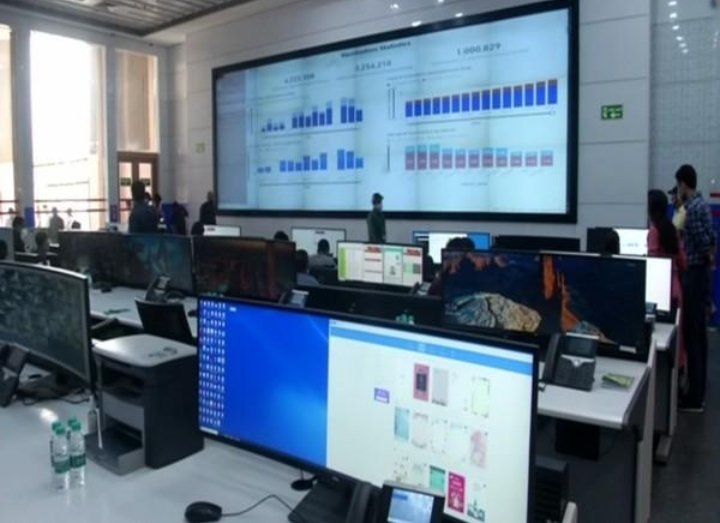
Contract management deserves greater attention. Winning a tender is only the beginning of a project. Governments should monitor implementation continuously through digital dashboards displaying timelines, financial expenditure, milestones and quality indicators. Early identification of delays allows corrective action before projects become significantly affected.
Infrastructure projects particularly benefit from digital monitoring. Roads, bridges, hospitals, schools and water supply systems often involve multiple contractors and extended implementation periods. Real time project management platforms provide administrators with accurate information regarding progress, resource utilisation and budget performance.
Small and medium enterprises should have greater opportunities to participate in public procurement. Simplified digital registration, standardised documentation and transparent tender information reduce barriers for smaller businesses. Expanding MSME participation strengthens domestic industry while encouraging greater competition.
Open procurement data can become a valuable national resource. Researchers, technology companies and policy institutions can analyse procurement trends to identify opportunities for improving efficiency, reducing costs and supporting industrial development. Open data also encourages innovation through the development of analytical tools and procurement management software.
Digital identity systems can strengthen procurement security by verifying the identities of suppliers, contractors and authorised officials. Secure authentication reduces fraud while improving accountability throughout the procurement process.
Blockchain technology may also contribute to procurement transparency in selected applications. Secure digital records provide tamper resistant documentation of contracts, payments and project milestones, increasing confidence among stakeholders while simplifying auditing procedures.
Public procurement should increasingly support innovation. Governments can encourage the adoption of emerging technologies by creating procurement frameworks that reward quality, performance and technological advancement alongside cost competitiveness. Such approaches stimulate domestic innovation while improving public services.
Green procurement represents another important opportunity. Government purchasing decisions can encourage energy efficient equipment, sustainable construction materials, renewable energy technologies and environmentally responsible products. Large scale public procurement creates demand that supports sustainable industrial development.
Capacity building remains essential for successful reform. Procurement officials should receive training in digital platforms, contract management, financial analysis and data interpretation. Professional development improves decision making while ensuring that technological tools are used effectively.
Independent auditing should become more data driven. Digital procurement systems generate extensive information that allows auditors to identify unusual patterns, monitor compliance and evaluate project performance more efficiently. Continuous digital auditing complements traditional financial oversight while improving accountability.
State governments and local bodies should also adopt common procurement standards where appropriate. Interoperable digital platforms improve coordination while reducing duplication of technology investments. Shared procurement systems also simplify participation for businesses operating across multiple states.
Cybersecurity must remain a priority throughout procurement reform. Government procurement platforms contain sensitive financial and commercial information that requires strong protection. Secure cloud infrastructure, encryption, access controls and regular security assessments safeguard both government and business interests.
India’s digital public infrastructure provides an excellent foundation for next generation procurement systems. Digital payments, electronic document platforms, cloud computing and secure identity verification can be integrated into comprehensive procurement ecosystems that improve efficiency from planning through project completion.
International experience demonstrates that transparent procurement systems attract greater investor confidence. Businesses are more willing to participate in government projects when procurement processes are predictable, fair and digitally managed. Increased competition ultimately benefits taxpayers through better quality and improved value for public expenditure.
Public procurement also has an important economic role. Government purchasing decisions influence industrial growth, technological development and employment. Strategic procurement policies can support domestic manufacturing, encourage innovation and strengthen supply chains while maintaining fair competition and high quality standards.
India’s economic ambitions require governance systems that are efficient, transparent and accountable. Reforming public procurement through digital platforms and data transparency will improve public spending, accelerate infrastructure development and strengthen trust between government, businesses and citizens.
The future of procurement will not depend solely on digitising existing paperwork. It will depend on creating intelligent systems where technology, transparency and evidence based decision making work together to deliver better outcomes. By embracing digital procurement as a strategic governance reform, India can improve public service delivery, strengthen economic competitiveness and ensure that every public investment creates maximum value for the nation.