India’s cottage industries produce an extraordinary variety of goods, from handloom textiles and bamboo furniture to spices, pottery, coir products, handicrafts and natural wellness products. While global demand for these products continues to grow, one major challenge prevents many small manufacturers from entering international markets. Most cottage enterprises produce in small quantities, making exports expensive because shipping costs remain high for low volume consignments.
A National Export Consolidation Network offers a practical trade solution to this problem. Instead of every entrepreneur arranging individual export shipments, governments could establish district level export consolidation hubs where products from hundreds of cottage industries are collected, inspected, packed and shipped together. By combining thousands of small orders into large export consignments, India could significantly reduce logistics costs while improving international competitiveness.
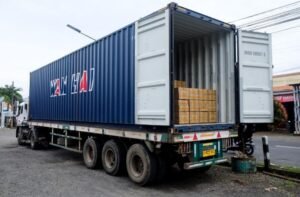
The concept is based on economies of scale. International freight becomes much cheaper when goods are transported in full shipping containers rather than as individual parcels. Large exporters already benefit from this advantage because they produce high volumes. Small rural manufacturers rarely have that opportunity. A consolidation network allows them to enjoy the same cost efficiencies without increasing production individually.
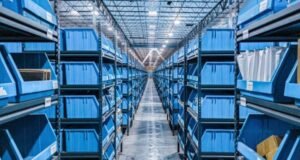
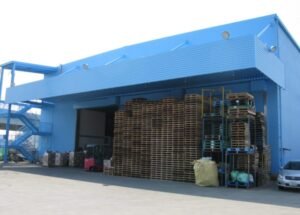
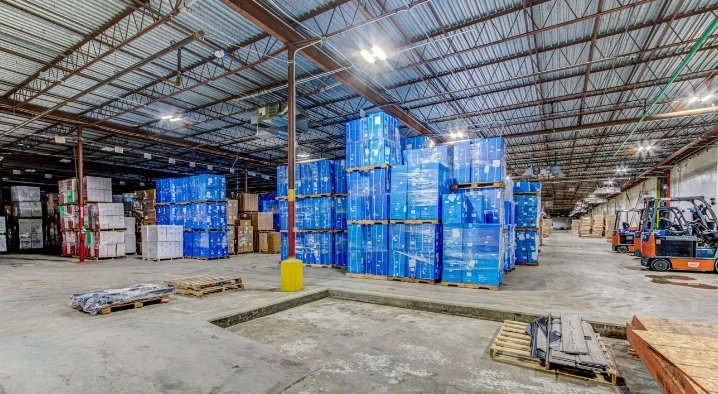
Every district with significant cottage industry activity could establish an Export Consolidation Center. These facilities would receive products from local entrepreneurs, verify quality standards, organize packaging, complete export documentation and prepare shipments for ports and airports. Producers would focus on manufacturing while specialized institutions manage logistics.
Quality inspection would become an important feature of the network. Before products are included in export shipments, trained inspectors would verify packaging, labeling, dimensions and product quality. This reduces the likelihood of rejected consignments while improving India’s reputation among international buyers.
Governments could integrate digital technology throughout the system. Entrepreneurs would register products online, schedule deliveries to consolidation centers and track shipments in real time. Buyers overseas could also monitor shipment progress through integrated logistics platforms, increasing transparency across the supply chain.
The trade advantages extend beyond lower transportation costs. Consolidated exports improve bargaining power with shipping companies, freight forwarders and logistics providers. Governments or export agencies negotiating on behalf of thousands of producers can secure better freight rates than individual entrepreneurs negotiating separately.
Customs procedures also become more efficient. Instead of processing hundreds of individual export declarations, customs authorities handle larger consolidated consignments. This reduces administrative workloads while accelerating export clearance.
Small exporters frequently struggle with international packaging requirements. Consolidation centers could provide standardized packaging services using internationally accepted materials and labeling systems. Professional packaging reduces product damage during transportation while improving presentation in overseas markets.
Another benefit involves market diversification. Entrepreneurs often avoid exporting to smaller international markets because shipment volumes appear too low to justify transportation costs. Consolidated logistics makes exports economically viable even for countries with relatively modest demand, allowing India to expand its global trade footprint.
The governance model could include specialized consolidation centers for different industries. Food products require temperature controlled storage and strict hygiene standards. Handicrafts require protective packaging. Textiles need moisture control. Industry specific facilities improve efficiency while protecting product quality throughout the export process.
Financial institutions would also gain confidence in export businesses using the network. Digital shipment records, verified export documentation and organized logistics reduce commercial risks, encouraging banks to provide export financing at more competitive interest rates.
The network could support direct relationships between international retailers and Indian producer groups. Large overseas buyers often require mixed product shipments containing goods from multiple suppliers. Consolidation centers make such arrangements practical by assembling complete orders before export.
Artificial intelligence could optimize container loading, shipment scheduling and route planning. Software systems would calculate the most efficient use of available space while minimizing transportation costs and delivery times. Data analytics could also predict seasonal export demand, allowing consolidation centers to prepare inventory in advance.
Environmental sustainability represents another advantage. Combining products into larger shipments reduces the number of transportation movements required, lowering fuel consumption and carbon emissions. Governments could further strengthen this benefit by encouraging rail transportation between consolidation centers and major ports whenever possible.
Training programs within the network would educate entrepreneurs about export quality standards, international labeling regulations and packaging requirements. As businesses become more familiar with global expectations, product quality naturally improves across the sector.
Implementation should begin in districts with strong export potential such as handloom clusters, spice producing regions, handicraft centers and food processing hubs. Performance indicators would measure export volume, transportation cost reductions, entrepreneur participation, shipment reliability and customer satisfaction.
State governments could connect district consolidation centers into regional logistics corridors linked directly with seaports, airports and inland container depots. This integrated infrastructure would reduce transportation delays while strengthening coordination across multiple government agencies.
Indian embassies and trade offices abroad could complement the network by identifying new buyers and communicating demand forecasts back to consolidation centers. Production planning would therefore become increasingly responsive to changing international market conditions.
The National Export Consolidation Network represents more than a logistics improvement. It is a trade governance strategy that enables small producers to compete globally despite limited production volumes. By sharing export infrastructure rather than expecting every entrepreneur to build independent logistics systems, governments create a more inclusive export economy.
India’s cottage industries already possess the creativity and craftsmanship needed for international success. Their greatest limitation is often not product quality but logistics efficiency. A well designed Export Consolidation Network would remove this barrier, allowing thousands of rural manufacturers to participate directly in global trade while increasing exports, creating employment and strengthening India’s position as a leading supplier of high value handcrafted products.