India’s cottage industries produce some of the world’s most distinctive products. Handwoven textiles, bamboo furniture, wooden handicrafts, coir products, handmade soaps, pottery, spices, honey and decorative items enjoy growing demand across international markets. However, one of the biggest barriers to export growth is logistics. Most cottage industry products are shipped directly from India after customers place orders. This results in long delivery times, high transportation costs and reduced competitiveness compared with products already stored in overseas markets.
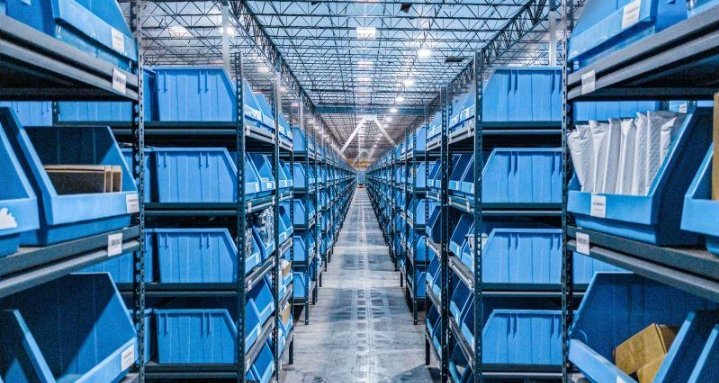
A new trade strategy could address this challenge through the creation of Global Cottage Product Warehouses. These government supported fulfillment centers would be established in major international markets such as the United States, Germany, the United Arab Emirates, Singapore, Australia and Japan. Instead of shipping every order individually from India, products would be transported in bulk to overseas warehouses and delivered locally when customers place orders.
This model has already transformed international trade for many large manufacturing companies. Products stored closer to consumers can be delivered within days instead of weeks. Applying this concept to India’s cottage industries could significantly increase exports while making rural manufacturers more competitive in global markets.
The proposed warehouses would function as shared export infrastructure. Individual artisans and small businesses rarely generate enough export volume to establish their own overseas storage facilities. By sharing warehouse space, logistics services and inventory management systems, hundreds of producers could benefit from infrastructure that would otherwise remain beyond their financial reach.
Governments could establish these warehouses through partnerships with logistics companies, export promotion councils and Indian business organizations operating abroad. Professional warehouse operators would manage inventory, packaging, order fulfillment and local distribution while producers continue manufacturing from their villages in India.
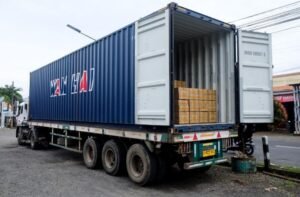
Bulk transportation provides immediate economic advantages. Shipping full containers to overseas warehouses costs substantially less than sending thousands of individual parcels. Lower logistics costs improve profit margins while making Indian products more affordable for international consumers.
Faster delivery becomes another major competitive advantage. Many customers hesitate to purchase handmade products because international shipping often requires several weeks. Products stored inside destination countries could reach customers within a few days, matching the service standards offered by major global retailers.
Inventory planning would become more efficient through digital technology. Artificial intelligence could analyze seasonal demand, purchasing trends and regional preferences to recommend which products should be stocked in each warehouse. Winter products may be prioritized for Europe while decorative home accessories could receive greater emphasis in North America or the Middle East.
The warehouses could also provide value added services such as quality inspections, product labeling, local language packaging and returns management. International buyers would gain greater confidence knowing that customer service is available within their own countries.
Trade diversification represents another important benefit. Many Indian exporters currently depend heavily on a limited number of international markets. Establishing warehouse networks across multiple regions encourages businesses to explore new countries with lower entry barriers. Smaller export destinations become commercially viable because products are already available within regional distribution centers.
District administrations in India could coordinate with these warehouses through integrated digital platforms. Producers would receive information about current inventory levels, sales performance and products requiring replenishment. Manufacturing schedules could therefore respond directly to actual market demand rather than speculation.
The governance model should also support regional branding. Warehouse sections could showcase products from specific Indian states or districts, helping international consumers discover regional craftsmanship. This strengthens geographical identities while promoting tourism and cultural awareness alongside trade.
Financial institutions would also benefit from improved export infrastructure. Products stored in overseas warehouses represent valuable inventory that can support trade financing. Banks may become more willing to provide working capital because inventory movements and sales are digitally monitored in real time.
Small businesses that previously considered exports too risky would gain confidence through shared logistics infrastructure. Instead of navigating customs procedures, international shipping and foreign distribution independently, they would participate in an integrated export ecosystem supported by professional institutions.
Sustainability should become an important feature of this strategy. Bulk shipping generally produces lower carbon emissions per product than individual parcel deliveries. Governments could further encourage environmentally responsible transportation and warehouse operations through renewable energy systems and recyclable packaging materials.
Indian embassies and trade offices abroad could actively support the initiative by identifying retail partnerships, organizing product exhibitions and promoting warehouse services among local importers. Diplomacy would therefore become closely connected with rural economic development.
Implementation should begin with a limited number of strategic markets that already import significant quantities of Indian handicrafts and specialty products. Performance indicators should measure export growth, delivery times, logistics costs, customer satisfaction and producer participation. Successful experiences could then guide expansion into additional countries.
Technology companies may also contribute by developing multilingual inventory management systems connecting rural producers directly with overseas warehouses. Real time information about stock levels, sales trends and consumer preferences would allow entrepreneurs to make informed production decisions.
India possesses extraordinary manufacturing talent within its villages, but global success increasingly depends on efficient trade infrastructure. Global Cottage Product Warehouses represent a trade policy that shifts the focus from simply producing quality goods to ensuring they reach international customers quickly and reliably.
By establishing shared overseas fulfillment centers, India can reduce logistics barriers, improve export competitiveness, strengthen rural incomes and expand the international presence of its cottage industries. Such a strategy recognizes that modern trade is not determined solely by production quality but also by the speed, efficiency and reliability with which products move from village workshops to consumers around the world.