India’s cottage industries are known for craftsmanship, creativity and cultural heritage. From handloom weaving and bamboo products to food processing, pottery and wooden handicrafts, millions of rural entrepreneurs depend on small scale manufacturing for their livelihoods. While these businesses excel in traditional skills, they often struggle because they cannot afford modern machinery that improves productivity, quality and competitiveness.
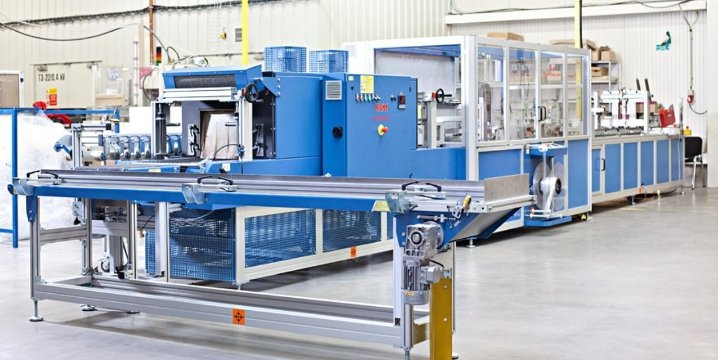
One governance solution is the establishment of Rural Shared Machinery Centers. Instead of expecting every entrepreneur to purchase expensive equipment individually, governments could create community owned facilities where multiple businesses share access to advanced machinery. This model reduces costs, improves production standards and accelerates technological adoption across rural manufacturing.
The concept is similar to public infrastructure. Roads, bridges and electricity networks are shared because they are too expensive for individuals to build independently. Industrial machinery can be treated in the same way. A village or group of villages could operate a professionally managed machinery center serving hundreds of micro enterprises throughout the year.
Many cottage industries require equipment that remains idle for much of the time. Packaging machines, laser engraving systems, food processing equipment, moisture analyzers, digital weighing systems, industrial sewing machines, woodworking tools and quality testing instruments are expensive investments for small producers. Shared ownership allows these machines to operate at much higher utilization rates while lowering costs for every business.
A bamboo crafts entrepreneur, for example, may require laser engraving equipment only a few hours each week. Purchasing such a machine individually may never be financially viable. Through a shared machinery center, the entrepreneur pays only for actual usage while gaining access to technology that would otherwise remain out of reach.
The governance benefits extend beyond equipment sharing. Rural Shared Machinery Centers could also function as technical support hubs where trained operators assist entrepreneurs in using advanced technology. This would reduce barriers for artisans unfamiliar with modern manufacturing systems while ensuring equipment is maintained properly.
District administrations could establish these centers based on local industrial specialization. A handloom cluster may require digital textile design software, computerized embroidery machines and fabric testing equipment. A food processing cluster might prioritize dehydration units, packaging lines, cold storage and laboratory facilities. Machinery investments would therefore reflect local economic strengths.
Public private partnerships offer an effective implementation model. Governments could finance infrastructure while industry associations, cooperatives or producer companies manage daily operations. This approach combines public investment with professional business management, improving efficiency and long term sustainability.
Digital technology could make the centers highly efficient. Entrepreneurs would reserve machinery through mobile applications, select available time slots, estimate processing costs and receive notifications when equipment becomes available. Digital scheduling minimizes idle time while ensuring fair access for all users.
Training should become a central component of every machinery center. New technologies only create value when entrepreneurs know how to use them effectively. Regular workshops could cover equipment operation, preventive maintenance, workplace safety, quality control and production optimization. Young people in rural communities would develop valuable technical skills that improve employment opportunities.
Quality improvement represents one of the greatest advantages. International buyers increasingly expect consistent manufacturing standards. Shared testing laboratories would enable small producers to verify product quality before shipping goods to customers. This reduces returns, strengthens customer confidence and improves export competitiveness.
Environmental sustainability should also be integrated into the governance framework. Modern machinery often consumes less electricity, generates less waste and uses raw materials more efficiently than older equipment. Governments could prioritize energy efficient technologies powered partly by renewable energy systems, reducing both operating costs and environmental impacts.
Financial institutions would likely support businesses using shared machinery centers because access to modern production facilities lowers operational risk. Banks could design specialized loan products for entrepreneurs participating in these centers, encouraging further investment in business expansion.
The centers could also support innovation. Universities, engineering colleges and technical institutes may collaborate by testing new production methods, developing improved machinery and introducing digital manufacturing techniques. Cottage industries would therefore benefit from continuous technological advancement rather than remaining isolated from research institutions.
Women entrepreneurs could become major beneficiaries of this initiative. Many women operate home based businesses with limited access to industrial equipment. Shared facilities provide affordable access to professional machinery without requiring large personal investments. This would help expand women led manufacturing enterprises throughout rural India.
Maintenance and repair services should operate within every center. Small businesses often experience long production delays when machinery breaks down because technical support is unavailable locally. Centralized maintenance teams would ensure equipment remains operational while reducing repair costs through preventive servicing.
The governance model should encourage transparency. Machinery usage charges, maintenance schedules, booking priorities and financial performance should all be publicly available. Local oversight committees including entrepreneurs, panchayat representatives and technical experts could monitor operations and recommend improvements.
Implementation should begin with pilot districts representing different industries and geographic regions. Performance indicators would include machinery utilization rates, production growth, business formation, employment generation, export performance and entrepreneur satisfaction. Successful models could then be expanded nationally with modifications based on local conditions.
The long term vision extends beyond equipment sharing. Rural Shared Machinery Centers could evolve into comprehensive industrial service hubs offering design assistance, product certification, packaging support, logistics coordination, digital marketing and business advisory services. Entrepreneurs would access multiple services through a single institution rather than navigating separate government departments.
India’s cottage industries possess exceptional craftsmanship but often lack the technological resources needed to compete in modern markets. Rural Shared Machinery Centers offer a governance solution that balances traditional skills with contemporary manufacturing capabilities. By sharing expensive equipment instead of duplicating investments, governments can increase productivity, improve product quality, strengthen exports and create more resilient rural economies.
Such a model demonstrates that industrial modernization does not always require large factories or urban expansion. With thoughtful governance and shared infrastructure, even the smallest rural enterprise can gain access to advanced technology while preserving the cultural traditions that make India’s cottage industries globally distinctive.