Kerala can transform its agricultural economy by integrating Industry 4.0 technologies into agro-processing. Instead of treating agriculture and manufacturing as separate economic activities, the state can build an interconnected system in which farmers, cooperatives, processing facilities, logistics providers, technology companies, and retailers operate through shared digital infrastructure.
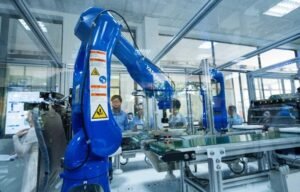
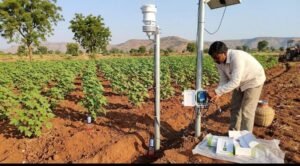
Industry 4.0 refers to the integration of automation, sensors, artificial intelligence, robotics, industrial Internet of Things (IIoT), and real-time data into manufacturing. In agro-processing, these technologies can improve product quality, reduce wastage, increase production efficiency, and connect fragmented agricultural supply chains with high-value markets.
For Kerala, where land is limited and agricultural production is distributed among numerous smallholders, the opportunity is to create technologically advanced processing facilities that serve multiple farmers and businesses rather than requiring every producer to invest independently.
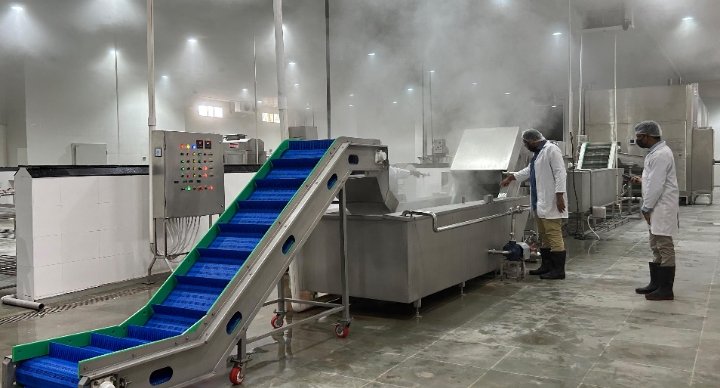
The transformation can begin with a few strategically selected agro-processing clusters. Fruit processing could use automated washing, optical sorting, pulping, concentration, and aseptic packaging. Fisheries could adopt machine vision, temperature sensors, automated grading, intelligent cold storage, and digital batch tracking. Coconut and spice processing could integrate moisture sensors, precision drying, automated grading, contamination detection, and traceable packaging.
These systems would enable processing facilities to respond to actual demand, maintain consistent quality, and reduce losses across production cycles. Digital records could connect raw material procurement to finished products, improving traceability and helping manufacturers meet export-market requirements. Research on Industry 4.0 food supply chains identifies traceability, food waste, and food safety as important applications of these technologies.
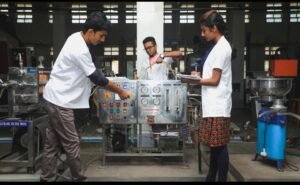
A cooperative or shared-facility model could make the transition accessible to smaller producers. Farmer groups, cooperatives, and private investors could jointly develop processing infrastructure, with members supplying produce and receiving transparent payments while professional operators manage production, maintenance, and sales. Shared testing laboratories, cold storage, packaging systems, and digital marketplaces could reduce the capital burden on individual enterprises.
Kerala already has a foundation on which to build. Its Industrial Policy 2023 identifies Industry 4.0, artificial intelligence, robotics, and agro-processing as development priorities. The state’s Economic Review also highlights the need for modern processing, cold-chain infrastructure, testing facilities, research, and stronger links between producers and markets.
Implementation should begin with a detailed assessment of local agricultural production, seasonal supply, market demand, machinery requirements, energy and water consumption, and project viability. Technology should be introduced where it solves a measurable problem, not simply because it is advanced. Facilities should track indicators such as processing yield, wastage, equipment utilisation, product rejection rates, energy consumption, farmer income, and operating profitability.
The long-term vision is to establish a network of smart agro-processing facilities that connect Kerala’s agricultural resources with modern manufacturing and global markets. By combining digital technology, shared infrastructure, professional management, and responsible investment, Kerala can move beyond selling raw agricultural commodities towards producing high-quality, traceable, value-added goods.
Industry 4.0 can make agro-processing more productive, competitive, and resilient. Its greatest contribution will be to ensure that technology creates tangible value throughout the agricultural economy, from the farmer who supplies the raw material to the enterprise that delivers the finished product to consumers worldwide.