India’s digital infrastructure is increasingly sophisticated, but much of it still operates in an environment shaped by a very old force: the monsoon.
India’s dependence on digital networks means that extreme rainfall is no longer simply a transportation or agricultural problem. Flooding, waterlogging, landslides, humidity and storm damage can affect fibre routes, telecom towers, electrical equipment, data centres and critical network facilities.
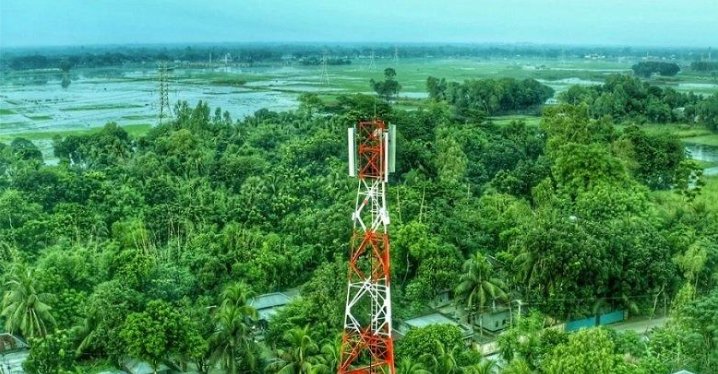
The vulnerability is particularly significant because digital infrastructure is physically distributed across the country. Fibre cables run along roads and railway corridors, telecom equipment is installed on towers and buildings, and network facilities depend on electricity infrastructure that can itself be affected by severe weather.
A damaged fibre cable may appear to be a small physical incident. Its consequences can travel much further. Businesses can lose connectivity, digital payments can be disrupted, logistics systems can experience delays and communication between critical facilities can become more difficult.
The challenge is not simply building stronger infrastructure. It is understanding where vulnerabilities accumulate.
A network may have multiple fibre connections but still depend on the same flood-prone road corridor. A data centre may have backup power but depend on an external electricity system vulnerable to flooding. Two facilities may be geographically separate while sharing the same telecommunications route.
This means resilience has to be designed at the network level rather than at the level of individual buildings or cables.
India’s changing climate makes the issue increasingly important. Infrastructure designed around historical weather patterns may not provide the same level of protection when rainfall becomes more intense or extreme events become more disruptive.
Digital infrastructure planning therefore needs to become closely connected with climate and urban planning.
Fibre routes, telecom facilities, data centres, electricity systems and critical network exchanges need to be assessed against flooding, landslides, heat and other physical risks.
India’s digital economy may exist in cyberspace, but its infrastructure remains exposed to the weather.
The next generation of digital resilience will have to account for both.