Global trade is no longer driven only by manufacturing. Increasingly, countries compete by becoming strategic locations where products are stored, consolidated, customized and redistributed before reaching international markets. India has an opportunity to build an Export Warehousing Economy that transforms the country into a regional distribution hub serving Asia, Africa and the Middle East.
Today, many multinational companies maintain regional distribution centres in locations chosen for efficient logistics rather than manufacturing capability. Products from multiple countries arrive at these facilities, where they are stored, repackaged, labelled, assembled into customer orders and shipped to final destinations. These activities create employment, logistics demand and export revenue without requiring large-scale manufacturing.
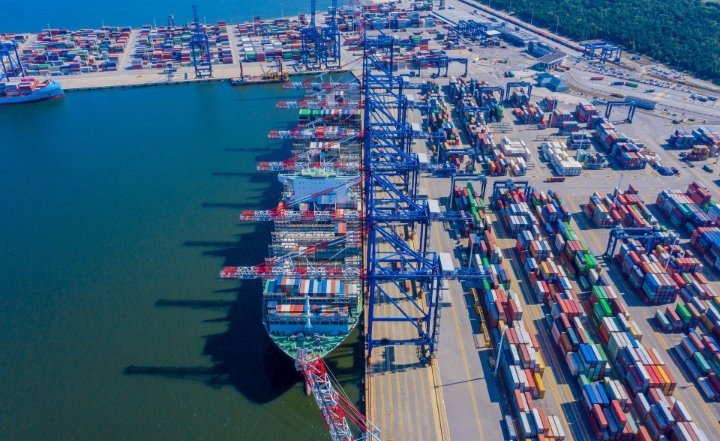
India should establish dedicated Export Warehousing Zones near major ports, airports and multimodal logistics parks. These zones would allow international companies to import products duty-free for storage and redistribution, provided the goods are eventually exported to overseas markets.
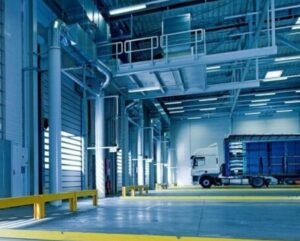
Warehouses should move beyond simple storage. Facilities could offer value-added services including multilingual labelling, product customization, quality inspection, export packaging, software installation for electronics, spare parts assembly and market-specific packaging requirements. These services increase the value of goods before they leave India.
Digital infrastructure would become a key competitive advantage. Every product entering the warehouse could receive a digital inventory record linked to customs documentation, storage conditions, inspection reports and shipment history. Artificial intelligence could optimize storage locations, inventory levels and dispatch schedules according to international demand patterns.
The policy should encourage specialized warehousing ecosystems. Pharmaceutical warehouses would provide temperature-controlled environments. Electronics warehouses would support secure storage and technical inspection. Automotive centres would manage spare parts and component distribution. Agricultural warehouses would integrate cold-chain logistics and quality monitoring.
Customs procedures should be redesigned specifically for export warehousing. Goods intended exclusively for re-export should move through simplified digital clearance processes while maintaining strong security and compliance standards. Faster cargo movement would improve India’s attractiveness as a regional logistics hub.
Indian logistics companies could expand into international inventory management services. Rather than simply transporting goods, they would manage stock forecasting, order fulfilment, regional distribution and supply chain analytics for global manufacturers operating through Indian warehouse networks.
Financial institutions could develop warehouse financing products linked to digital inventory records. Exporters and international businesses would gain access to working capital secured against verified warehouse inventories, improving liquidity while supporting trade expansion.
Research institutions should study warehouse automation, inventory optimization and supply chain resilience. Innovation in logistics technology would strengthen India’s competitiveness while supporting domestic software and industrial automation companies.
The government could encourage renewable energy, automated storage systems and robotics within export warehousing zones. Modern facilities combining automation with sustainable operations would reduce long-term operating costs while meeting international environmental expectations.
Trade agreements should recognize India’s role as a regional redistribution centre. Simplified documentation, harmonized customs standards and digital trade platforms would improve connectivity with neighbouring markets while reducing administrative barriers.
Small Indian manufacturers would also benefit. Shared export warehouses would allow them to maintain inventory closer to international customers without establishing overseas distribution centres. Faster delivery times would improve competitiveness in export markets.
A successful export warehousing ecosystem would increase demand for transportation, packaging, quality inspection, insurance, finance, software development and industrial automation. These supporting industries would generate additional economic activity beyond logistics alone.
India’s geographical position places it between major manufacturing centres in East Asia and rapidly growing markets in Africa, the Gulf and Europe. By combining strategic location with modern warehousing infrastructure and efficient trade policy, the country can evolve into one of the world’s leading export distribution hubs. Instead of viewing warehouses as passive storage facilities, India can transform them into active trade infrastructure that creates value at every stage of the global supply chain.