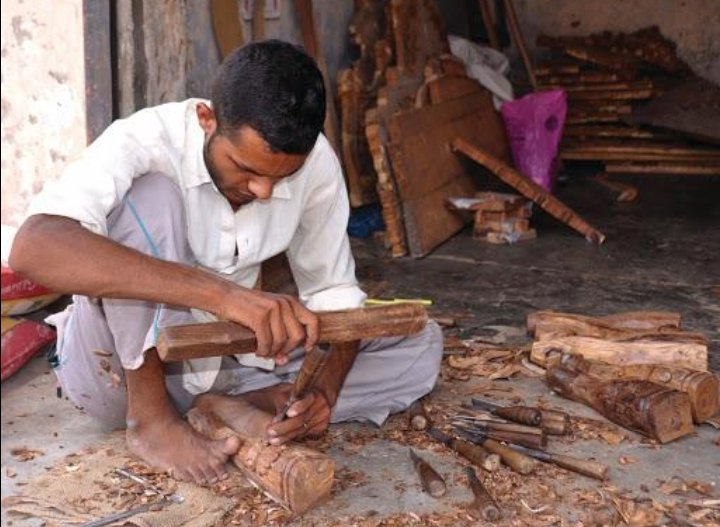
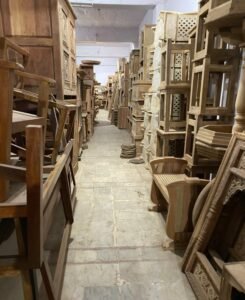
Saharanpur in Uttar Pradesh has long been recognised as India’s leading centre for handcrafted wooden furniture and decorative woodwork. Its artisans produce intricately carved tables, cabinets, screens, wall panels, gift items, and home décor products that reach domestic and international markets. While the craftsmanship has remained strong for generations, the business ecosystem surrounding the industry can be significantly strengthened through modern digital infrastructure.
Digital infrastructure begins with reliable broadband connectivity across artisan clusters, workshops, warehouses, and export units. High-speed internet allows craftsmen to communicate directly with architects, interior designers, wholesalers, retailers, and overseas buyers. Instead of depending entirely on intermediaries, producers gain direct access to a much wider customer base.
A digital product catalogue can transform the marketing of Saharanpur woodcraft. Every product can be photographed professionally and uploaded with dimensions, wood species, carving style, finish, weight, pricing, production time, and stock availability. Buyers across the world can compare collections and place orders without visiting the city physically.
Digital authentication also improves trust. Each handcrafted product can carry a QR code containing information about the artisan, workshop, wood type, manufacturing process, and certification. Such transparency helps distinguish authentic handcrafted products from machine-made imitations while strengthening the reputation of Saharanpur’s woodworking community.
Artificial intelligence can assist manufacturers by analysing global furniture trends, colour preferences, interior design styles, and export demand. Producers can identify emerging market opportunities while continuing to preserve traditional carving techniques that define Saharanpur’s identity.
Cloud-based production management enables better coordination between workshops, finishing units, packaging centres, and exporters. Orders can be monitored in real time, production schedules adjusted efficiently, and delivery commitments tracked digitally. Even small enterprises gain access to modern operational tools.
Digital payment systems reduce financial delays by enabling secure transactions between buyers and manufacturers. Faster payments improve cash flow, allowing workshops to purchase timber, tools, and finishing materials without unnecessary interruptions.
Training also benefits from digital connectivity. Young artisans can access online courses in furniture design, wood preservation, export regulations, digital marketing, and business management while experienced craftsmen can share traditional carving techniques through digital learning platforms.
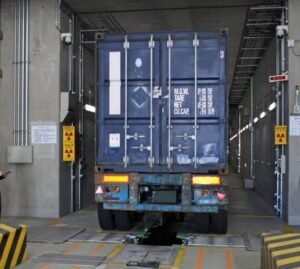
Export logistics become more efficient when documentation, shipping schedules, customs procedures, and shipment tracking are digitally integrated. International buyers increasingly expect transparency and real-time communication throughout the purchasing process.
Government agencies can use digital data to understand production trends, identify infrastructure gaps, monitor exports, and design targeted support programmes for artisan communities. Better information leads to more effective industrial policies.
Sustainability is another area where digital infrastructure creates value. Timber sourcing records, certification documents, and supply chain information can be maintained digitally, helping buyers verify that products originate from legally sourced wood. As environmental standards become increasingly important in global markets, such transparency strengthens the competitiveness of Saharanpur’s exports.
Saharanpur has built its reputation through exceptional craftsmanship passed down across generations. By investing in digital infrastructure that connects artisans, suppliers, designers, exporters, financial institutions, and government agencies, the city can strengthen its woodcraft industry while expanding its presence in international markets. Traditional woodworking skills and modern digital systems together can create a more resilient, transparent, and globally competitive ecosystem for one of India’s finest craft industries.