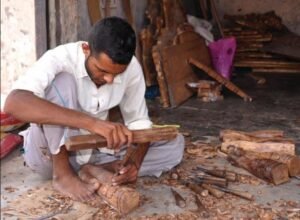
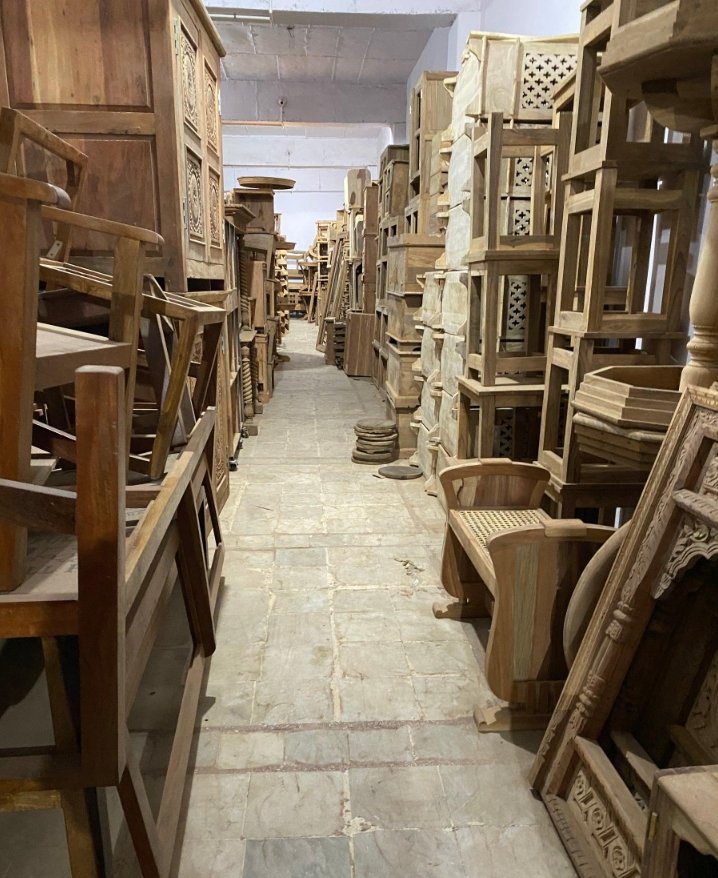
Saharanpur has earned international recognition for its handcrafted wooden furniture and decorative woodwork. Its artisans produce intricately carved products that reflect generations of craftsmanship and cultural heritage. Yet as the industry expands into national and international markets, one challenge continues to grow: proving authenticity, ethical sourcing, and product origin. Blockchain technology offers a practical digital infrastructure that can strengthen trust throughout the Saharanpur woodcraft ecosystem.
A blockchain is a shared digital ledger where information, once recorded, cannot be easily altered. Every participant in the supply chain can verify the same information, creating transparency without depending on a single authority. For Saharanpur’s woodcraft industry, this means every product can carry a permanent digital history from raw material to final customer.
The process can begin with timber procurement. Each batch of wood can be recorded on the blockchain with details such as tree species, supplier, harvesting permit, sustainability certification, and transport records. Workshops purchasing timber gain confidence that the material has been sourced legally and responsibly.
As production progresses, every stage can be added to the blockchain. The workshop, artisan, carving technique, finishing process, polishing, quality inspection, and packaging details become part of an immutable digital record. Every participant contributes verified information that cannot later be manipulated without detection.
Each finished product can carry a QR code linked to its blockchain record. A customer purchasing a carved table in Delhi, Dubai, London, or New York can scan the code and instantly verify the product’s complete manufacturing history. Instead of relying solely on labels or verbal assurances, buyers gain access to independently verifiable information.
Blockchain also helps combat counterfeit products. Machine-made furniture is sometimes marketed as handcrafted work, affecting both consumer trust and artisan incomes. Digital product identities recorded on a blockchain make imitation more difficult because authentic records cannot be duplicated easily.
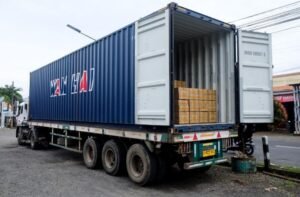
Exporters benefit from greater transparency as well. International buyers increasingly demand documentation related to sustainability, ethical sourcing, and manufacturing standards. Blockchain simplifies compliance by storing certifications, inspection reports, invoices, and shipment records in one secure digital system.
Banks and insurance companies can also use blockchain records to verify transactions, inventory ownership, and shipment histories. This improves access to financing while reducing disputes during insurance claims.
Government agencies responsible for promoting handicrafts can use blockchain data to monitor production, identify genuine artisan clusters, and improve the delivery of financial assistance and export incentives. Reliable digital records strengthen policymaking without increasing paperwork.
The technology can also support geographical identity. Products genuinely manufactured in Saharanpur can be permanently associated with the city’s reputation, protecting its brand from misuse by producers operating elsewhere. As global demand for authentic handmade products continues to grow, regional identity becomes an increasingly valuable economic asset.
Consumers are also becoming more interested in the story behind the products they purchase. Blockchain allows artisans to share not only technical information but also the cultural heritage, traditional carving styles, and family history associated with each workshop. This creates stronger emotional connections between producers and customers.
Blockchain will never replace the craftsmanship that defines Saharanpur. The artistry will always remain in the hands of skilled woodworkers. What blockchain provides is trust, transparency, and credibility. By combining traditional woodworking with modern digital infrastructure, Saharanpur can strengthen its position in global markets, protect its artisans, and build a more resilient and internationally respected woodcraft industry.