India’s automotive industry is widely recognized for its ability to manufacture high-quality vehicles and components at competitive costs. While exports have traditionally relied on large distributors, original equipment manufacturers and international dealerships, a new opportunity is emerging through cross-border e-commerce. Digital marketplaces can enable Indian automotive component manufacturers to reach repair shops, garages, retailers and individual consumers around the world.
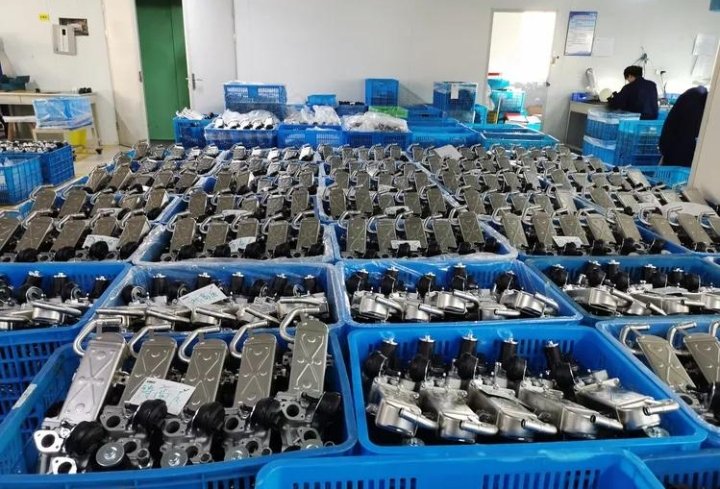
The global aftermarket for automotive components is enormous. Every vehicle requires periodic replacement of filters, brake pads, bearings, electrical components, suspension parts, lighting systems and hundreds of other products. As vehicle ownership continues to grow worldwide, demand for replacement components is increasing across both developed and emerging markets.
Traditionally, exporting automotive components required establishing overseas distributors or participating in international trade fairs. These methods remain valuable but often involve high costs and long sales cycles. Cross-border e-commerce introduces an additional channel where manufacturers can market products directly to international buyers.
Digital trade platforms allow small and medium-sized manufacturers to showcase products globally without maintaining physical offices abroad. Buyers can compare specifications, certifications, prices and delivery options before placing orders. This lowers market entry barriers and increases visibility for Indian manufacturers.
For automotive component exporters, digital product information becomes critically important. Every listing should include technical specifications, compatibility details, certification records, warranty information and installation guidance. Accurate digital catalogues reduce customer uncertainty while minimizing product returns.
Artificial intelligence can improve product discovery by matching buyer requirements with compatible automotive components. Instead of manually searching through thousands of products, repair businesses can receive recommendations based on vehicle models, manufacturing years and technical requirements.
Inventory management also benefits from digital integration. Manufacturers can synchronize production systems with online sales channels, ensuring that product availability remains accurate across multiple international marketplaces. Automated inventory updates reduce overselling and improve customer satisfaction.
Efficient logistics determine the success of cross-border e-commerce. Automotive components vary significantly in size and weight, from small electronic sensors to heavy engine parts. Smart logistics systems can recommend the most economical shipping methods based on product characteristics, destination markets and delivery expectations.
Customs documentation becomes especially important for high-volume international shipments. Automated generation of export invoices, harmonized tariff classifications and shipping declarations reduces administrative effort while improving compliance with international regulations.
Quality assurance remains central to international success. Buyers purchasing automotive components online expect products that meet global standards. Digital certification systems can allow customers to verify manufacturing quality, testing records and compliance with international regulations before completing purchases.
Government agencies can strengthen this ecosystem by simplifying export procedures for small-value international shipments. Streamlined customs processes, faster export clearances and digital documentation encourage more manufacturers to participate in global e-commerce.
Trade promotion organisations can assist businesses by providing training on digital marketing, international customer service, export regulations and online marketplace management. Many manufacturers possess outstanding engineering capabilities but require additional expertise in digital commerce.
Payment infrastructure also deserves attention. Secure international payment systems supporting multiple currencies increase buyer confidence while reducing financial risks for exporters. Integration between payment platforms and export documentation further simplifies business operations.
Data analytics enables manufacturers to understand international demand more effectively. Sales trends, customer reviews, regional preferences and seasonal demand patterns help companies refine product offerings and identify promising export markets.
The rise of electric vehicles creates additional opportunities within digital trade. Demand for charging accessories, battery management components, thermal systems and specialised electronic parts is expected to increase as electric mobility expands globally. Indian manufacturers can establish early digital market presence in these emerging product categories.
Brand building becomes increasingly important in online trade environments. Consistent product quality, responsive customer support and reliable delivery performance contribute to positive reviews and repeat purchases. Strong digital reputations can become valuable competitive assets over time.
Cybersecurity must also remain a priority. Exporters handling customer information, payment transactions and commercial data require secure digital infrastructure to protect business operations and maintain customer trust.
Universities and technical institutions can contribute by developing digital trade skills alongside traditional engineering education. Future automotive professionals increasingly require knowledge of international commerce, digital marketing and supply chain analytics in addition to manufacturing expertise.
India already enjoys a strong reputation as a producer of automotive components. Cross-border e-commerce offers an opportunity to extend that reputation beyond large industrial buyers to millions of businesses and consumers worldwide. By combining manufacturing excellence with digital trade capabilities, Indian companies can diversify export channels while expanding their global customer base.
The future of automotive exports will not depend solely on container-sized shipments between multinational corporations. Increasingly, growth will also come from digitally connected businesses serving customers across borders through intelligent online platforms. Building this capability today can help India’s automotive component industry capture new opportunities in the rapidly evolving global trade landscape.